
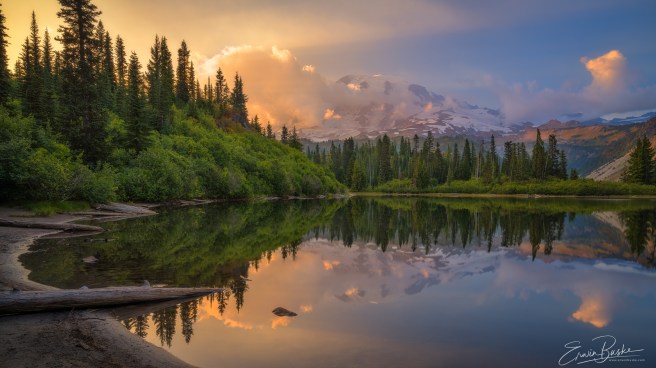
For much of my photographic journey, I have been drawn to those fleeting moments when light, weather, color, and atmosphere transform the familiar into something more mysterious and expressive. Only gradually did I recognize how much this way of seeing connects with my lifelong appreciation of Impressionist painting. In this essay, I explore six lessons from the Impressionists that have helped shape my photographic vision.
Introduction — From Recording to Seeing
A camera is extraordinarily good at recording what is there. But recording a landscape and expressing our experience of that landscape are not necessarily the same thing. Drawing inspiration from the Impressionists, I have become increasingly interested not simply in rendering mountains, forests, flowers, water, and clouds accurately, but in creating images that communicate something of what it felt like to be there. For me, true seeing includes light, atmosphere, color, mood, and the fleeting nature of experience itself — in other words, my impression. My goal is not to make photographs look like Impressionist paintings. It is to draw upon lessons from the Impressionists to help me see more deeply and create photographs that remain unmistakably photographic while also carrying something of my emotional experience of the landscape.
Learning from the Impressionists
My Early Influences
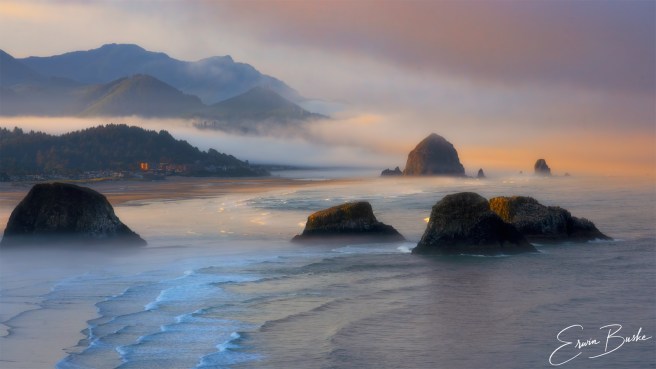
My first serious forays into photography began long ago, shortly after college. Even then, I was drawn to experiences in nature that felt more emotional than descriptive — moments I wanted not merely to document, but somehow to share. On backpacking trips, I often encountered landscapes that already carried what I now recognize as an Impressionist sensibility: fog moving through trees, light filtering through clouds, reflections softening the world, or color shifting at the edges of the day. In such conditions, detail was often obscured, colors bled gently into one another, and the landscape seemed less literal and more suggestive. These were the moments that stayed with me. Although firmly tethered to my experience in nature, they also seemed to possess a dreamlike, mystical quality — something almost transcendental. That impulse to move beyond documentation toward something more enduring later became central to what I described as transcendental nature photography.

Only later did I begin to understand how closely those experiences connected with my early exposure to Impressionist painting. Monet’s Water Lilies, with its mauve color, reflection, and softened reality, made a particularly strong impression on me. Renoir’s Luncheon of the Boating Party affected me in a different way — through warmth, light, people, color, and the feeling of a particular moment being lived. What mattered to me in both was not simply the subject, but the visual and emotional experience of the scene. These images were clearly of this world, but also transformative. Looking at them, I felt I was participating in something of how these Impressionist painters experienced the scene — not only what they saw, but what they felt. That idea has stayed with me and has gradually found its way into how I approach landscapes, nature, architecture, and even people with a camera.
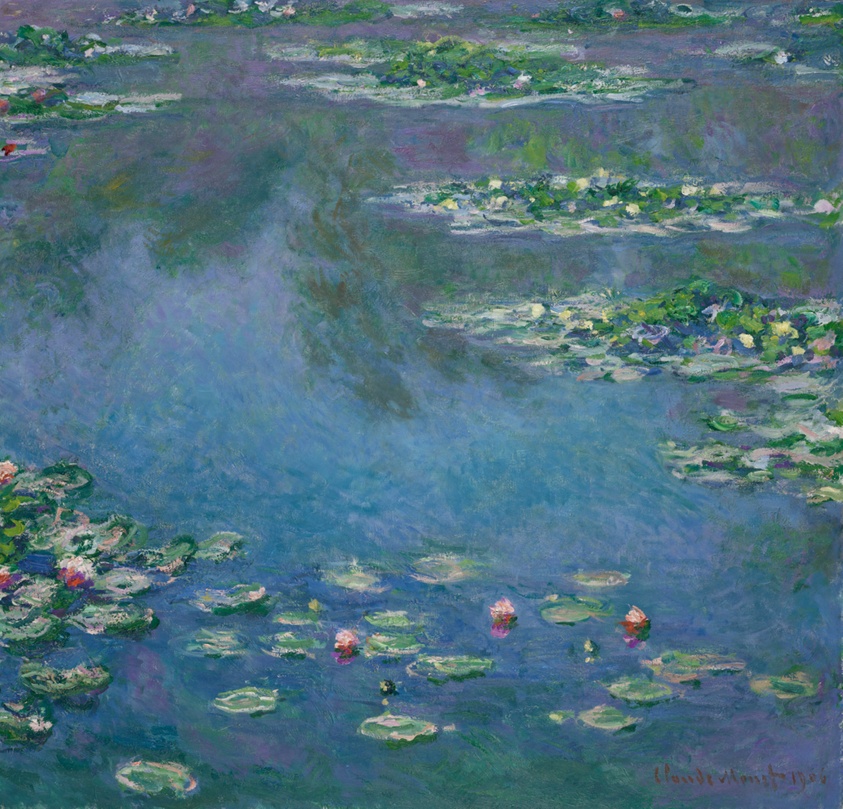

Monet’s Water Lilies offers a quiet, almost dreamlike world of mauve color, reflection, and softened reality, while Renoir’s Luncheon of the Boating Party is filled with warmth, light, people, color, and the sense of a fleeting moment being lived. Long before I had language for ideas such as atmosphere, relational color, or suggestion rather than description, I responded to these paintings emotionally. In retrospect, they helped prepare the ground for the way I would eventually learn to see photographically.
Four Influential Impressionist Painters
Four Impressionist painters have been especially influential in shaping how I think about landscape and photography: Claude Monet, Alfred Sisley, Camille Pissarro, and Pierre-Auguste Renoir. All were active in the late nineteenth century, with Monet and Renoir continuing their work into the early twentieth century. I do not look to them as models to imitate, but as different lenses through which to think about light, atmosphere, structure, and color.
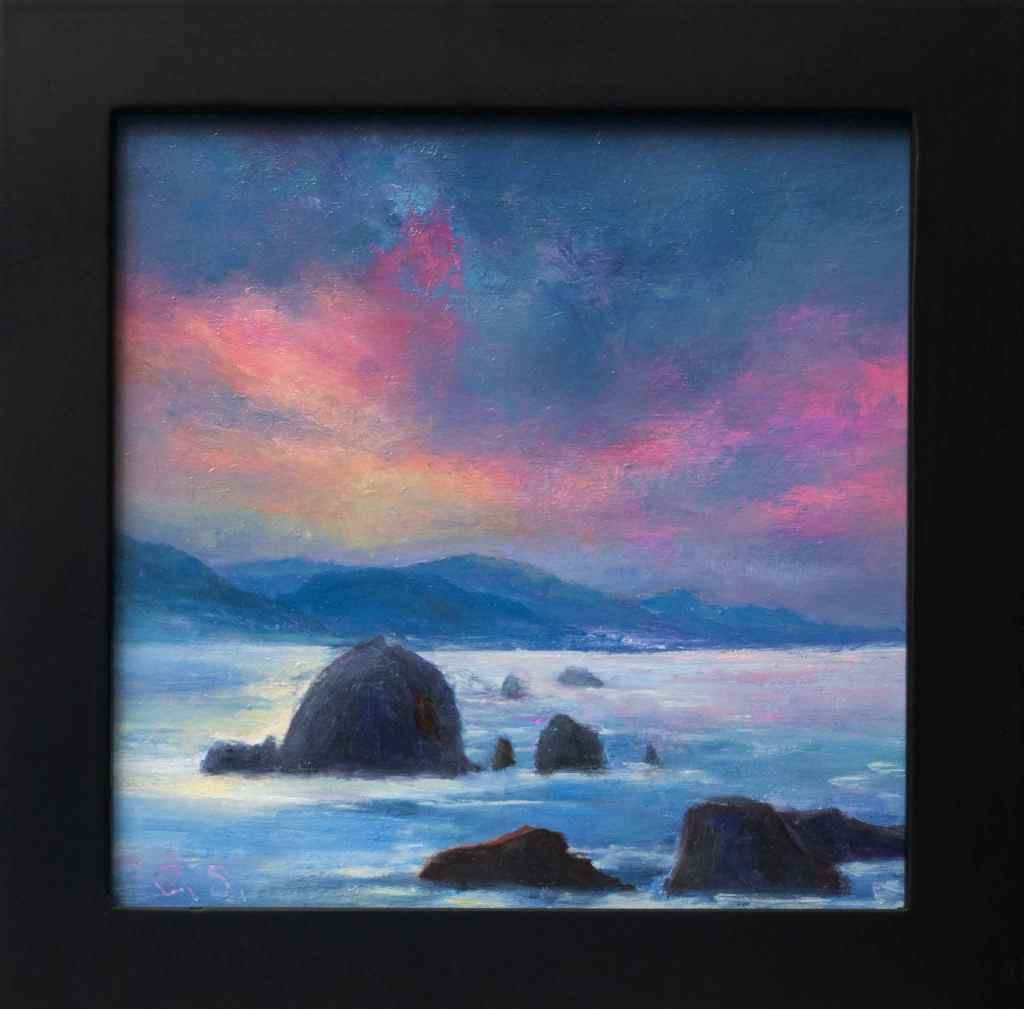
Many of the Impressionists embraced en plein air painting, working outdoors and on location where they could respond directly to changing light, weather, and atmosphere. Their desire to capture these fleeting moments has an intriguing parallel with the rise of photography during the nineteenth century. Photography offered a new way of freezing an instant in time and helped introduce new ways of seeing and composing the world. In their own medium, the Impressionists likewise sought to capture something transient—the sensation of a particular moment before the light, atmosphere, or scene changed. The image below, First Light over Cannon Beach, was painted by Cindy Sun, a colleague of mine, using oils in the pleinair tradition. You can see more of her artwork, both painting and photography at cindysunstudio.com. This image now resides in my home and it is a daily reminder to me how both painting and photography can embrace on location the fleeting moment.
Monet — Light and the Fleeting Moment
Monet’s work taught me perhaps more than any other painter about the primacy of light and the fleeting nature of experience. His repeated studies of familiar subjects under changing conditions demonstrate that the subject itself can become secondary to what light, season, atmosphere, and color are doing to it. His paintings of stacks of wheat are a particularly clear example: the forms remain, but the experience changes with each shift in illumination and weather. Shadows progress from being softer and more subtle to being more pronounced. Colors also range from more muted to more vivid depending on the angle of the light source and atmospheric conditions.
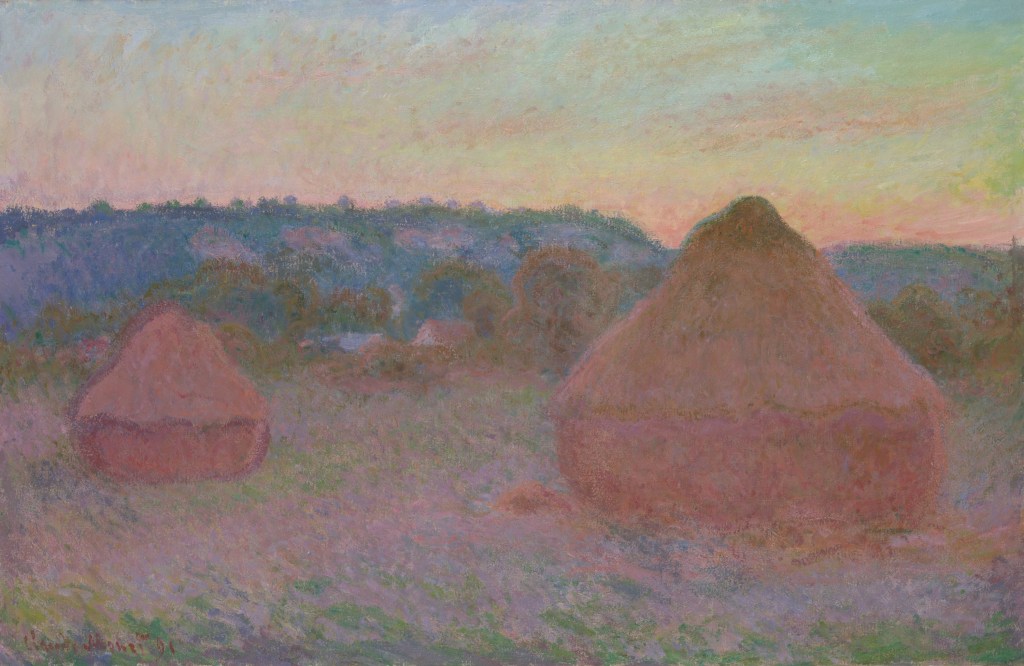

That idea connects naturally with my own tendency to return to familiar places and wait for conditions to change — for fog to move, clouds to part, light to strike a mountain, reflections to appear, or a landscape to briefly reveal itself. When mist is moving through a scene or the sun is rising or setting, I will often make multiple images because each interval can carry a distinctly different feeling. I may return to the same place many times, but I am never really photographing the same landscape twice.
Sisley — Atmosphere and Landscape
Sisley’s understated landscapes reinforce for me how central weather, sky, snow, water, atmosphere, and changing light can be to an image. In his work, atmosphere creates depth, shadows carry color, and reflections soften and transform physical reality. I am especially drawn to the quietness of his paintings because that restraint resonates with some of my own quieter photographs.
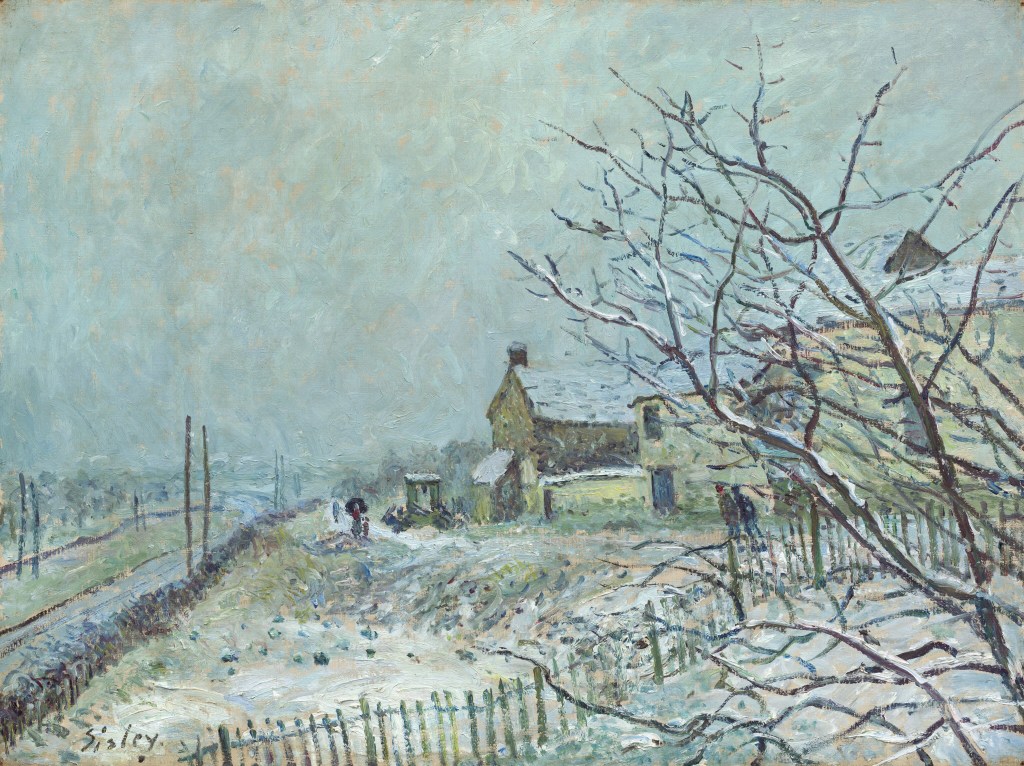
In First Snow at Veneux-Nadon (1878), the snow is not simply white. Cool blue-violet tones move through the shadows, allowing the sky and atmosphere to influence the entire scene. The result feels less like a catalog of objects and more like an experience of winter light.
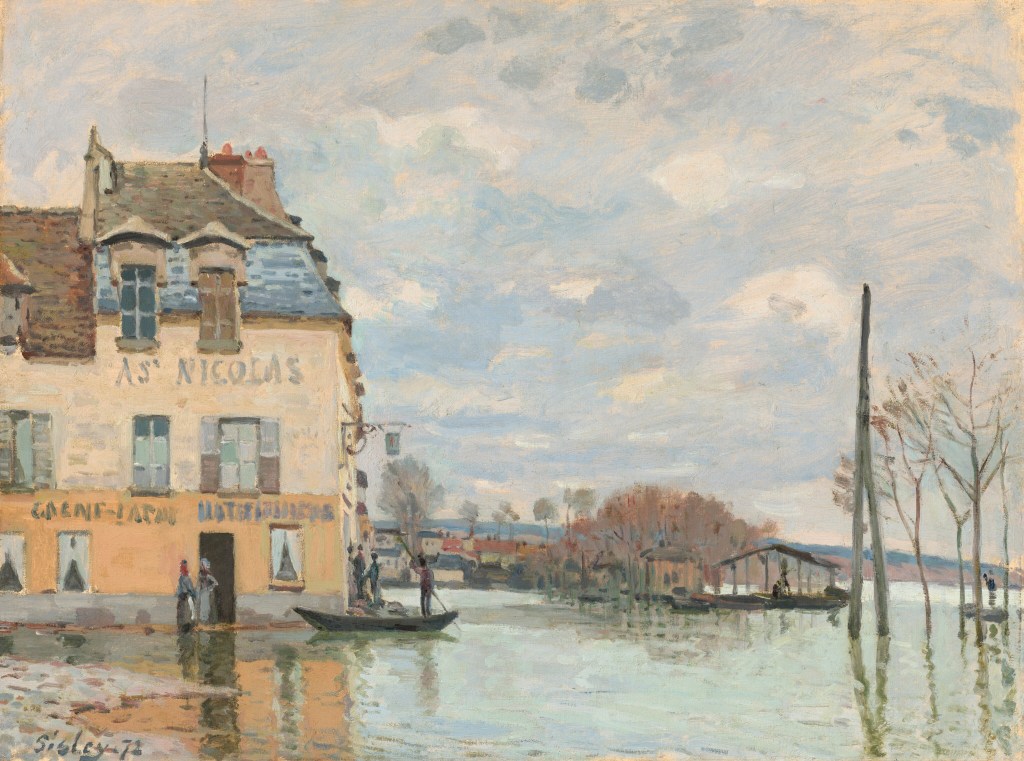
In Flood at Port-Marly (1872) NGA Public Domain
In Flood at Port-Marly (1872), reflections, subdued color, changing weather, water, and atmosphere all become part of the interpretation. The subject is still recognizable, but the conditions through which we see it are just as important as the subject itself.
Pissarro — Structure Beneath Atmosphere
Pissarro reminds me that Impressionism is not simply about softness. Beneath the sensation of light and atmosphere there is still composition, structure, rhythm, and visual organization. This is especially important to me as a photographer. Even when I lean toward a more painterly or suggestive interpretation, my photographs remain anchored in what the camera recorded and in the compositional structure of the scene. I am not trying to simulate painting. I am using lessons from painting to help communicate my experience of place more fully.
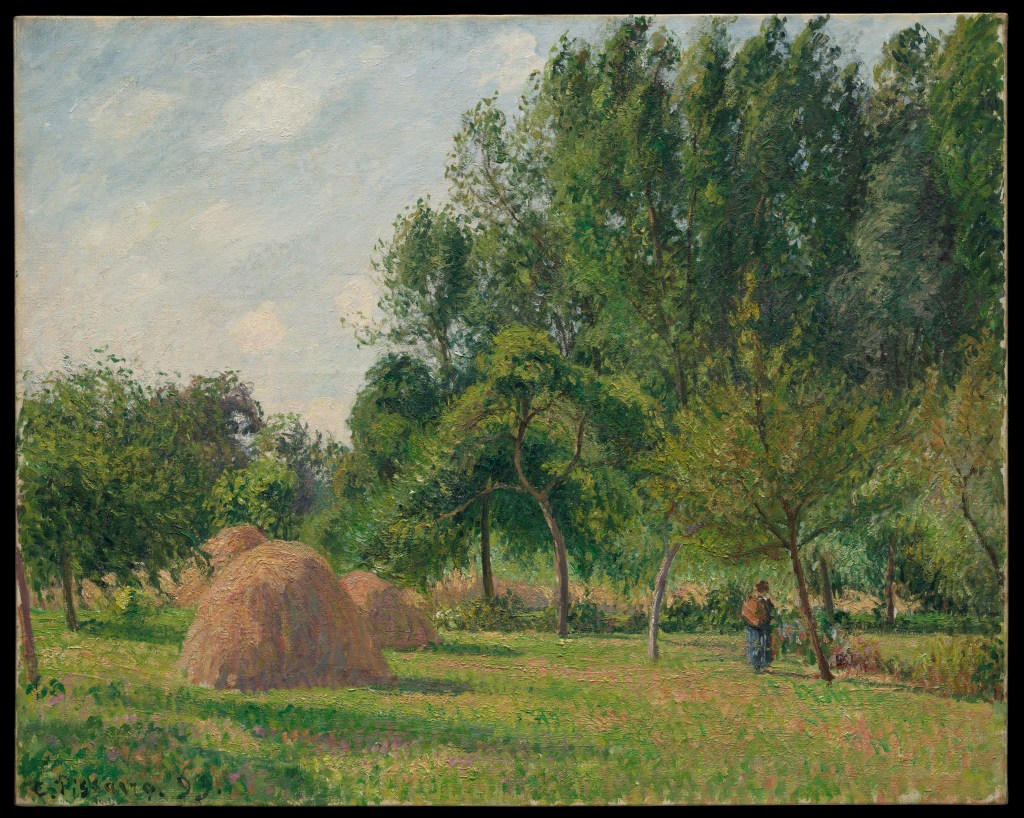
Haystacks, Morning, Eragny (1899) has a solid underlying structure even as light and atmosphere soften the scene. Like Monet, Pissarro returned to the haystacks under changing conditions, exploring how different illumination could transform a familiar subject.
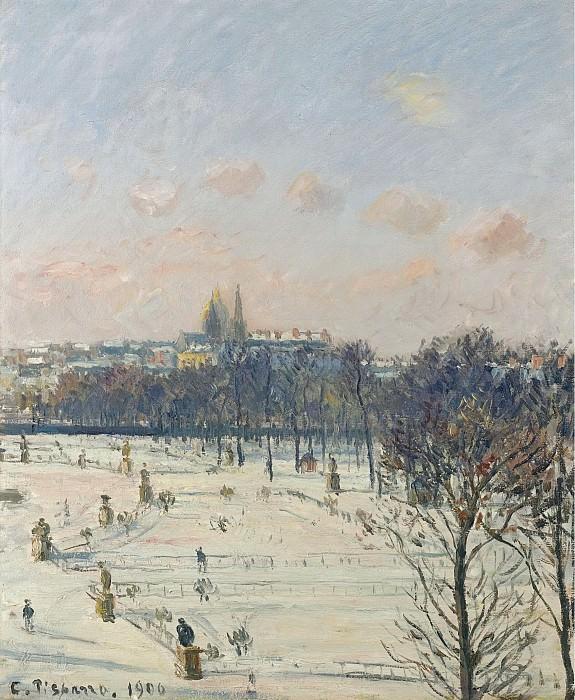
Pissarro also painted the Garden of the Tuileries multiple times from the same vantage point while observing changes in light, season, weather, and time of day. Notice the repetition of forms — trees and people leading to architectural elements, along with the pattern of clouds in the sky — all bringing a sense of rhythm and structure to the scene. Together these works reinforce another lesson I value: an extraordinary photograph does not always require an extraordinary subject. Changing conditions can make a familiar place extraordinary. In my own photography, I feel a special sense of accomplishment when light, atmosphere, color, or perspective reveals beauty in a scene that might otherwise be overlooked.
Renoir — Color and Luminosity
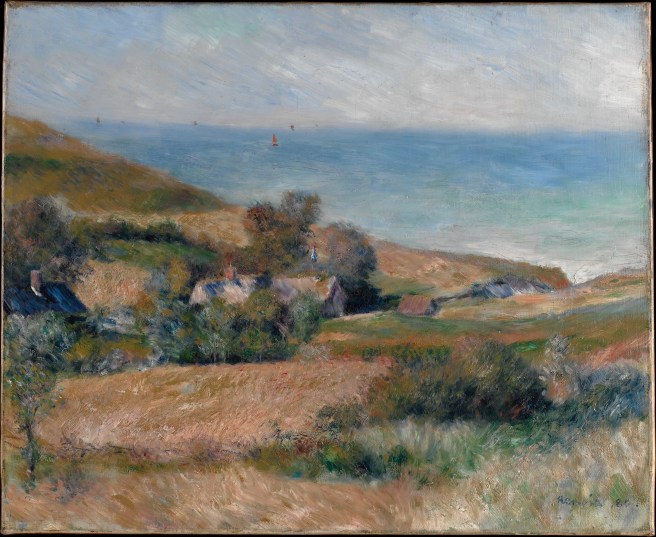
Renoir’s paintings remind me that shadows are not simply dark or black. Color persists throughout the scene, including in the deepest values. That idea has long influenced the way I process photographs. Rather than forcing the black point to true black or neutralizing every naturally occurring color cast, I often lift the beginning of the black curve slightly so that color can remain present in the shadows. In View of the Seacoast near Wargemont, warm and cool tones continue into the darker areas of the painting, while the entire scene retains a sense of luminosity. Renoir also worked quickly outdoors to respond to changing light, reinforcing a theme shared by all four painters: the importance of being receptive to a moment that will not last.
My Approach — Impressionism Without Imitation
Let nature do most of the work. My approach to Impressionism in photography begins with scenes that already contain qualities that make the landscape less literal and more suggestive. I am not trying to make photographs look like paintings. Instead, I look for conditions that carry mystery, emotion, and a sense that not everything is being revealed at once. Fog, mist, reflected light, moving clouds, snow, rain, backlight, twilight, atmospheric haze, and changing weather can simplify and transform a scene before I ever touch a processing slider. These conditions soften detail, allow colors to mingle, and create a visual game of hide and seek, simultaneously revealing and concealing. When they are absent, I am perfectly comfortable taking a more traditional photographic approach. I do not try to force every landscape into an Impressionist mold. I explored this idea more directly in Mystery: The Holy Grail of Nature Photography.
- Fog removes detail.
- Reflections dissolve solidity.
- Backlight simplifies form.
- Snow reduces the palette.
- Atmospheric perspective separates layers.
- Moving clouds conceal and reveal.
- Golden-hour light alters ordinary color relationships.
- In other words, the landscape becomes the first artist.
Processing in service of the experience. Because I begin with scenes that already carry many of these qualities, I do not need to manipulate them heavily to create a painterly feeling. My processing is intended to preserve the experience of the scene, including my emotional response at the time. When appropriate, I may reduce contrast, clarity, and texture; slightly lift the blacks; control microcontrast; or use a restrained Orton effect. These adjustments are not meant to manufacture an Impressionist appearance. They are meant to keep the inherent precision of modern digital photography from overwhelming the qualities I experienced in the field. I do not want processing to announce itself. I want it to gently move the photograph away from clinical description and toward lived experience, while preserving recognizable detail, believable light, optical depth, and the sense that this was a real moment before the camera.
Six Lessons from Impressionism
Lesson 1 — Light Is the Subject
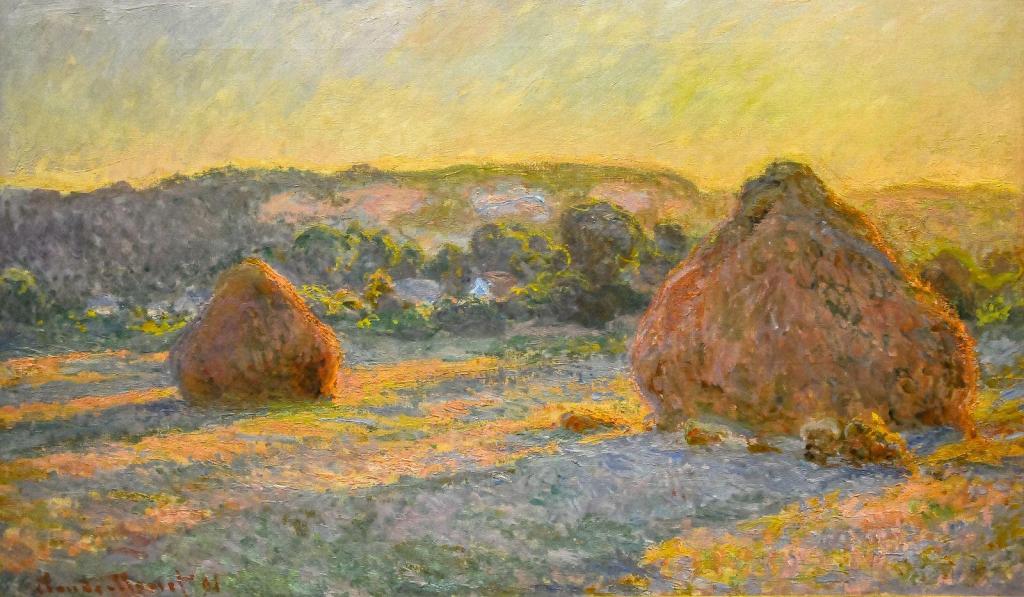
Landscape photographers are often told that an image should have a definite subject. But what if the mountain, tree, field, or flower is not always the true subject? For the Impressionists, what light was doing to the landscape was often more important than the object being illuminated. Monet’s Stacks of Wheat offers a clear example: the forms are simple, while the changing light becomes the real event of the painting.
I see the same possibility in my own work. In Palouse Meditation, the hills become bands of illumination and shadow, while the lone tree serves almost as visual punctuation. The subject is no longer simply farmland. Light creates the structure, separating one rolling form from the next and turning a familiar agricultural landscape into an arrangement of luminous shapes. Without that low-angle evening light, the image would not have the same visual power.
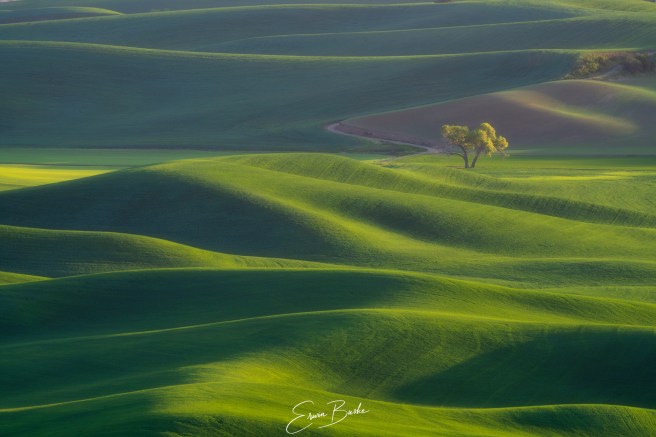
Palouse Meditation
In the next image, Falling into a Beautiful Dream, light acts very differently. Instead of simplifying the landscape into shape and shadow, it makes the entire scene glow. Flowers, haze, hills, water, and atmosphere all take on their character from the setting sun. If I had to name the main subject of this photograph, it would not be the flowers or even the sun itself, but the effect of sunlight moving through the entire landscape.
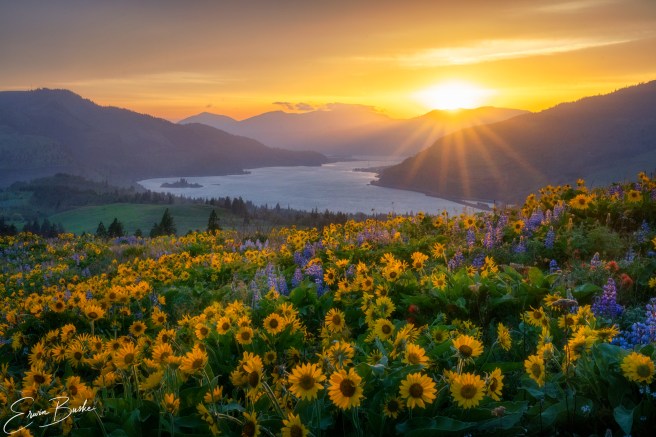
In the field, one of my guiding habits is to follow the light first and then ask where it might lead me compositionally. If I were compelled to rank the elements in the visual hierarchy of many of my landscapes, light would very often come first. That is one of the most important lessons I learned from the Impressionists.
Lesson 2 — Color Can Describe Experience
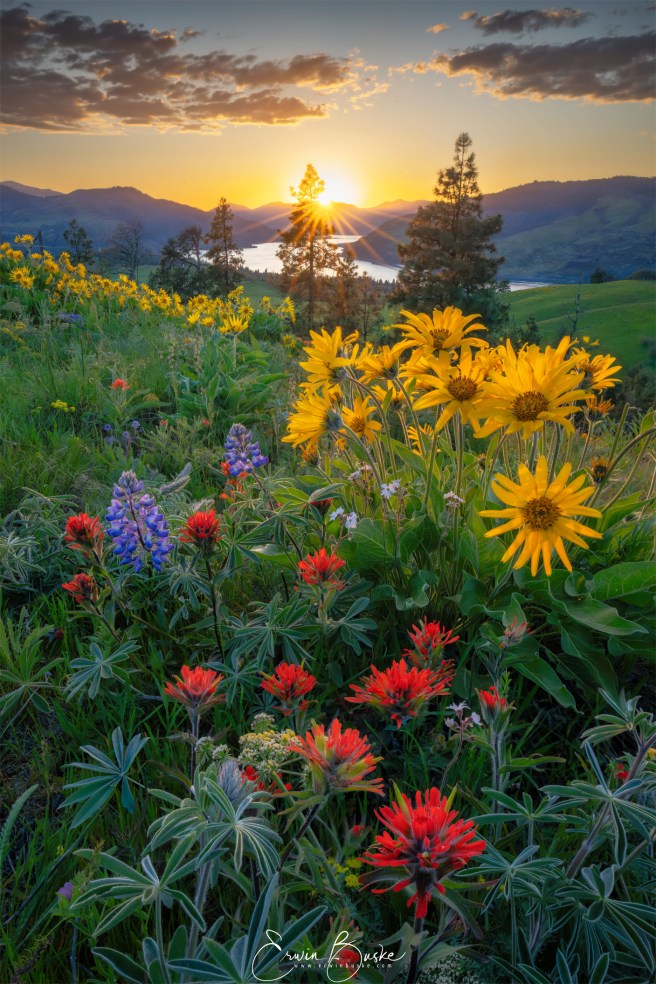
I have never shied away from color when color was genuinely present in the scene. The Impressionists helped me understand that color is relational rather than absolute, and that relationships among colors can communicate experience. In Columbia Gorge Mountain Meadow Bouquet, rather than looking first at balsamroot, lupine, and paintbrush as individual objects, I invite the viewer to step back and notice yellow, blue-violet, red, and green interacting across the frame. The flowers become almost like brushstrokes of color. The image functions as a field of color before it functions as a literal description of a meadow, and that color relationship is central to how I remember the experience.
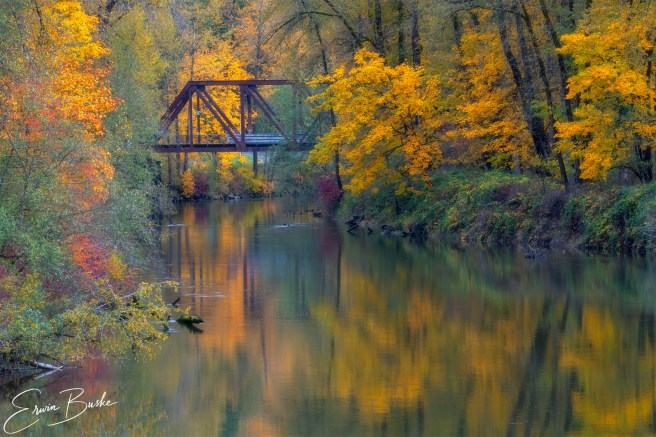
In The Bridges of Snoqualmie Valley, color works more quietly. Autumn foliage is echoed and transformed through reflection. The scene is not simply a collection of yellow leaves and green trees; it is built from gold, orange, green, red, and their softened counterparts in the water. The reflected colors are less literal than the objects above them, yet they are essential to the emotional character of the photograph.
Monet explored this transformation of color and reflection more vividly and with a greater degree of artistic license in Waterloo Bridge, London, at Sunset (1904).
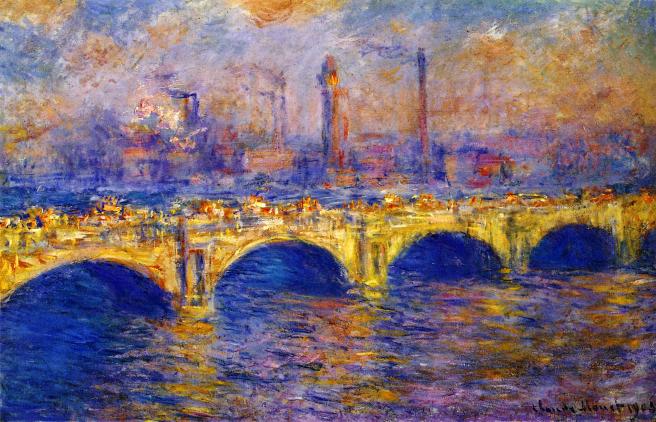
Waterloo Bridge, London, at Sunset (1904). NGA Public Domain
The bridge remains recognizable, but its reflection is not a literal duplicate. Blues, greens, oranges, and pinks merge in the Thames until the reflected world becomes softer and more about color and sensation than description. Monet pushes this far beyond what I do photographically, but the underlying lesson resonates with me: observed color can describe an experience without severing its connection to reality. My goal is not to mimic Monet, but to let that way of seeing inform photographs that still maintain a recognizable relationship to what the camera recorded.
Lesson 3 — Atmosphere Creates Depth
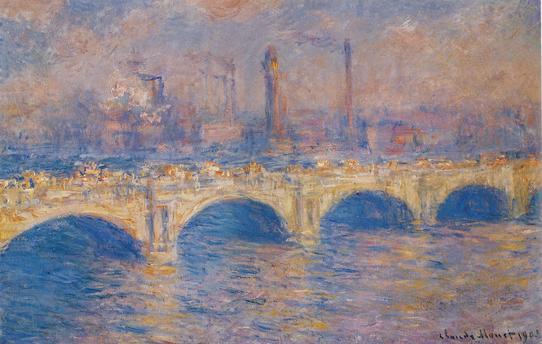
The Impressionists frequently used atmosphere not simply as weather but as a structural element. It is worth returning to Waterloo Bridge here because the contrast between Monet’s interpretations makes an important point: the subject has not changed, but the experience has. In the more muted Waterloo Bridge at Dusk, the bridge seems to materialize out of turquoise-green haze. Forms in the water are softened almost to abstraction, while distant structures emerge as faint vertical marks. The atmosphere does not merely obscure the scene; it organizes how we move through it, separating what is near from what is far and creating depth through varying degrees of visibility. Compared with the more vivid sunset version, the muted palette strengthens the sense of distance, while the more saturated colors of the earlier painting create a greater sense of presence. I use both approaches in my own photographs — sometimes even within the same image — depending on the original scene and the feeling or mood I want to convey.
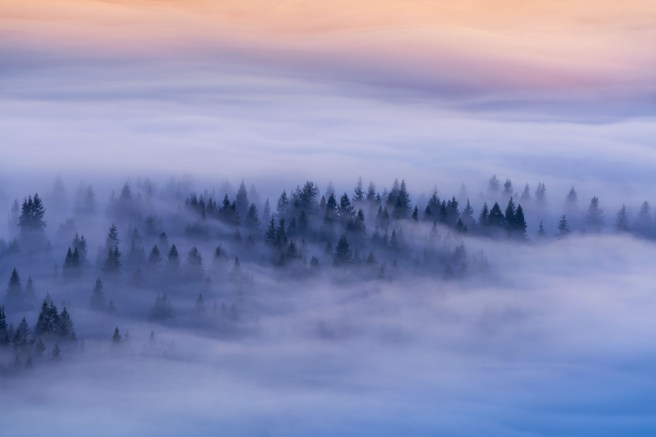
Atmosphere can both conceal and reveal, and that paradox is one of the things I find most compelling about photographing fog and mist. In Forest Carpet of Clouds, fog removes information and, in doing so, makes the pattern of the forest, the movement of the clouds, and the tonal relationships more apparent. Distracting detail disappears. Shape, rhythm, and depth become stronger. In this photograph, atmosphere is not simply present in the scene — atmosphere is the subject. That fascination with fog as a creative force also shaped my earlier essay Forests in the Mists: Windows into the Active Imagination.
The next image, Middle Fork Mystical Morning, uses atmosphere differently. Here the distant mountain becomes almost ghostlike, while the nearer foliage retains more form, color, and definition. That progression from relatively distinct foreground elements to increasingly veiled distance creates spatial depth and also leaves room for the viewer’s imagination.
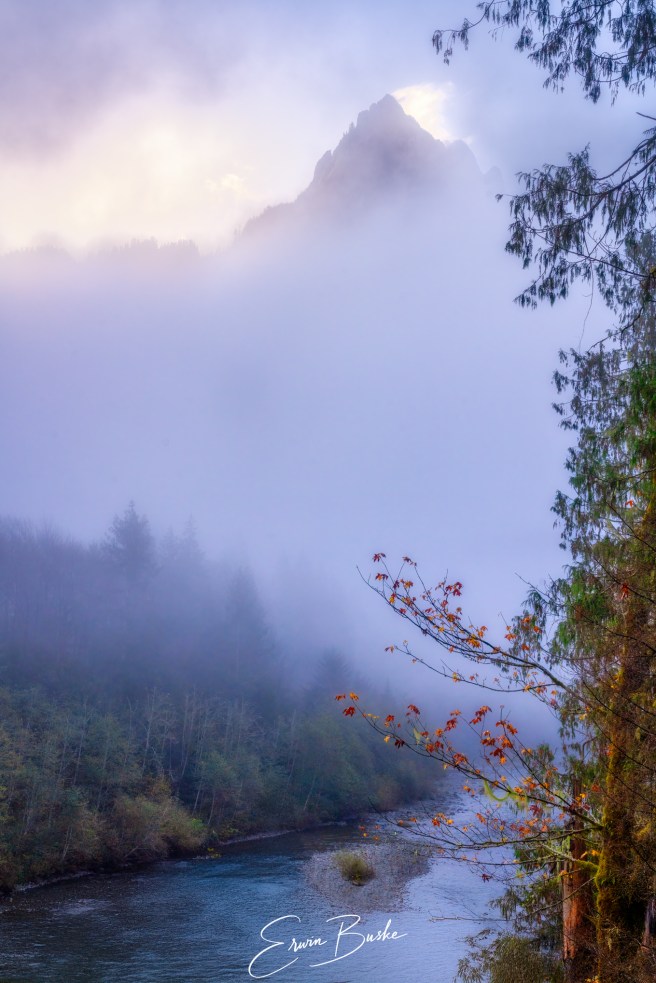
Middle Fork Mystical Morning
Lesson 4 — Reflections Transform Reality
Reflections can do more than duplicate a landscape. They can soften it, break it apart, rearrange color, and transform solid forms into something more suggestive. Monet’s Japanese Footbridge paintings are an obvious touchstone for this idea: water becomes an active visual medium rather than a passive mirror.
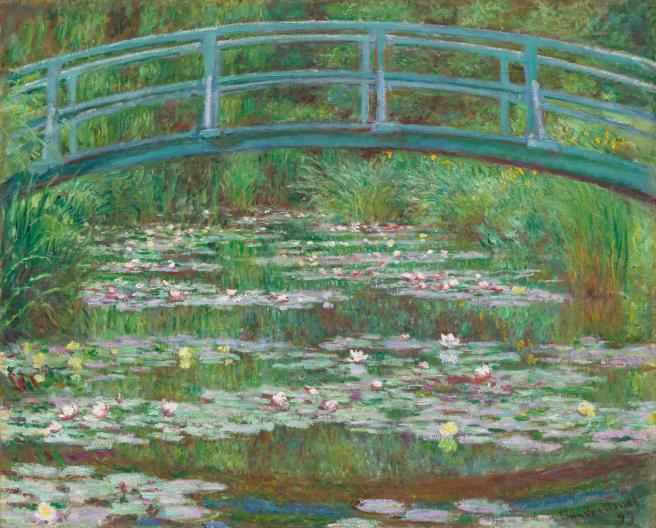
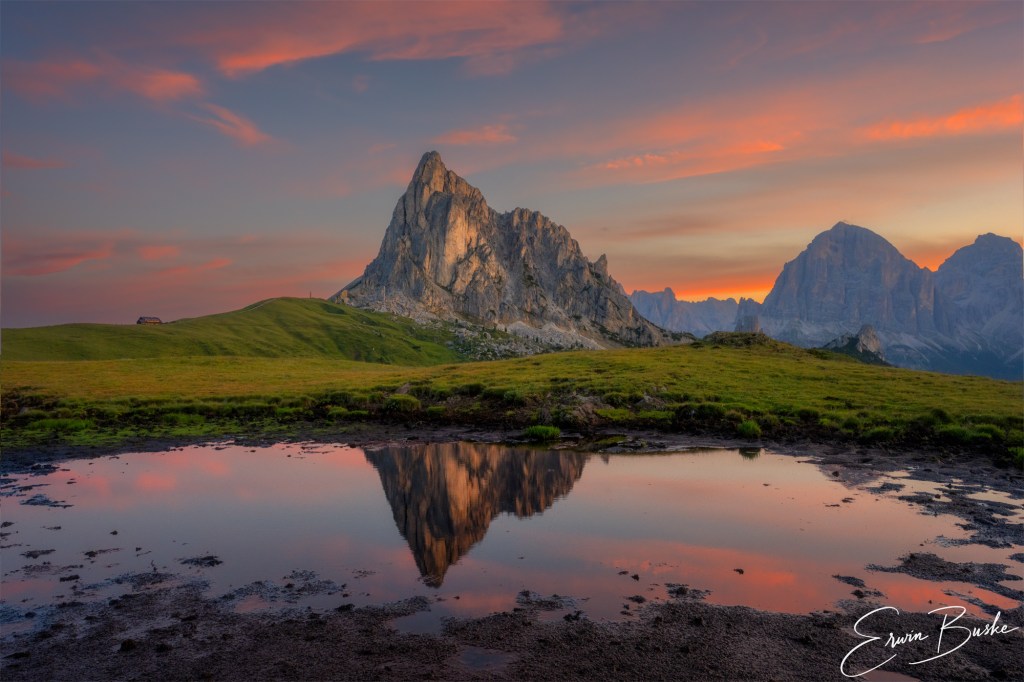
As photographers, we do not need to imitate Monet to experience this transformation. In the soft light of morning or evening, water naturally converts mountains, clouds, vegetation, and architecture into softened fields of color and form. In Dawn’s First Whisper, the reflected peaks and illuminated clouds take something solid and convert it into a more interpretive experience — color, shape, and suggestion rather than simple symmetry.
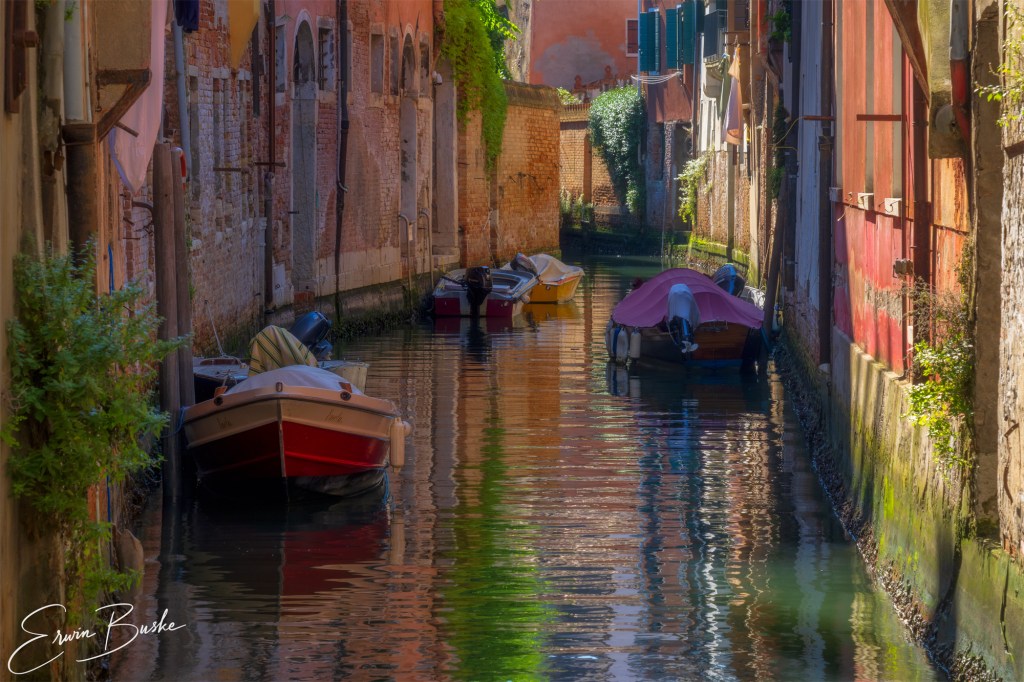
In the next image, Venice Canal Reflections, the effect moves even closer to abstraction. Architecture dissolves into bands of red, green, yellow, and blue, broken and reshaped by the surface of the canal. The photograph is still unmistakably photographic, but the reflection allows reality to become fluid.
Lesson 5 — Embrace the Fleeting Moment
Monet’s Woman with a Parasol has a special resonance for me because a hand-painted reproduction has hung in my home for years. What increasingly interests me about the painting is not simply its beauty, but its sense of impermanence. The wind catches Camille Monet’s dress and veil, grasses move beneath her, clouds pass overhead, and sunlight flickers across the scene. Monet was not describing a static landscape; he was responding to a moment that was already changing as he painted it.

Monet, Woman with a Parasol, 1875 NGA Public Domain
Monet returned to the woman-and-parasol motif years later under different circumstances and with a different model. The subject remained recognizable, but light, color, gesture, and atmosphere created a different experience. That idea resonates deeply with my own photography. I may return to the same mountain, forest, or shoreline many times, but I am never really photographing the same landscape twice. What matters is not merely the place, but the particular experience of the place under conditions that may never occur in quite the same way again.
Landscape photography therefore requires a willingness both to return and to pivot — to prepare for one possibility while remaining receptive to another. The scene I imagine may never happen, but something better may appear during a brief interval of changing light, weather, movement, or chance.
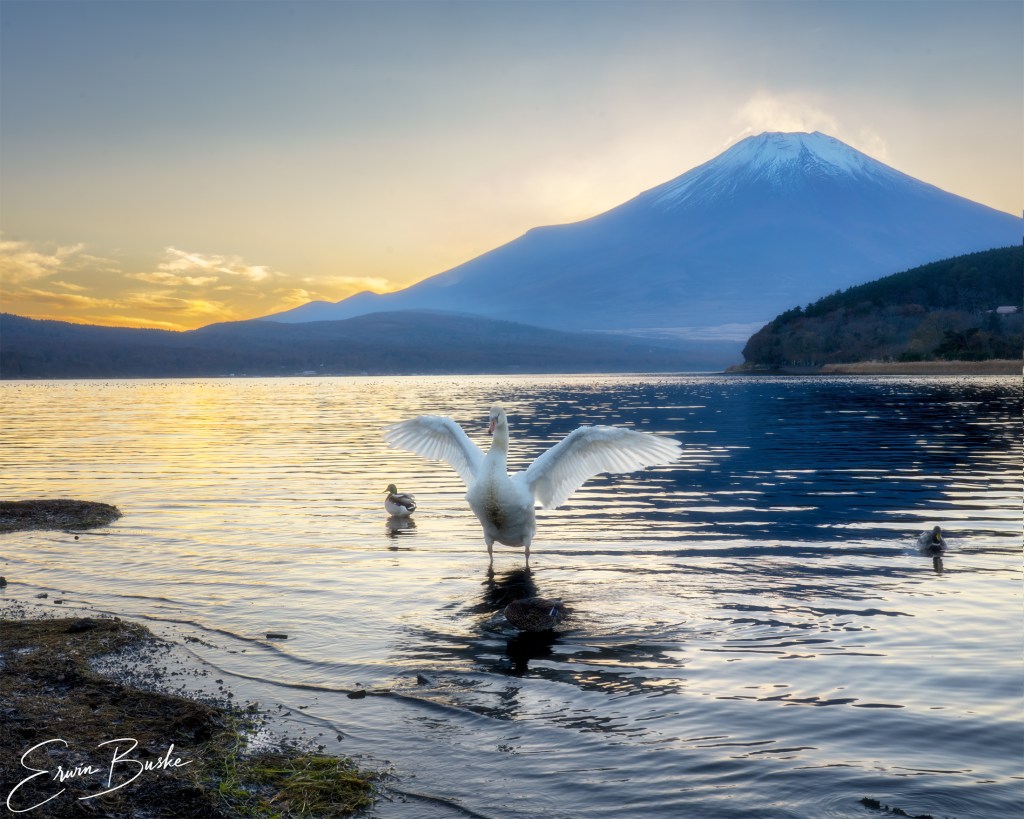
At the foot of Mount Fuji, a serene scene changed in an instant. A swan had been gliding calmly across the lake, but just as I composed the photograph it unfurled its wings, catching the luminous colors of the setting sun. The gesture lasted only moments. It was a reminder that some of the most memorable photographs arrive when preparation meets something unpredictable — and when we are willing to accept the image nature gives us rather than insist on the one we had planned.
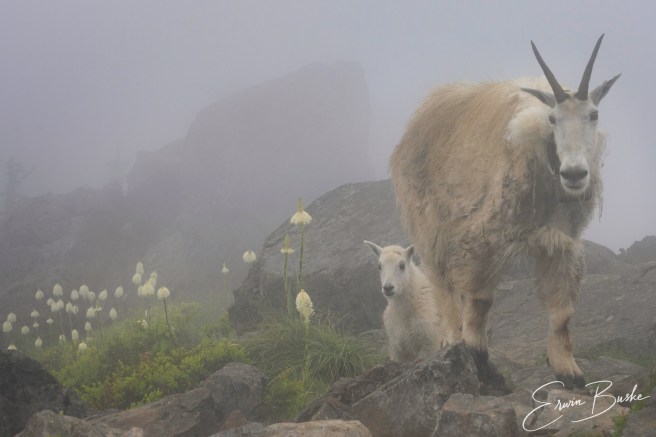
When my daughter and I arrived at the top of Mailbox Peak, we were surprised to find a mother mountain goat and kid moving through a foggy beargrass meadow. I have climbed and photographed this peak many times; returning has become something of an annual ritual. Yet it took years of repeated visits before weather, place, and wildlife converged in a way that expressed the experience of the summit for me. The scene could not have been planned. It had to be recognized when it appeared.
Lesson 6 — Suggest Rather Than Describe
Impressionist painting often gives us enough information to recognize a subject without describing every detail. What is communicated is not simply the literal scene, but an impression of experience. Monet’s Morning Haze (1888) demonstrates this beautifully.
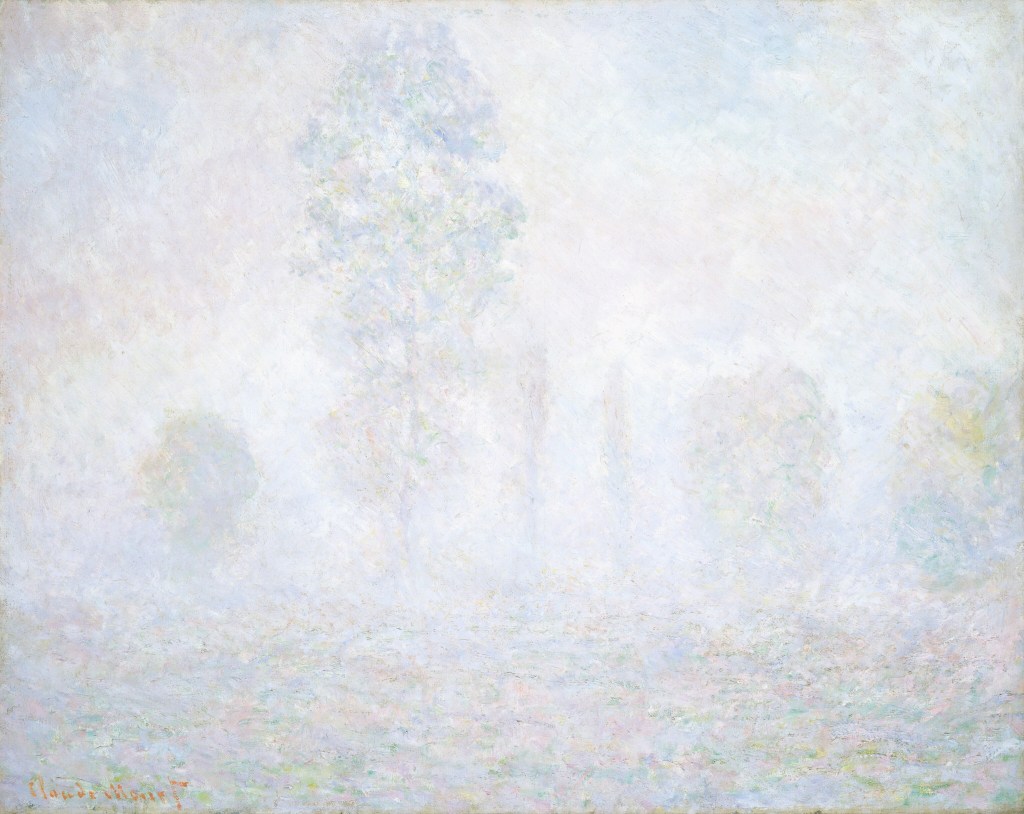
Trees barely emerge from a field of white, pale blue, pink, lilac, and faint yellow. Their outlines are indistinct. Monet gives us just enough visual information for our minds to recognize a foggy landscape without describing every branch, leaf, and spatial relationship. Importantly, nature itself is doing much of the simplifying. The fog removes information; Monet responds to what remains.
That lesson — allowing a scene to suggest rather than fully describe — has inspired many of my photographs.
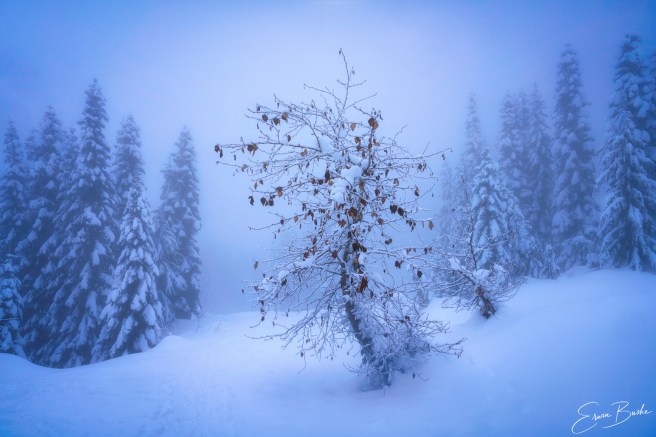
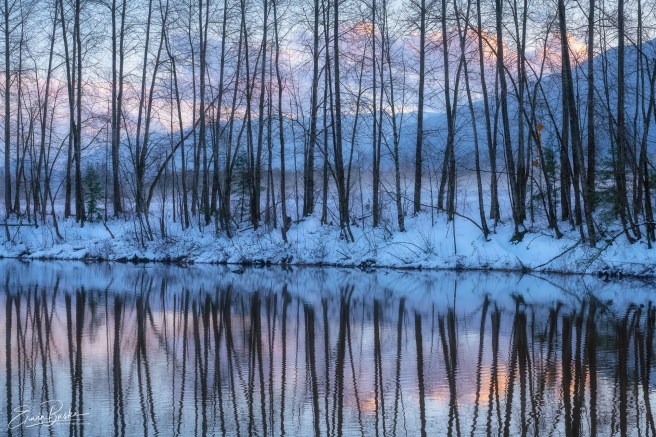
I passed this lone deciduous tree on a foggy winter morning while snowshoeing toward Kendall Lakes. The tree was still holding on to its leaves, suspended against a nearly featureless background. Here the fog dissolves the surrounding landscape, the palette is reduced, and much of the scene is implied rather than spelled out. Yet the photograph remains clearly photographic. Nature has done most of the abstraction for me.
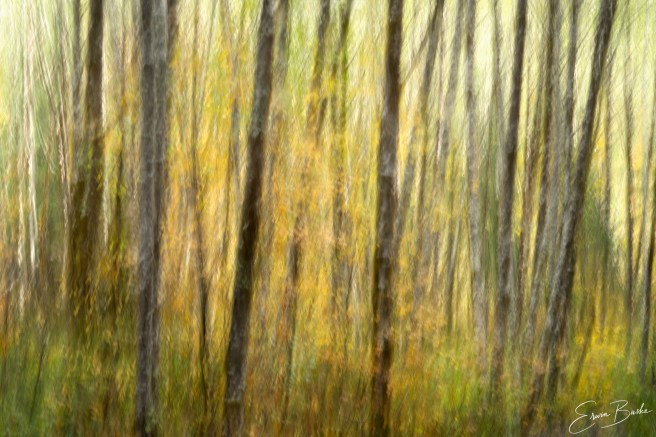
Most of my photographs, even when dreamy or painterly, maintain a close relationship with the recorded image. I generally rely on natural conditions to move a scene toward a more impressionistic interpretation. Occasionally, however, I loosen that connection and become more experimental. These images are not my dominant style, but they allow me to explore the boundary between representation and impression.
Sometimes I Go Further
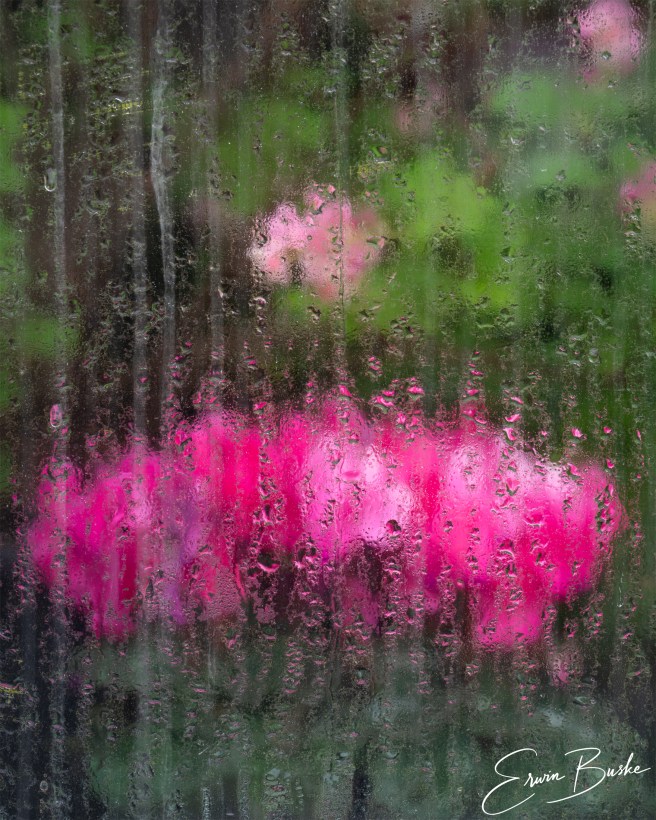
Photographing through wet glass or intentionally moving the camera allows me to relinquish some literal description while still remaining engaged in a photographic encounter with the world. The subject does not disappear; it becomes something the viewer completes through suggestion.
Bringing It Into the Present
I do not consciously run through a checklist of Impressionist principles when I make a photograph. Over time, these ideas have simply become part of how I see. Looking across the progression of my work, I can recognize a thread becoming more visible: an increasing attraction to atmospheric light, softened detail, relational color, revealing and concealing weather, reflections, and fleeting moments. This does not mean that every photograph I make needs to express all six lessons. It means that these ideas have gradually become part of my visual vocabulary. I explored this broader process of developing creativity and photographic vision in Nature and Nurture: Creativity and Skill in the Art of Photography.
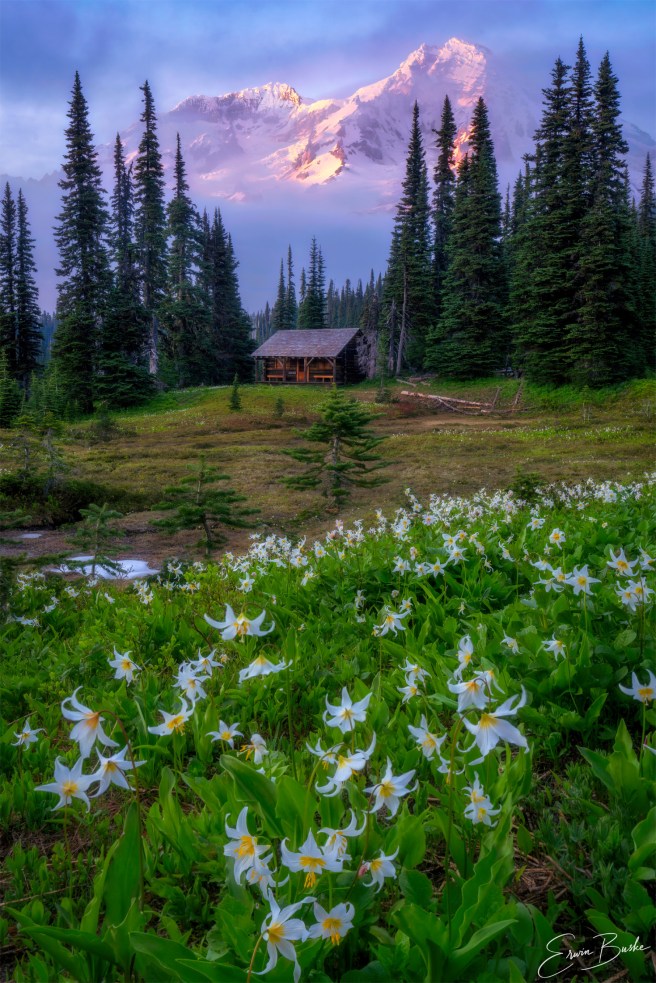
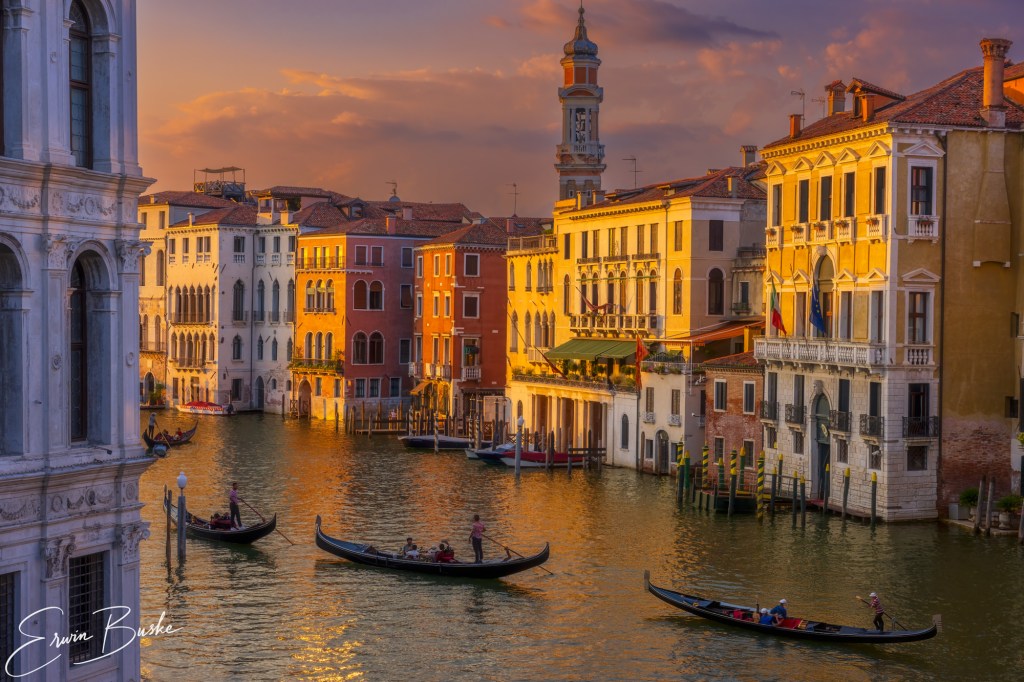
Both of these photographs were recently recognized by the Seattle Photography Society. I appreciated the recognition, but what interested me even more was realizing how clearly the photographs reflected qualities I have increasingly sought in my work: atmospheric light and weather that soften detail and reduce contrast; color that carries emotional weight; clouds, fog, or atmosphere that reveal and conceal; and the sense of a fleeting moment briefly coming together before the camera. The awards were gratifying, but the deeper satisfaction was recognizing that these ideas are no longer concepts I have to consciously apply. They are increasingly part of how I see.
The Road Ahead — Toward Less Description, More Experience
Over time, I have become less interested in asking:
How accurately can I photograph this landscape?
and increasingly interested in asking:
What did it feel like to be here?
And, going one step deeper:
What was it about this moment that caused me to stop and look?
My camera remains a recording device, and my photographs remain photographs. But what I choose to include, what I allow to disappear, how I respond to light, and how I interpret the resulting image are becoming increasingly personal. For me, photography is not less truthful when it acknowledges experience. It can remain faithful to the visible world while also expressing something of the photographer who stood before it.
The Impressionists did not teach me how to make photographs look like paintings. They helped teach me that faithful representation and personal expression need not be opposites. The landscape provides the light, weather, color, and atmosphere. The camera records what was there. My task is to recognize the fleeting moment when those elements come together — and to make a photograph that preserves not only what I saw, but something of what I felt.
Sources and Further Reading
- Sister Wendy Beckett, The Story of Painting, 1994
- National Gallery of Art — Impressionism and Claude Monet
- Art Institute of Chicago — Monet Paintings and Drawings, especially the Stacks of Wheat scholarly catalogue
- National Gallery of Art — “What Is Impressionism? 4 Things to Know”
- Tate — Impressionism
Originally published September 14, 2026. Revised October 4, 2026
Copyright © 2026 by Erwin Buske
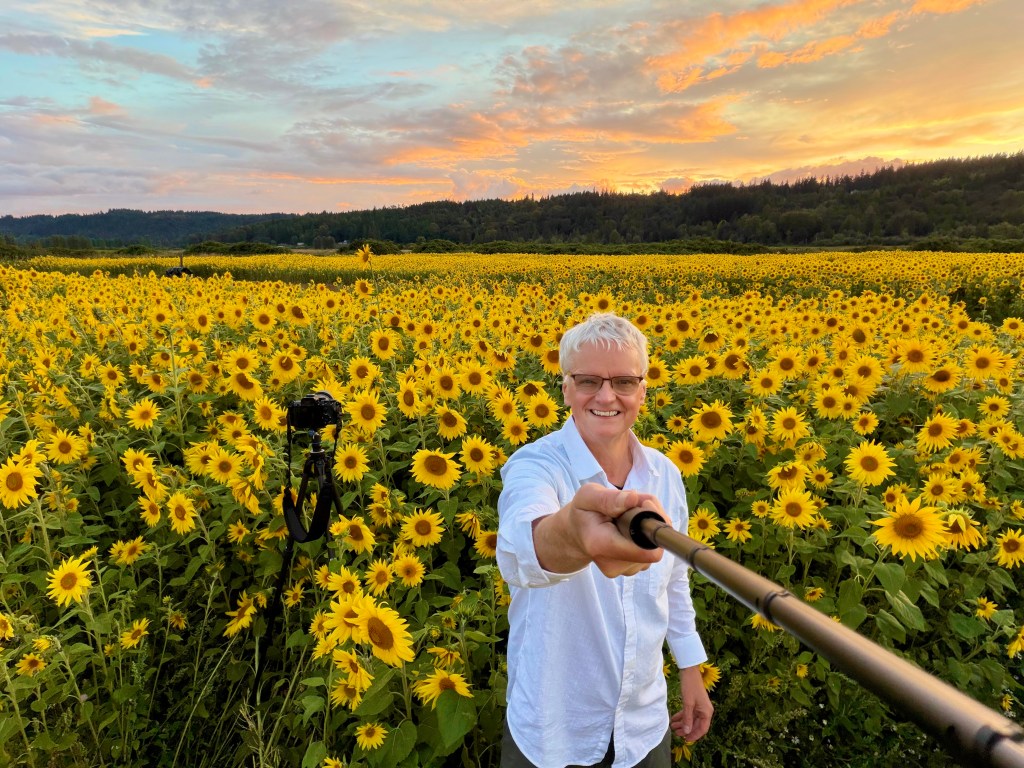
I am a nature and landscape photographer based in Fairwood, Washington. My work focuses on capturing the essence and emotion of the Pacific Northwest’s mountains, forests, and coastlines. Recently I have also explored landscapes abroad in Japan, Patagonia, Venice and the Dolomites. I witness and interpret nature. I aim to convey my inner vision and personal connection to the landscape through images. I am also a writer. I couple my images with stories. I publish articles covering a wide range of philosophical and spiritual subjects. These subjects also relate to nature and photography. I am available for private in the field workshops and zoom sessions, speaking engagements and presentations, along with longer term apprenticeships.


Thank you for sharing this with me, Erwin. I really enjoyed reading it. What I admire most is not only the beauty of your photography, but the way you think and see the world through it. Your reflections on Monet, light, atmosphere, and those fleeting moments really resonated with me. I especially love the idea that we may return to the same place, yet never truly experience the same landscape twice. There’s something very beautiful and philosophical in the way you interpret art and nature.
LikeLiked by 1 person
Thanks so much Jade for so thoughtfully reading this. I really appreciate it. Very few people take time to read anything anymore, especially on social media where attention spans are about 3 seconds for a post. With you I feel I am truly connecting, and that is very rare. Yes there is great benefit in returning to some of our favorite places again and again. It makes us more aware of the fleeting nature of experience, especially with changes of atmosphere, light and seasons. We too are different when returning, bringing a different sense of presence, as the days and years go by. I will visit France next year and hope to visit Monet’s garden. Thanks again for taking the time to read and of course the gift of your beautiful and calming music.
LikeLike
Very well-articulated and thought-provoking article, E! The subtlety, light, texture, and color in your photography transcended me to a fairyland — dreamy, mythical, zen, and otherworldly. You truly have an Impressionist’s eye. Your photography feels like Impressionist paintings come to life.
LikeLiked by 1 person
Thanks so much for reading Sun and your wonderful “impression” of the essay—greatly appreciated. I love how nature can do much of the work providing the canvas for these dreamy, mythical, zen and otherworldly scenes like we have seen on several hikes together. The challenge is to integrate that canvas with how we experience a scene-which often leads us something impressionistic rather than just documenting what is there. Let’s look for some more impressionistic scenes on our upcoming hike!
LikeLiked by 1 person
This article truly resonates with me, Erwin. Well done on capturing the various components of your photographic perspectives in great detail & insight. And your images speak for themselves – beautiful they are all. I forward to reading more of your musings & enjoying your images.
LikeLike
Thanks so much for the compliment and reading the essay, I truly appreciate this and look forward to sharing more of my musings and images!
LikeLike
“Recording a landscape and expressing our experience of it are not the same thing” is a line I’ll keep. The Impressionist idea of painting light and atmosphere rather than the object maps neatly onto photography. Even when I make concept images with Nano Banana Pro, the strongest results come from describing weather and light, not the subject. Thank you for this essay.
LikeLike
Thanks so much Ava for reading so thoughtfully my essay. I am glad some of this resonated with you in your own experience and applications. The idea that light and atmosphere are more important than the subject itself is difficult for some to get their head around–that is because its more about mood and feeling than precise subjects and geometry. I am glad this concept comes natural to you.
LikeLike