2025 unfolded as a year of taking a journey both outward and inward, a balance of exploration and reflection that reshaped how I moved through the world. One of its defining moments was witnessing my daughter’s graduation from UCSD, a milestone filled with pride and gratitude that marked how quickly life evolves. That sense of transition carried into travel as well—standing among the stark beauty of Joshua Tree and the wide, otherworldly landscapes of Anza Borrego, I felt the pull of new places and unfamiliar horizons. Later in the year, photographing the autumn colors in Japan in November became a highlight, where temples, forests, and city edges offered moments of quiet awe and deep visual inspiration.
Arashiyama bamboo paths soft breathing light sunrise touches my steps
At the same time, 2025 was equally a journey inward. Moving out became a catalyst for learning more about myself—what I value, how I want to live, and how solitude can sharpen awareness. I found depth not only in distant travel, but in returning again and again to familiar landscapes with fresh eyes: hiking and photographing Mount Rainier, the Mount Baker area, and the rugged coasts of Washington and Oregon. Through these repeated encounters, the year taught me that exploration doesn’t always require going far—it can also come from looking more closely. Together, these outward adventures and inward discoveries made 2025 a year of growth, clarity, and quiet transformation.
As I look toward 2026, my thoughts are centered on both expansion and depth—continuing to stretch my creative and personal horizons while staying grounded in the places that feel like home. I will continue expanding my horizons with trips to Patagonia to photograph the fall colors and to the Dolomites to capture the wildflowers and their extraordinary atmosphere, drawn by the promise of unfamiliar light, scale, and mood. At the same time, I want to deepen my exploration closer to home, spending more time in Joshua Tree and Anza-Borrego, allowing patience and repetition to reveal subtleties I may have once overlooked. I also plan to return to my favorite locations in the Pacific Northwest, including the Pacific Coast, the Olympics, the North Cascades, and the Columbia Gorge, revisiting these landscapes not out of routine, but out of a desire to see them anew—more intentionally, more intimately, and with a clearer sense of purpose.
This blog post includes 30 of my favorite images taken this year that together help tell the story of 2025.
1. Bridges of Snoqualmie Valley
While standing on the bridge, I felt myself falling into the soft, ethereal autumn reflections shimmering off the maple trees, particularly as I gazed towards another bridge nestled further upstream along the Snoqualmie River. Although much of the course of this river is fast and swift, with some white water and rapids, at this river’s bend all was calm and smooth. I accepted the grace of a peaceful autumn day.
2. Snoqualmie Valley Autumn Pasture
The colors this year in the Snoqualmie Valley are the best I have ever experienced. I took this image after a recent storm, and even with those heavy winds, the colors were holding on. The tree in the center has the top of its canopy in flames, but the rest of the tree is still green, reminding us that a bit of the summer season still remains, evoking the spirit of Wabi Sabi, seasons in transition. Nearby, a poignant reminder of the storm’s might lies a crimson tree, gracefully yielding to the elements and finding rest within the meadow.
3. Snoqualmie Falls Autumn Moods
In the late afternoon, clouds begin to amass, and a mystical veil of fog and mist ascends from Snoqualmie Falls also spilling into the valley below . At this time, low angle autumnal light filters through a break in the clouds, creating a breathtaking spectacle. The falls drop gracefully 270 feet down into the valley below. Fall colors of broadleaf maple trees dot the surrounding canyon walls. The Salish Lodge plays peek-a-boo, coming in and out of view. I must have stayed here for an hours, and no two minutes were alike, with the falls showing constantly changing moods.
4. Autumn Above, Autumn Below
I do not know where all these leaves came from, because the trees seemed to be holding on to their canopy. It was Autumn above and Autumn below, total immersion in fall color at the Mt. Fuji Five Lakes region, Japan. The serene atmosphere and the breathtaking spectacle made it a truly unforgettable experience.
5. Mount Fuji Swan Lake
The serene scene at the foot of Mount Fuji unfolded unexpectedly. Initially, a calm swan glided across the lake, but just as I composed the shot, it dramatically unfurled its wings, becoming a living canvas for the luminous hues of the setting sun. This moment underscores a fundamental truth in photography: embracing the unpredictable allows us to capture the most magical and authentic images. Nature, in its boundless artistry, often leads us to discoveries beyond our expectations.
6. Mount Fuji Autumn Blanket
A canopy of Japanese Maple leaves and branches form an Autumn blanket wrapping around Mt Fuji. Looking through the canopy opening is like looking through a window out into a beautiful dream.
7. Autumn Threads of Silk
Schiraito Falls is a series of white streams that resemble hanging threads of silk especially beautiful catching the late evening light of sunset and surrounded by the colors of Autumn. The falls are located at the base of Mt Fuji, fed by mountain springs. The expanse of the Falls silk threads is 150 meters all flowing off a 20 meter high cliff. The Falls are one of the most beautiful in all of Japan and from my perspective also the world.
8. A River Runs Through You
In the moments after the sun has set, I head down the trail stopping at a bridge over a small stream. I become immersed into the scene. There is a constant movement, a journey out and in, as I watch and listen to the water’s flow. RIP Robert Redford 1936-2025
9. Riverside Reflections
On my way to the North Cascades in mid-October, I passed through the beautiful Tumwater Canyon, near Leavenworth. The fall colors along US 2 significantly delayed my arrival. I made multiple stops to immerse myself in the mosaic of beauty and reflections. I especially appreciate the variety of colors in this canyon and how they often create beautiful, organic, Monet-esque, painterly patterns.
10. Skykomish River Autumn Flow
As the day comes to a close, the Skykomish River flows gently into a valley with maple trees illuminated by the setting sun. Mist rises and falls concealing then revealing for a moment Mt. Index. I forget about the hard pounding rain just moments before, as I am lulled into a kind of peaceful slumber, awake but also dreaming.
11. At the Edge of a Winter Forest
I love how winter transforms a landscape, creating areas of empty space and bringing harmony to divergent elements, blending and softening shapes and lines. In Washington, we don’t often see the edge of the forest. Most of the time, when we are in the forest, the forest is all around us. It was refreshing to once again stand at the edge of a winter forest.
12. Snow Mounds
While heading up the Kendall Lakes snowshoe trail I decided to take a quick water break. Seeing people behind me, I stepped up a small incline to get out of there way so they could pass by. This small diversion was just enough for me to notice this scene that I would have otherwise missed. Is this a chance encounter or what? I loved the snow mounds in the foreground and the sketch of lines leading out into the warm mist. Never underestimate the value of stepping a few feet off the snowshoe trail into the deep powder and the surprise that awaits of Winter Dreamland views!
13. Licorice Ferns in a Foggy Forest
These licorice ferns are growing up an old, slanted tree trunk. Their grace and form stand out in the foggy forest of Cougar Mountain. The dense fog transformed the beauty of the ordinary into the extraordinary with a touch of mystery. Licorice ferns have an interesting growth pattern and cycle. They usually only grow on mossy tree trunks or rocks, and their lush growth peaks in winter rather than spring, then dies back in summer and early fall. This is an adaptation to moisture and cooler temperatures on tree trunks, which is primarily present in winter.
14. Yoshino Cherry Blossom Reflections
At the dawning of a new day, after the storm had passed, the Yoshino Cherry Trees displayed their recently opened blossoms, their beauty mirrored on the rustic brick walkways of the University of Washington Quad. The scene was a captivating blend of natural splendor and resilience, with the vibrant pink and white blossoms contrasting beautifully with the weathered brick, creating a serene and picturesque moment. The shimmering reflections seemed a bit dark and mysterious, stirring up memories of walking these paths long ago as an undergraduate student.
15. Ever Returning Spring
Delicate cherry blossoms on a moss covered branch awaken, bringing new life and hope to passerby’s on an warm spring day along the Arboretum’s Azalea Way.
16. Deer Grazing in a Meadow at Sunrise
When a herd of deer wanders into my photography space at sunrise in the Columbia Gorge, I know the sun, earth, and stars must be in alignment. I will take this as good fortune! I love how the backlighting accents the deer and flowers, magic unfolding before my eyes. The small deer furthest out seemed to be actually watching the sunrise.
17. April Showers Bring May Flowers
It was a lovely evening at the foothills of Cashmere on the first of May. A very gentle, warm breeze rustled through the meadow. Beautiful backlighting from the setting sun highlighted the blossoms of the lupine and balsam root flowers. The mountains of the Enchantment Lakes area were visible in the distance. I thought I never wanted to leave. While I wished I could stay in this paradise forever, the beauty of a wildflower meadow is tied to its fleeting nature. Here today, gone a week or so later.
18. Lone Juniper and Owl Rock
While wandering through the desert of Joshua Tree National Park, I spotted this beautiful, ancient Juniper tree. As I was framing the shot, I noticed a rock on the left that resembled an owl, gazing back at me and the tree. I’m sure others will find this tree, with its exquisite shape and form, sculpted by wind and time, equally interesting!
19. La Jolla Beach Craters of the Moon
The scene unfolded as Caroline and I strolled along the beach towards sunset during low tide. We discovered a captivating pattern of small, circular pools that evoked the lunar landscape. I was particularly drawn to how these pools absorbed the setting sun’s light, which, in turn, highlighted the vibrant green aquatic life within the three foreground circles.
20. Cove of the Far North
The furthest northwest tip of the contiguous United States is Cape Flattery. I visited there for the first time in May 2025 and was especially drawn to this beautiful cove, looking out across the Strait of Juan de Fuca to Vancouver Island, Canada. This image was taken during the afterglow of the setting sun, with twilight approaching – a very peaceful and calm period of time. I was the last person at the cape, hiking out in the twilight with just enough light to get back to my car.
21. Dawn Chorus
Birds often gather at sunrise for several reasons, including the “dawn chorus” and the start of their daily activities. I was amazed to watch a flock of birds slowly gather, take flight in and around Cannon Beach, moving with the changing sunrise light and color palette, crisscrossing the Haystack a few times, and then heading out to sea.
22. Endless Summer: God Only Knows
This is in memory of Brian Wilson of The Beach Boys who recently passed away. One of the things I admired about Brian was his sense of humility in the face of his genius and stardom. In this song, he knew his younger brother Carl had the best voice for it and willingly passed the lead vocal role to him, along with what is arguably Brian Wilson’s most creative composition, Good Vibrations. Paul McCartney famously called The Beach Boys’ “God Only Knows” the “greatest song ever written,” stating it reduces him to tears and showcasing Brian Wilson’s genius as a brilliant, emotional love song with incredible arrangements.
23. Bandera Phlox Garden
I have been up Bandera several times in early June and recall seeing patches of phlox amid the many boulder rocks on the way to the top. Sure enough, the phlox seemed even more beautiful than my recollection this June, collecting light during the golden hour, reaching out to Mt. Rainier. The vibrant colors of the phlox against the rugged landscape created a truly captivating scene, a testament to the sublime beauty that can be found in nature.
24. Pink Heather Meadows at Sunset
The flowers were at their early stages on July 3rd at the Paradise Flower Fields, with some glacier lilies, avalanche lilies, and buttercups, and, a bit harder to find but nestled in places here and there, pink heather. I hiked up along the Deadhorse trail. While I didn’t find any dead horses, I did find this beautiful heather. I love how the colors in the sky and the heather started to converge right after sunset.
25. On Our Way Home
We are on our way home, into the beauty of nature that surrounds us, down the mountain trail to the lake below, crossing meadows filled with pink heather, feeling the moment-by-moment presence of Mt. Rainier rising into the heavens above.
26. Mount Baker Meadow Magic
During my two evenings in the Mt. Baker area, the weather was quite unpredictable, fluctuating between warm, sunny skies and abrupt temperature drops, thunderclouds, and rain, only to be followed by the sun’s reappearance. This led to two unforgettable sunsets. On the first evening, I ascended to Table Mountain from Artist Point to take this image. I especially loved how the white and pink flowers were intertwined, catching the luminous, low-angle light of the setting sun.
27. Fire on Three Fingers
This telephoto view captures the dramatic sight of backlit clouds on Three Fingers Mountain, evoking the imagery of fire erupting from the Dragon’s Mouth as the sun dips behind the peak. The composition highlights the raw, fiery energy of the moment, transforming a natural phenomenon into a visually stunning spectacle.
28. Good Morning Ecola
“Life is 10% what happens to you and 90% how you react to it.” – Charles R. Swindoll
This was a beautiful, moody sunrise as viewed from Ecola Overlook. Ecola and Cannon Beach sea stacks are in the distance. The offshore flow moved slowly inland with the rising sun. Fog rolled gently in and out of the sea stacks and mountains, collecting the light of the sun as it slowly rose above them.
29. Rocks, Lines, and a Face in the Tide
My recent trip also included a stop at my favorite beach, Bandon. It was a gloomy day, with little color to be found anywhere. So, I decided to previsualize this image in black and white, concentrating on the essence of the lines, shapes, forms, and subtle gradations of light in the foggy gloom. This essence seemed beautiful to me, with Face Rock in the upper right looking as mysterious as ever. There is beauty everywhere, even in the gloom.
30. Lighting Up the Torches
I just loved how the golden hour light played on these torch lilies against a dark background and autumn grass seed shafts, lighting up the torches. Torch lilies symbolize renewal and resilience. In the language of flowers, they embody the bond between individuals and their shared experiences, serving as a reminder of love’s enduring nature and the necessity of connections.
Copyright Erwin Buske Photography 2025
Thanks for reading by blog post—2025: A Journey Out and In. Full size images from this blog post are available for viewing and purchase here. If you enjoy content like this be sure to follow my blog to get notifications of new posts. Wishing for everyone a wonderful new year filled with rewarding adventures and hopefully a bit of nature also!
There is nothing more fundamental in photography than establishing a point of view. Point of view in photography refers to the position of the camera when taking a picture. If the camera low to the ground this is a “worm’s eye view”. If the camera higher up and pointed straight down this is a “bird’s eye perspective”. Although this concept is simple enough, both beginner and more advanced photographers often fail to establish a point of view for nature that coincides with how they personally view the world. Putting ones heart and soul into a photograph to create a unique image requires a personally expressive point of view.
Magenta Paint Brushes in the Mountain Meadow This image is a good example of a “Worm’s Eye” point of view.
Establishing a personally expressive point of view requires what I call “working the area”. Before even taking out the large interchangeable lens camera, one must explore a wide range of points of view. Go low, go high, get near, move further back, go left, go right-in short dance around to find the best vantage point for your subject. A cell phone camera is also a great tool for establishing a point of view, one which I now almost always use because it is so intuitive and allows me to explore many options quickly. A slow approach to photography does not mean not moving around and even in a go slow approach moving around and working the area should be done fairly quickly in order to explore a wide range of options. The biggest mistake I see photographers, both beginner and advanced, doing is not moving around and exploring options. No matter how good you get, you still need to do this! What I typically see in Landscape Photography even among advanced photographers is getting to a scene and immediately establishing a point of view planting their tripod legs-big mistake. No one is that good! Your legs need to work, you need to dance! I am currently mentoring a beginner Highschool student and point of view is one of the first concepts I taught him. He quickly understood the concept and carried out an assignment to develop multiple points of view. The impact on his growth as a creative photographer was immediate and easy to see in his images.
One should establish a point of view before deciding upon an angle view. The angle of view is determined by the lens focal length. Wide angle lens have a wide angle of view. Telephoto lenses have a narrow angle of view. The temptation is to first start with an angle of view then establish a point of view, but in my experience this approach leads to more formulaic rather than creative images. Once a good point of view is identified, then and only then should one decide which angle of view (lens focal length) works best to best present the point of view. The over reliance on either the wide angle or telephoto perspective usually is a result of jumping immediately to one of these two lens choices without first establishing a personally expressive point of view by working the area. The wide angle or telephoto may indeed be the best choice for some points of view, but for many others it will be something in the standard focal length range, 30mm to 70mm in full frame photography. Once you get in the practice of first establishing a point of view, you might find out that on some trips that a majority of your images will actually fall in the often ignored standard focal length range.
Painted Hills Claystone Silt Abstract: 32mm, F14, 1/60, ISO 400 Handheld This is a good example of a “Bird’s Eye” point of view looking straight down.
Spirits of our Ancestors: Painted Hills 72mm, F14, 1/20, ISO 100, 2 image focus stack Although this image has a near far perspective it was not taken with a wide angle lens but rather with a 70-200 telephoto zoom at 72mm. I first established a point of view by working this area for about an hour before settling on this composition. The layering you see in this image, of not only the grassy foreground but also the turquoise peaks and red painted hill like mounds, could only be achieved using a moderate telephoto focal length. The grassy foreground was the most tricky in this image and it required a low point of view fairly far back from the grass and focus stacking to get the entire image sharp.
Middle Fork Bridge to the Spirit of the Shire: 70MM, F14, 1/2S, ISO 100, Focus Stack I discovered the point of view for this image by getting very low to the ground and making multiple dance moves forward and back, left and right, looking for the vantage point that would provide the best visual flow from the moss to the tree trucks and bridge. Once settling on this point of view, I decided it would work best with a 70mm moderate telephoto perspective to achieve a good balance between a near far perspective and compression of key elements in the scene. A 70mm telephoto would also render the bridge at a size that would draw the eye into the light shining on the bridge through the trees and the middle fork river basin.
Day of the Eagle 347mm, F11, 1/2000, ISO 1250 Handheld The point of view for this image is looking more or less strait up which allowed me to photograph the textures on the underside of the eagle’s spread-out wings. In order to render the bird at a sufficient size in the frame I used my 200-600 zoom lens.
Trilliums Underneath Big Cedar Tree 18mm, F16, 1/5, ISO 400 Focus Stack The point of view for this image is a worms eye view and up close to the trilliums but also looking almost straight up to the big tree in the distance. It might look easy but it took some doing to get this point of view. Although I tried this with a much wider focal length I found 18mm offered a less distorted and more realistic rendering of the scene, much as if one were lying on the forest floor and looking up at the trilliums and big cedar tree.
Two Hearts Beat As One: 16mm, F14, 1/10, ISO 100 Focus Stack Olympic National Park This is Lunch Lake in the Seven Lakes Basin of Olympic National Park. This lake from most points of view does not look like a heart but from this point of view it does. Note there is another lake in the basin called Heart Lake that more obviously looks like a heart from any point of view. Point of view often also involves juxtaposition. Juxtaposition is often not easy to find and involves both a keen eye and much moving around and working the area. The rock in the foreground and surrounding red huckleberries echoes the heart shape of the lake. In nature all hearts beat as one.
Know Thy Self
Although the concept of a Point of View is simple enough, it is where you place your camera, many people find it challenging to create a personally expressive Point of View. To create an image that is personally expressive, a person needs to first be aware of how nature and the landscape makes them feel at a more emotional level. This might seem simple enough also, but I have found through my work with multiple students, few (at least initially) have this ability. It is not quite the same as the thoughts and feelings you bring with you when you visit a landscape. It is the feelings, emotions and moods that flow from your immediate and moment by moment connection to nature and the landscape.
Comfortably Lost in the Middle Fork Forest
I have found that the best way to get in touch with what you are feeling when in nature is to spend at least some time daily walking through nature ironically without a camera in hand. Doing this daily will help you move toward a more meditative state of mind, also known as the “Beginners Mind” in Zen. The “Beginners Mind” is free from preconceived notions about a place and our normal preoccupations with daily concerns. This opens the door to a more immediate connection to the nature and the landscape. Freed from the filters of the mind, one is more open to immediate flashes of perception and seeing things that others likely pass by. This is because you will be connecting directly with nature, nature in you, you in nature, no separation.
Forest Pond Mossy Stones
While hiking through the Middle Fork forest I came upon this small pond surround by lush mossy stones. To me, although not grandiose in its beauty, it was such beautiful sight to behold on a Mid Winter day.Several people reached out to me on Social Media wanting to know exactly where this scene is located. I declined to tell them as I know that scenes like this can only be found through becoming more self aware and in tune with one’s surroundings, not be retracing someone else’s steps.
What About Intentions?
Some of you may be wondering is there a place for intentions when establishing a personal point of view that requires getting back to a more beginners state of mind and letting go of expectations. My answer is that there is still a place for intensions. One should always start out with a set of intensions. To do otherwise is a bit like setting out on a boating trip with no ability to stir the ship. Having intentions is not the problem, the problem is not being open to changing plans once circumstances change. In the movie “Get Back”, during the creative recording sessions where the Beatles were engaged in a very free flowing and iterative process of composing their songs, Paul McCarthy says to his band mates that entering a session with no plan is a recipe for getting absolutely nothing done. This is interesting that he would say this because there was an incredible amount of improvisation and changing of plans in those jam sessions associated with the songs on the Get Back film set. The songs that were eventually recorded bore little resemblance to the original ideas and plans. Creative photography follows a similar trajectory. One is far more likely to be creative if one starts off with a set of intensions, but at the same time feels an immediate connection to nature, and is willing to pivot with what is happing in the field and momentary flashes of new perception. Can you imagine trying to write an essay or a story without a outline? Can you imagine the creators of the movie Avatar attempting to make a movie without a script or a plan? Of course not. Plans are not the problem and are necessary. The problem is not being flexible and willing to pivot and change the plan.
Cherry Blossoms Cobble Stone Roots
This old gnarled Cherry Tree, with its beautiful blossoms, also looked a bit spooky in the light of the early morning, also collecting some warm light from the golden lamps. Standing contorted and strong, as if it was doing a kind of yoga tree pose, its reflection to me looked almost like its own roots anchored deep deep in the ground.When I arrived at the UW Quad on this early morning, this is not the image I had planned. But when I realized that hoards of people were standing in the way of my originally planned compositions, I looked with fresh eyes in areas where few people were present. When I saw this magnificent tree, I knew this was the image and story for this day!
Technique: Learn it to Forget It
In a sense having a plan and the ability to be spontaneous both aim for the same thing. Both help free our mind from an overly deliberate and analytic approach to photography and allow us to shoot more from the heart which is the key to being creative. Because the plan is already there we do not need to think about it all that much in field. And because we are spontaneous we also do not need to think all that much about the need to change direction. Even higher levels of freedom are possible by being so thoroughly knowledgeable about photographic technique that it also becomes second nature. As important as things like aperture, shutter speed, and ISO are, we should not have to think about them all that much in the field. At this point in my photographic journey, I dial them in manually with no thought at all. This frees me to follow my heart mind finding that point of view that supports best my creative vision.
Tree Beards and Mossy Arms I think some trees, just like people, come to life in the offseason or Winter, when we can see better their true form. With this Broad Leaf Maple Tree, we can also see its many lichen beards and moss covered arms cantilevered and spreading out over the Middle Fork of the Snoqualmie River. This scene was not part of the plan for this day and was a spontaneous discovery through a flash of perception out of the corners of my eyes. I have passed this tree countless times on my travels through the Middle Fork, but only on this day did it grab my attention. I instantly knew what to do and did not need to think through the technical details of how to create this shot. The how to was second nature to me, freeing me up to to follow the heart mind, establish a point and angle of view, and record on my camera sensor my creative vision.
Putting it All Together
Establishing a point of view, especially when combined with an angle of view, is the single most important creative decision in photography. A point of view is simply where we place our camera. Establishing the best point of view requires moving around, going this way and that. Get prepared to quickly dance. You will get a Zumba workout! Although the concept of a Point of View seems simple enough, for an image to rise to the level that is recognized as art, the point of view needs to be personally expressive in a way that also instills an emotional reaction in others. Personal expression requires that we are in touch with how nature and a landscape makes us feel. For this we must get back to more of a “Beginners Mind” that is free from preconceived notions about what is our task for the day. This does not mean we go into the field without intentions. Intentions are vital for putting the creative process in motion. The “Beginners Mind”, and the ability to pivot with changing circumstances, however, are what will ultimately lead us to the a personally expressive and unique point of view.
I’m Still Standing Several of the trees in this grove (but not all) stand alone in having survived an ancient fire. Standing underneath this ancient grove and walking along the boardwalk, one feels humbled and what it means to endure in the face of danger. Establishing a point of view for this image involved use of a moderately wide angle view (27mm) and getting above the boardwalk leading to the Lady in Red. She was important in providing a sense of scale to this image juxtaposed with the sunburst at the top of the image to further enhance the sense of scale of the forest. It was important not to go too wide and not to stand too close to the forest in order to preserve the sense of forest compression.
Thanks so much for reading and viewing the images of this blog post. I encourage you to share your reactions, thoughts, comments, impressions on this post here. If you think others would enjoy reading this post, please also share it with your friends and communities. If you would like to see more content like this subscribe to the blog so you automatically receive future blog posts. To find out more about my workshops, apprenticeship, and coaching programs click here. To learn more upon my perspectives on nature be sure to check out my Ebook, the Hidden Landscape: The Inside Passage. This image rich book is 248 pages and provides insight how nature, mystery, the Tao, Zen, and the American Transcendentalism of Thoreau inform my photography and can provide sources for you own inspiration. Here is the link to the EBOOK along with a preview. https://payhip.com/b/FCI4z. Thanks again and happy trails!
Happiness is sitting on a carpet of moss in the Middle Fork valley!
One of my core beliefs is that we all have the potential to be creative. I believe not only this because of my own experience in learning the art and craft of creative photography, but also through my experience teaching others through my photography workshops and my apprenticeship program. Also, many of the top photographers who I admire the most have confided in me that they were not originally creative and that creativity came to them slowly over the course of many years..
By the Light of the Setting Sun and Rising Moon
I have no formal education in photography and the arts, and I am largely self-taught. For most of my career I worked at Boeing as a Cost Analyst. My forays into nature served as a necessary counterbalance to my role in the corporate world. I have learned the art and craft of photography from many sources not the least of which is direct experience of nature. Other indispensable sources include reading books, YouTube videos, tutorials, participation in photography club outings, hanging out with photography friends, photography workshops, studying the images of others, and willingness to experiment and make mistakes. I think, however, my biggest hurdle that I needed to get over in developing a creative approach to photography is getting beyond my belief “that I am not creative’. My experience has taught me that we all have the capacity to be creative. In my case Nature itself was my best ally in breaking through thought patterns, usually learned, that tell us we are not creative. I will get into more about this later. Channeling creativity into an image of course also requires skills that must be learned. Creativity and skill are not an either-or proposition, the two are inseparable. But it is my belief the capacity to be creative is something we are all born with, but for most of us somewhere along the way this capacity becomes blocked, ironically due to learning. It is the ultimate irony of the creative process that we must learn to unlearn much of what we have been taught!
My apprenticeship program, where I work with a budding photographer over a period of one year, has also convinced me that everyone has the capacity to be creative and learn the art and craft of photography. Everyone learns in different ways and one of the benefits of a one-on-one apprenticeship program is the ability to tailor instruction to support the way a specific individual best acquires knowledge and learns. With all of my students this has meant putting them in the driver seat. They use their own camera and their own computer while I help guide them through their options, rather than just watching how I go about taking and processing images. I teach them the skills they need and help them see their creative options but leave actual creative choices up to them. With the student in the driver seat, this helps develop confidence, that they can do it. This confidence in turn helps unlock the creative potential, that in many ways was always there. I feel successful once the student does not need me anymore and develops their own ability to grow creatively.
Forest Moss Icicles
For as long as I can remember there has been an ongoing debate about the origins of creativity. Some think only certain people are born to be creative, and others think that creativity solely a function of one’s environment and how it supports the learning process. It turns out that science supports both nature and nurture playing a role in the creative process, but not in the way that many would expect. Let us take a look at study that is particularly important in this regard.
In a landmark study, NASA hired Dr. George Land and Dr. Beth Jarman to develop a test to measure creative potential for NASA’s scientists and engineers. The test measured divergent thinking, the ability to come up with lots of ideas to solve a particular problem. After using the test within NASA, Land and Jarman, decided to use the same test to address the age-old question “where does creativity come from”. The test was administered to 1600 children who were then retested at different points in their life span.
As you can see from the above chart test performance declines precipitously with age. “What we have concluded,” wrote Land, “is that non-creative behavior is learned”. What we can therefore also conclude is the creativity is not so much learned as unlearned or put another way we must learn to unlearn much of what we have been taught, especially any negative and often habitual thoughts that we are not creative.
Mt. Si Boardwalk into the Fog and Mist
This notion that our natural capacity for creativity declines with age, can be found in the wisdom and spiritual traditions of the Tao, Zen and also American Transcendentalism. Consider this passage from chapter 56 of the Tao De Ching as translated by Sam Torode.
The Tao
As creatures grow and mature,
they begin to decay.
This is the opposite of the Tao—-
the Tao remains ever young.
Lao Tsu
A central theme in the Taoist perspective is a return to nature. At a more personal level this also means a recovery of our own nature. I say recovery, because our own original nature, a sort of childlike primordial state, was always there but its voice has become faint as we grow and mature in a society that pulls us away from the expression of our natural self that was born to be creative. For more on the Tao see my blog post The Tao of Nature Photography.
My daughter Caroline, running through the tulip fields and naturally expressing herself, long ago.
Zen
The way of Zen is for us to awaken to our true nature. When we wake up, we are also more creative because we loosen the hold of mental filters that not only falsely define who we are but also limit creative possibilities. The renowned Twentieth Century Psychoanalyst Erich Fromm expressed it more bluntly this way at a conference with D.T. Suzuki on Zen Buddhism and Psychoanalysis. “The average person’s consciousness is mainly false consciousness consisting of fictions and illusion, while precisely what he is not aware of is reality.” Zen practices such as meditation and mindfulness help us to slow down and gradually weaken the fictions and illusions surrounding our false identities. In the process of this happening our expanded awareness brings us into contact with new sources of creativity. For more on Zen see my blog post The Way of Zen, Love of Nature and Photography.
American Transcendentalism
The sun illuminates only the eye of the man, but shines into the heart of the child.
From Nature by Ralph Waldo Emerson
What did Emerson mean by these words? Many people only see nature as an object, but the child has a deep spiritual connection to nature. For Emerson, we are all an integral part of nature, with no separation between ourselves and the natural world. But most often we no longer feel this way. We separate ourselves from nature in the sense we no longer feel deeply connected to it. And yet the child is different; she feels nature deep inside her heart and in her soul. She doesn’t just see the sun, she sees—and feels—what it illuminates. Children are naturally curious about the world around them, and this curiosity spawns creative exploration. But as children mature into adults this curiosity gradually becomes less and less until at last one surrenders to the force of habit losing our natural inclination to be creatively curious. The primary reason for Emerson writing Nature was to issue a call to adults to bring back their childlike sense of wonder in exploring the possibilities of Nature. For more on American Transcendentalism see my blog post Journey to Your Own Walden Pond: Thoreau’s Legacy and his Message to a Modern World.
“Truly I tell you, unless you change and become like children, you will never enter the kingdom of heaven.”
Jesus Mathew 18:3
You are the River: Green River Gorge
“Good artists borrow, great artists steal” Picaso
If both learning and unlearning are required for expressing oneself creatively in a photograph, which comes first? My answer is the two are inextricably intertwined. Although it has become popular in recent times to play down the role of technique and skill in the creation of photographic art, I know from my personal experience that the more that I develop my skill level, the better I am able to achieve my creative vision. But technique and skill alone will not result in a creative and artistic image.
A commonly accepted definition of creativity is “The process that leads to a novel and useful outcome”. I am not, however, going to get into this academic definition here of creativity because I think it does more to distract us than help up. I am going to voice my strong opinion, however, because I think that is what people who follow my work want to know. Photographic images that are creative and artistic need to have emotional impact. If well-crafted and composed images using good photographic technique do not result in emotional reaction in the viewer, they can never rise to the level of being creative and artistic, let alone great. Too often definitions of creativity have focused on the presence of novelty (something new or different) in the photograph and downplaying emotions. Personally, I think novelty has little to do with artistic creativity in photography, music, or any other field. We have all heard the expression “steal like an artist”. This is fact what creatives do, whether they be photographers, painters. musicians or writers. They borrow from many influences, standing on the shoulders of those who came before them. It is in their unique and authentic integration of various influences into their own personal style that results in an artistically creative image with emotional impact. My definition of creativity as it pertains to photography for those who insist upon a definition would go more like this: “The ability to experience and express artistically original, appropriate, and authentic combinations of emotions-adapted from Averill and Thomas-Knowles, 1991.”
You Keep Me Hanging On: Kendal Lakes Snowshoe Trail
Learn it to forget it
What I tell all of my students in my apprenticeship program is that we must “learn it to forget it.” In other words, we must learn so thoroughly how to operate our cameras, take pictures, and process images that we do not need to think all that much about the technical side of things. A good analogy would be driving a car. Sure, we are aware at all times that we are driving, but our focus is more upon where we are going because safe driving techniques have become almost automatic. So, it is with creative photography. Once photographic technique is thoroughly mastered, we do not need to think about technique all that much anymore, then we can focus instead upon what is our photographic vision and the realization of that vision. Here are some basic areas of learning that we must learn so thoroughly that they become almost second nature freeing us up to live and breathe our creative vision.
Discipline is a way of expression. Say, you want to to express your feelings in stone. Now, stone doesn’t give way very easily; it’s tough stuff. And so you have to learn the skill–or the discipline–of the sculptor in order to express yourself in stone. So in every other way, whatever you do, you require a skill.
Alan Watts
Once the basics are learned, then one should also master as well these more advanced areas of expertise to further support movement into ones creative zone.
I am not going to get into the specifics of these learning areas too much here, as I am bringing this up to make a point that embarking upon a creative journey does involve learning skills. Although these skills will not necessarily result in a creative and artistic image, they are part of our tool box that makes creative photography possible, especially the basic skills. That is why in my apprenticeship program I teach all of these skills. Ideally my students learn these skills to forget about them!
Alpine Pond Autumn Moods
In the Zone
Once we have learned the basic skills and made good progress with the more advanced skills, it will be much easier for us to get “In the Zone” of artistic creativity. Why might you ask? We step out into nature fully confident that we have the requisite skills in our toolbox necessary to do the job. This helps liberate us from being too involved in a thinking process that can actually get in the way of getting us back to that more childlike state of natural wonder that is the wellspring of creativity.
What do we mean by “In the Zone”? Let’s look at a few definitions. Cambridge Dictionary says, “If you are in the zone, you are happy or excited because you are doing something very skillfully and easily.” In the Zone is an idiomatic phrase and not a word so it makes sense to also share the Online Slang Dictionary definition. To be in the zone is “to have one’s thoughts flow easily and creatively with regards to art, music design, or invention” (and I might add the creative photography). Being “In the Zone” is very much like being “In a Flow State.” Although the term Flow State was popularized by positive psychologist Mihaly Csikszentmihalyi the concept has actually been around for centuries. In the flow state there is a sense of fluidity between body and mind, where you are so totally absorbed and deeply focuses on something that distractions disappear and time seems to slow way down. Your senses are heightened, and you feel one with the task at hand and your environment. Action and awareness coalesce in an effortless momentum as you carry out the task at hand, in our case creating a photograph.
Coming Home: Avalanche Lilies and Ranger Patrol Carbon at Indian Henry’s Hunting Ground
Coming Home
All children are artists. The problem is how to remain an artist once we grow up.
Pablo Picasso
Skills enable us to be creative, but how do we get back to a home where we once again see the world more with the eyes of a child? Although there are no series of steps, we can take that will bring this perspective back, there are practices that can help us feel more present. These practices include daily walks in nature, meditation and mindfulness. These practices will help loosen the grip of some of the barriers that keep us from experiencing the world of nature in a more intuitive, playful and spontaneous way. These barriers have to do with our habitual way of thinking about and experiencing the natural world. Daily walks in nature, meditation and mindfulness help weaken our habitual thoughts through making us more present and aware of our surroundings opening up the door to see the world with fresh creative eyes. You will find a more complete discussion of the practices of daily walks in nature, meditation and mindfulness in my blog post The Way of Zen, Love of Nature, and Photography.
Photography Practices
There are also photography practices that will help us see the natural world with fresh eyes. These will differ for each individual depending upon where you are at in your photography journey. But the basic idea here is to take up a photography practice that is different from what you normally do. For example, if you normally shoot primarily macro or small intimate scenes you may try near far perspectives of the Grand Landscape. Or if you shoot primarily birds, you may try instead shooting images of people in the landscape. This works for some of the same reasons that walking, meditation and mindfulness work. It takes us away from our habitual way of thinking about and experiencing the natural world, bringing us back home, to more of a beginner’s mind, one that is better able to see nature in fresh ways as if one had once again the eyes of a child. Sure, there will be new skills to learn, but my experience is that if you are already evolved in a least one genera of photography, these skills will be learned quickly and easily because you are already starting from a point of significant knowledge.
If your mind is empty, it is always ready for anything, it is open to everything. In the beginner’s mind there are many possibilities, but in the expert’s mind there are few
Shunryu Suzuki (Zen Monk and Teacher)
In the remainder of this blog post, I am going to explore multiple photography practices/genera that may help you get out of your creative slump. Again, they will help, not because there is anything inherently creative about these practices, but rather they may help breakthrough your habitual way of thinking about and experiencing the natural world. With this breakthrough you may once again see the world through the eyes of a child. Regardless of which practice or genera you choose, what is important is that you feel the spark of passion for this new approach. Going back to what I mentioned earlier, it is my belief unless you feel the spark of emotion in taking images and also covey this in your images in a way that also resonates with others, the photography will never rise to the level of being great and creative, let alone rise to level of being art.
Near Far
Light of the Angels North Cascades. 31mm, F14, 1/15s, ISO 100
Near far compositions, especially with the use of a wide-angle lens, have received a bad rap lately. Many perceive that the use of the wide-angle lens to capture grand scenes, especially icons, results in too many quickly captured images that are visually similar and lack creativity. This may be true for the initial spotting of the scene and taking a quick picture, but zeroing in and fine tuning the composition is another matter entirely. Used properly this lens is one of the most difficult but also one of the most rewarding lenses to use. A wide angle zoom, skillfully used, can also highlight your unique vision for the scene even if it is a often photographed location. Another criticism I frequently hear is that with a wide angle zoom one can only pick out one or maybe two compositions for a scene. This criticism reveals more of a user’s lack of knowledge or experience in the creative use of the wide angle zoom, than it is an accurate assessment of the lens’s potential. When one gets low and as close as possible to the foreground, even micro movements can and will result in substantially different compositions. The possibilities are virtually limitless. With a wide angle zoom, I can pick out in most situations as many as ten different compositions which is likely a point at which few would even want to venture beyond! A final misconception about the use of wide-angle lenses for near far is that one always goes to the most extreme wide angle. For me a least, nothing could be further from the truth. I am shooting the above image at 31MM which is almost near a normal perspective. This is a deliberate choice to better balance near, mid and backgrounds parts of the scene. As we will soon see, near far can also be creatively done with a telephoto lens.
Touch of Autumn in Winter: 30mm, F14, 1/100S, ISO 100 Focus Stacked
A wide angle zoom definitely requires slowing down as one gets very close, often within inches from the foreground and finds a visual flow from the foreground to the mid-ground and background. I have been known to spend up to a couple hours in the field fine tuning my wide-angle compositions. When the camera is this close to the foreground, a couple of inches this way or that can dramatically alter the composition. One needs to study thoroughly the scene, especially the visually predominant foreground, to eliminate or reduce visual distractions. It is almost as if one has in the foreground an intimate or macro scene within the larger scene. The larger scene provides context to the image, but it is the foreground that will make or break the image. Getting this close, usually will also require focus stacking. If one focuses on a very close foreground the rest of the scene will not be in focus even at F-16. If one focuses one third into the scene, which is usually the mid-ground, then the foreground will not be in focus.
Morning Dew: 19mm, F16, 1/160, ISO 100-a focus stack and exposure blend
The near far approach can also be used very creatively using the telephoto perspective. Just as in wide angle compositions, the key is to find a natural and believable blend of the near, mid, and backgrounds. I have found that these compositions are the most challenging and from a technical perspective also the most difficult. But the rewards are immense opening the possibility to create something truly unique. I have found myself more and more creating near far compositions with both standard and telephoto lenses. This gets me out of my habitual way of viewing the world, which for me tends to be wide angle, opening up new avenues for my creative expression.
Middle Fork Bridge to the Spirit of the Shire: 70MM, F14, 1/2S, ISO 100, Focus Stack
Criticisms by many in the professional photography community of near far compositions in my opinion has done more to tarnish the reputation of landscape photography as a creative and artistic medium than it has served as a constructive criticism. If there is anything that has served to help put landscape photography on the creative map alongside the painting arts, it is the near far composition. That is because photography can uniquely create near-far compositions in a way that is difficult for painting artists. I have several painting artist friends who have confirmed that this is the case and also indicated to me that near far is what caused them to recognize and accept my work as art. We also see this in the history of landscape photographer with key figures such as Ansel Adams, David Muench, Marc Adamus, Erin Babnik and others using near far techniques to bring the unique possibilities of landscape photography to an audience who appreciates art. Let’s be more mindful about our criticisms of near-far, and also celebrate and give appropriate and well-deserved credit to this unique practice of photographic expression!
Feathered Friends
Day of the Eagle
Although I consider myself primarily a Landscape Photographer, recently I have also gone to the birds! I decided to give birding a try inspired by the images of a friend of mine Shaping. Leveraging off of my experience as a Landscape Photographer I usually place equal importance to the bird and the bird’s environment blending the two together in a compositionally pleasing way. I also pay close attention to light to focus attention on the bird and what the bird is doing in its environment. I am excited about this new direction in my photography and will be releasing more bird images in the days to come! Bird photography can serve as a good counter point to landscape photography. For bird photography one must be nimble and quick, hand holding most images. There is no time to think about camera settings so things like combinations of shutter speed, aperture and ISO must be mastered along with focus tracking to the point where they are natural and intuitive. All the focus needs to be on the bird which in most cases will flying be flying around or not staying still for very long. Contrast this to landscape photography where often it seems one has all the time in the world! Going to the birds has helped unlock some more of my creative potential for working with and paying attention to the precise moment and working quickly that has also yielded benefits for my landscape photography in highly fluid situations such as weather. To see my complete portfolio click here Feathered Friends.
Blue Heron and Turtle on the Log
Flock of Birds
People in the Landscape
Including people in the landscape is an excellent way of breaking through the landscape photographer’s habitual way of viewing the natural world. Afterall we humans are also part and partial of nature, and including a person or persons in the landscape is an excellent way of expressing the fluidity of this connection-I and we are in nature and nature is in I and we.
The Sun Goddess
In August, my friend Shaping joined me for a sunset hike to Mt Fremont. Although when we started hiking it was a bluebird kind of a day and also very hot, as we approached the top a breeze moving down from the glaciers of Mt. Rainier helped keep us cool and comfortable. Wispy clouds slowly filled the sky. The wildflowers were still in peak form and Shaping in her beautiful dress reminded me of a Sun Goddess as the sun slowly dipped below the horizon.
Although I called this image the Sun Goddess, Shaping also represents to me the spirit of a “Nature Goddess”. When she wears this flowing dress and reaches out from Fremont Mountain to the sun she is celebrating and honoring mother nature. Shaping feels the same way. A few people confronted me when I originally displayed the series of images that this image is a part of and accused me of chasing Instagram popularity. I can assure you that that was the last thing on my mind. For me the event was completely unplanned and just arose spontaneously out of the happenings on this wonderful day. Sometimes I think some are too quick to jump to conclusions about other photographer’s intentions. Their accusations may be more of a reflection of their own inner state of mind than anything else. To see my complete portfolio click her Honoring Nature: Women in the Landscape.
Women in Saris
From left to right, the women are Cindy, Chetna and Shaping posing so beautifully and elegantly even after a 5,000 foot elevation gain hike up Sourdough Mountain in the North Cascades!
Daughter Caroline
When my daughter returned home from UCSD for the Holidays one of the first things she asked to do was to go have some fun in the snow at Gold Creek Pond. We have had many Father Daughter snowshoe hikes here over the years, and the beauty of this Winter Wonderland is like a thread weaving together our two lives even as both of our worlds go through changes that are inevitable in life.
Into the Forest
Small Stream in a Hemlock Forest
When we walk through a forest, oftentimes we feel a sense of peace and calm with our close connection to the wonders and beauty of nature that surrounds us. We have difficulty, however, transferring to our images what we experienced in our minds eye through our flashes of perception. This difficulty, however, is precisely why photographing the forest can yield creative breakthroughs. There is no iconic scene or scarcely even somewhat obvious compositions to latch onto. We must let go of all preconceptions, take a journey within, to a world prior to any thoughts, to the hidden forest. This process has been described by many as creating order out of chaos, and this analogy does have some validity. But to capture the spirit of the forest we need to go deeper than this, beyond projecting our own conceptions of order onto the forest, to developing a more organic awareness and skill set to capture the very essence and heart of the forest. This process results in more impactful images that more closely match what we experienced in our flashes of perception and in our mind’s eye. Photographing the forest teaches us to be more aware of subtle changes in light and recognize compositions that will at first look very faint and more like clues to a mystery than anything obvious. These skills, once learned, will then travel with us we return to photograph the Grand Landscape which we will then do with much more sensitivity and awareness. To see my complete portfolio click here Deep Woods Enchanted Forest.
Red Berries in the Forest Moss
Young Tree in the Forest of Elders
Abstract Discoveries
Rock Tapestry
Shooting abstracts has become a very popular if not trendy in recent year. In posting abstracts, some hope to show to others that they can move beyond the Grand Landscape and explore basic forms, shapes, patterns and textures devoid of any larger environmental context. Sometimes I think it is done too mechanically as more of a mental exercise. Abstracts are no different than other genera, for them to rise to a level that one identifies as creative and artistic they will need to have personal emotional impact both to the creator of the image and to viewers. That is why it is so important that if one does choose abstracts as a way to distinguish oneself and open up new avenues of creative expression, that one also feels the passion and is shooting from the heart; not just to say, “hey look at me I can shoot abstracts”. Back in the day we used to call such images devoid of emotional content, ” Artsy Fartsy-LOL-images that pretend to be art through emulation but that are seldom accepted as the real thing. That being said, abstracts can give us the necessary spark to grow creatively. By eliminating the larger context of the image this reduces if not stops our habitual way of experiencing and interpreting the natural world. This can open up our hearts to see the world with fresh eyes, the eyes of the child.
Valentines Day
Intentional Camera Movement
Intentional Camera Movement is a technique that involves moving the camera either vertically, horizontally or in a swirling motion during a long exposure usually about a half of a second or more in order to create an effect. Intentional Camera Movement can work great in the forest where a somewhat chaotic scene can be reduced down to the essence of lines, shapes, blotches of merged colors and tones, yielding an effect the many have told me is like an impressionistic watercolor. Although this technique involves a lot of trial and error, successful ICM still requires careful selection of a suitable scene, previsualization, and good composition skills. When done in this way, it is a great way to get some new inspiration for creative growth. It encourages us to see more deeply, the scene behind the scene, the bare essentials, and the visual essence.
A Walk in the Forest
These white bark alders were lit by the diffused light reflecting off the walls of the Middle Fork valley on a beautiful Autumn Day, perfect for a walk in the forest. For this image I handheld the camera and gently panned up and then back down during .6 second time period.
Variegated Yarn Water Threads (Horizontal)
While at Rosario Beach, I noticed some beautiful water highlights of gold, aqua, and green. While waiting for the seals to return from underwater, I started to play around with some intentional camera movement to feature and blend together the streaks of light and color in the moving water creating this image. This image works either horizontal or a vertical but with somewhat different effects. Next is the vertical image which has more of an abstract look but also with seemingly more defined yard threads even though the two images are actually identical except for orientation.
Variegated Yarn Water Threads (Vertical)
Black and White Visions
Dance with Fog and Light
Black and White photography can spur creativity precisely because it does not rely upon reality, our accustomed way of viewing the world. Color which binds us to reality can also serve as a distraction to seeing the creative possibilities of a scene. I see this all the time in sunset scenes where the photographer is so excited about capturing the magnificent color of the moment that he/she forgets to carefully compose the scene. Sure, such images will get immediate social media attention, but they seldom if ever have lasting impact soon to be overran by another photographer who captures the next sunset a day or two later. Black and White Photography removes what can be the distraction of color and helps the photographer to pay better attention to other aspects of the image such as the subject/s, visual flow, textures, shapes and patterns, and composition.
Tree Shadows on the Snow
Color is the real world we live in, but Black and White can transport us to a completely different often surreal world. Because of this we feel we have more license to be creative, not so worried that we are passing the threshold where the image is no longer rooted in reality. This allows us to consider our subject in new and exciting ways. For some, including myself, in certain situations the Black and White image may actually be far more emotive than the color image. Back to one of the central themes of this blog post, if an image is to rise to the level of greatness and art it needs to tap into the viewers emotions.
Light in the Forest
Snoqualmie River Foggy Morning
Lens Baby Unplugged-Soft Focus Images
Inner Glow
Lensbaby lenses create optically beautiful soft focus and glowing painterly effects with minimal processing. This encourages a more spontaneous and immediate approach to photography where the in-camera image is already in synch with my vision in the present moment. This is very welcome in this day and age where many images are the function of much technical planning and pre-visualization of post processing requirements. This latter approach is so far removed from one’s flashes of perception and immediate experience of the scene that often all spontaneity is lost. With a Lensbaby, I can approach nature and the landscape more with a beginner’s mind, in other words with the eyes of a child which I find very refreshing.
Oregon Grape Blossoms
Portfolio-Twin Peaks
On a Blue Winter Evening
A pond in the Snoqualmie Valley makes the gradual transition from evening to night as a snowplow working overtime turns on its lights hoping to complete the clearing of a nearby farm road. This is one of the images I recently brought together into a portfolio that together convey some of the mood of the Lynch/Frost show Twin Peaks that was filmed in this area-perhaps agent Cooper is hiding out somewhere around this pond!You can find the entire portfolio at this link Twin Peaks.
One of the best ways to tap into and also channel sources of creativity is to build a new portfolio around a theme. A portfolio will often be stronger than the sum of its parts. Many of us will also feel more emboldened to put images into the portfolio that we would feel reluctant to post as a standalone image because of fear it may not be well received. In a portfolio, however, other images will help lift it up and give the perhaps more creative image the attention it deserves, which is beyond the two second attention interval that one typically is given when viewers rapidly scroll through their social media feed. To be creative, one must more beyond fear of rejection, be willing to experiment, and put our best foot forward regardless how we feel the image may be received. Oftentimes I will do this and will be pleasantly surprised that the image that does the best in a portfolio is actually the one I thought would not get much notice. These are also the images with more lasting impact and that will also help establish you as a creative artist with his/her own identity, not just some formulaic image that one knows will appeal to your social media audience. In the long run it is only the truly creative images that will separate you from the crowd and allow you to rise to a level of artistry.
Snoqualmie Falls December Moods
Secrets of the Forest
Its a Small World Afterall: Macro and Small Area Images
Dangling Conversation
Do you ever get the feeling plants are talking to you, or perhaps even poking a little fun? These Jade Vines might also be channeling a bit of their inner Mick Jagger only with Jade colored lips!
I have always included macro images in my portfolios ever since I started shooting with film decades ago. In fact, it was the beauty of macro photography that helped motivate me to pursue photography as more of an art and craft decades ago. I am surprised; however, about how many landscape photographers do not want to venture into this arena. I know they love these kinds of images based on how they react to my own macros and those of others. This is a case of some well-known photographers allowing social media perceptions to get too much in the way of guiding what they shoot and what they do not shoot. That is because macro images do not usually garner the same level of popularity as the grand landscapes. But there are exceptions. The key is to have images that stir the emotions and evoke a mood. Including a few macros in a larger portfolio of primarily grand landscape images will almost always do nothing but to strengthen the portfolio as a whole. And delving into the world of smaller things will definitely open up worlds withing worlds igniting new sources of creativity!
Lilac Tears of Joy
Dance of the Calypso Orchids
Conclusion
We are all born with the capacity to be creative. Creativity, however, declines with age. Recultivating creativity, which is our birthright, involves unlearning reasons why we think we are not creative and getting back to more of a beginner’s mind, seeing the natural world once again through the curious eyes of the child. Although creativity is natural, it cannot be expressed without skill. In Photography as in any art form we must learn the skills needed to express our creativity. We must learn these skills so thoroughly that we do not need to think about them very much anymore, and instead focus on getting in our creative zone and moving toward our creative vision. Walks in nature, mindfulness, and meditation can help cultivate the beginner’s mind, as can also experimentation with other genera of photography. It is important, however, that we feel some passion while engaging in this experimentation. For photography to rise to the level where it is personally creative and artistic it needs to convey the photographer’s emotions and also instill an emotional response in others.
Thanks so much for reading and viewing the images of this blog post. I encourage you to share your reactions, thoughts, comments, impressions on this post here. If you think others would enjoy reading this post, please also share it with your friends and communities. If you would like to see more content like this subscribe to the blog so you automatically receive future blog posts. To find out more about my workshops, apprenticeship, and coaching programs click here. To learn more upon my perspectives on nature be sure to check out my Ebook, the Hidden Landscape: The Inside Passage. This image rich book is 248 pages and provides insight how nature, mystery, the Tao, Zen, and the American Transcendentalism of Thoreau inform my photography and can provide sources for you own inspiration. Here is the link to the EBOOK along with a preview. https://payhip.com/b/FCI4z. Thanks again and happy trails!
“We do not come into this world; we come out of it, as leaves from a tree. As the ocean waves, the universe peoples. Every individual is an expression of the whole realm of nature, a unique action of the total universe.”
Alan Watts
In our modern goal driven western world, we have grown accustomed to thinking about progress in terms of beginnings and endings, starts and finishes. This helps us fulfill our need for accomplishment and closure. There is a mountain ahead of us, a definite starting point and a clear goal of reaching the top. We love lines, a straightforward way of thinking about progression, and are not very tolerant of ambiguous goals. Nature often has other ideas. Before the starting point there was multitude of events and happenings that brought us there, and the ending is usually not an ending at all but merely a brief resting point on an infinite circle of life. Nature is more of a circle than a line and repeats itself again and again. Witness the turning of days, seasons, generations even millenniums.
In the words of Alan Watts “We do not come into this world; we come out of it, as leaves from a tree. As the ocean waves, the universe peoples. Every individual is an expression of the whole realm of nature, a unique action of the total universe.” We are not so much starting point as we are a reflection of mother nature who gave us life. When we leave this world, nature and our unique imprint will have fully merged together and live on for generations to come. Which is to say the circle will not only repeat itself but will change, forever expanding as it breathes in our unique contributions to the circle of life. When we climb to the mountain most of us want to think of our accomplishment as an act of personal will that gets us from the starting point to the top. But it is easy to forget who is lifting us up. We are not putting nature beneath feet and finally conquering her once we make it to the summit. Nature and the ground beneath us are lifting us up every step of the way. We are moving with her, and she will also be there at the beautiful summit to transport us to ever expanding circles as our journey continues.
“The life of man is a self-evolving circle, which, from a ring imperceptibly small, rushes on all sides outwards to new and larger circles, and that without end. The extent to which this generation of circles, wheel without wheel, will go, depends on the force or truth of the individual soul..” ― Ralph Waldo Emerson, Circles
Emerson published his famous essay Circles in 1841 and his usage of the English language may seem a bit archaic to us today, but the central ideas of his essay are as relevant to us today as they were back then. Early in the essay Emerson references St. Augustine who described circles as an infinite sphere, whose center is everywhere and whose circumference is nowhere. I have read the essay several times, and each time I draw new insights to help me on my journey. Circles reflects on the endless circles found in nature and the fluidity of all experience. The natural state for each of us is to forever expand our circles which is also a metaphor for personal growth. Emerson, however, also points out that for many of us our circles stop expanding, often in middle age and older, when we believe we have somehow already arrived at our destination. For Emerson there was no destination to arrive at, only a continuous journey. To settle down and stop reaching out to new circles is a kind of metaphorical death. Emerson did not fear actual physical death, because this is just part of the endless cycle of nature. The only thing to fear is not reaching one’s true potential before the time of our passing. Unlived potential happens because one gives up too early, settles into old habits and just good enough. This causes the death of the spirit whose natural inclination is always for us to move forward.
“There are no fixtures in nature. The universe is fluid and volatile.” ― Ralph Waldo Emerson, Circles
This was a most memorable sunset at Artist Point during my weekend stay at the Mountaineers Mount Baker Lodge. I am not sure how the rocks forming the sundial or labyrinth below the sunburst came to be. Although it seems like an interesting feature, someone definitely left a trace through the construction of the dial. Part of me wanted to disperse the labyrinth, but I thought if the forest service did not want it there, they would have done the same long ago. A few of my viewers mentioned that it was a meditation circle put there to guide circular walks in nature. I often find myself going around in circles when in the beauty of nature. Circles and nature seem to walk hand in hand!
I myself have experienced some apparent endings in the past year, my daughter Caroline leaving home for College at the UCSD and Julia and I finalizing our divorce. But these events are also gateways to ever expanding circles. Caroline will make new friends and connections in Southern California, learn to surf and grow in both her mind and her heart. Julia will also expand her circles as she establishes her new home in California and tries out new activities, forms new relationships, and reshapes her identity. I am still listening to my heart for where to go from here, but I do have some plans. These plans are notional and a bit like looking out “Somewhere Over the Rainbow”. The rainbow points in a direction but what is over the horizon remains to be seen. I will move forward with abandonment trusting my heart that I will create new and ever-expanding circles. Emerson concludes his essay Circles with this quote where he instructs us to follow our heart and move forward with a kind of abandonment.
“The one thing which we seek with insatiable desire, is to forget ourselves, to be surprised out of our propriety, to lose our sempiternal memory, and to do something without knowing how or why; in short, to draw a new circle. Nothing great was ever achieved without enthusiasm. The way of life is wonderful: it is by abandonment”. ― Ralph Waldo Emerson, Circles
Juanita Bay Golden Hour Rainbow
I am excited about some of the new friendships I have formed and how these friendships will support collaborations in photography. Friendships are so important in providing the spark to expand our circles into previously unexplored areas. I also have a couple of books in process that hopefully will soon be published along with several trips planned, including one to the Italian Dolomites. Near term I will travel to Southern California both to see my daughter Caroline and to photograph Anza Borrego, Joshua Tree and other places that are calling me. I am also excited about taking my photography in new directions, integrating music more closely with photography, photographing people (models) in the landscape, intentional camera movement, photographing birds and wildlife in the landscape, building new theme portfolios and more closely integrating my writing with photography. And by the way there are a few peaks I still want to climb, but they will just be departure points into ever expanding and newer circles!
Here is a collection of my best and favorite images from 2022, along with the backstory for many of them, my thoughts, impressions and a few photography tips. They are not in any particular order, some were very popular some not so much so, but all are meaningful to me. Thanks for looking!
1. Two Tree Point
Two Tree Point
Before moving to Woodside, I used to live on Three Tree Point, but there were no Three Trees on the Point. In early December I was at Deception Pass Rosario Head at sunset looking out to Deception Island where there are Two Trees on the Point. My eyes were immediately drawn to these Two Trees with rays of light breaking through an otherwise cloudy day illuminating the Salish Sea and the two lovely trees. The two trees seem to be enjoying each other’s company underneath rays of light and hope! As Bob Ross always said, “Everyone or Tree needs a friend!”
2. By the Light of the Setting Sun and Rising Moon
By the Light of the Setting Sun and Rising Moon
A Waxing Autumn Gibbous Moon rises above Eunice Lake just as the sun is setting at Mount Rainier National Park. This was taken one day before the October Hunter’s Full Moon. From my perspective this is better than the Full Moon which rises well after the sun has set. This moon is at 97% and the convergence of sun and moon in the warm autumn atmosphere is spellbinding and simply amazing.
In the interests of full disclosure this image was taken with a very wide 12mm lens to capture both the red huckleberries and a large portion of the sky which also renders the moon very small. To get the moon to the size as our eyes see it, I took a second image at 105mm and blended the two images together in photoshop. Although both images were taken around the same time, in the time period between changing lenses the moon moved. I am not aiming at absolute accuracy but rather giving emphasis to how the scene impacted me at more of an emotional level, in other words I am shooting from the heart. Originally, I had the reflected moon offset more to the right and few individuals let me know that this is not possible from a physics point of view, so I corrected this. But in the end, I make no apologies that this is a time blend along with a focal length blend. Both were necessary to convey my personal vision. To me photography is not so much about documenting a precise moment, as it is about conveying my sensibility surrounding an experience. We do not experience the landscape through either a wide angle or telephoto perspective as our eyes quickly toggle from one to the other seamlessly as we process the scene both physically and at an emotional level. That was also my intention for this image that resonated so well with most of viewers, without a doubt my most popular image this year!
3. Touch of Autumn in Winter
Touch of Autumn in Winter
In late November I hiked seven miles up an old, abandoned logging road. The higher up the road I went the narrower the path became. At first there was just a little snow but as I wound my way up the mountain the snow steadily deepened until I got to this point where further travel was not possible without snowshoes which I did not bring. Views were far and few between, so I just sat down and took in my surroundings. Snow helps make even the ordinary beautiful, seemingly brings a sense of calm and tranquil order to an otherwise chaotic forest and ground. My eyes soon gravitated to these beautiful orange leafed bushes holding on to Autumn even as Winter was firmly settling in. I knew this was the moment the capture the mood and feeling of this experience heading into the Winter Season with Autumn still on my mind!
Shortly after taking this image somehow my iPhone slipped out of my hands and vanished without a trace into the still smooth texture of the winter snow. I did not have a clue as to where it was because the snow was so white and fluffy it just absorbed the phone without making any imprint. As I started to gently comb through the snow to find it I began to think why I took this phone out in the first place. It was an automatic impulse to take it out without even thinking why I needed it. I began then to realize that this may be a signal to be a bit less dependent on this devise, especially when out in a beautiful place like this. I eventually found the phone, but only after about 20 minutes of effort!
4. Mother Goat and Kid
Mother Goat and Kid
My Daughter Caroline and I last hiked together to the tope of Mailbox Peak when she was seven. As a Father’s Day gift, she offered to go up Mailbox with me again, this time at 18! We could not do the hike on Father’s Day because she was visiting her soon to be college at UCSD. But on this day in early June, although very foggy, it was the perfect day to make the trek! The bear grass was lovely, and we even had unexpected visitors, a Mama Goat and her Kid!
5. Rows of Green Stones at the Harbor
Rows of Green Stones at the Harbor
I am not sure what natural and organic marine and geologic forces created these lines of stones covered with seaweed at the Point of Arches. But they sure look like they were designed with intention reaching out to the gorgeous sea stacks also reflected in the calm waters of a natural harbor. This image was taken close to sunrise at a very low tide on my August backpacking trip to Shi Shi Beach.
This was my first trip to Shi Shi Beach and I am so surprised I have never been here before. I liked everything about it, from the long drive to Neah Bay on the northwest tip of Washington, the hospitality and friendliness of the Makah Tribe who provide recreational permits for access to their native land, the beautiful four mile hike through the woods and down onto the beach, to the camp sites close to the Point of Arches, not to mention the delicious smoked salmon to pick up on the return journey home!
6. You are my Shining Star
You are my Shining Star
At a very low tide at the Point of Arches, a starfish seemingly bathes in the sunlight until the tide rises. I think it is safe to say, at least for this period of time between tides, this starfish was a little “Laid Back”!
7. Middle Fork Bridge to the Spirit of the Shire
Middle Fork Bridge to the Spirit of the Shire
This has to be my favorite hiking suspension bridge and I return here often to visit this beautiful, lush forest of the wild Middle Fork of the Snoqualmie River. The forest approach of the Gateway Bridge reminds me so much of Tolkien’s world and the spirit of the Shire. I have tried to capture this feeling many times walking through this forest, and this is one of the few times I think I actually succeeded. Capturing the mood of a place and what it means to us personally, and still staying rooted in the reality of the experience is not nearly as simple as some would think. When the two come together then one gets the feeling of “magic”! Here what certainly did help were the spotlighting on the bridge, and the soft rays of overhead light filtering through the forest and onto the moss, tree trunks.
8. Indian Henry’s Reflection Pond
Indian Henry’s Reflection Pond
Indian Henry, known as Soo-Too-Lick, early on (1883) guided several familiar names to Mt. Rainier including the Hunting Grounds, these familiar names include James Longmire Philemon Beecher Van Trump and John Muir. Indian Henry was a Cowlitz Indian, beloved by many people.
On this backpacking trip to Indian Henry’s Hunting Ground, I was joined by a small group of painting and pencil artists. We backpacked in from Longmire along the Wonderland Trail fording Kautz Creek. We arrived fairly early at Devil’s Dream where we had first pick of campsites. After setting up camp we then headed up to Indian Henry’s and Mirror Lake staying until sunset hiking back to camp with headlamp. Both Clair and Jodi created original works of art on site while I photographed the constantly changing mood and atmosphere of my all-time favorite place to be on Mt. Rainier! Claire also recorded an online training session for her Adventure Art Academy. We had some inspiring discussions on the trail and camp on the overlap of painting art and photography, similarities and differences. You can see more of Clair’s work and offerings at https://www.claireswanderings.com/ Also check out Jodi’s wonderful art at https://jomiekoart.com/
9. Going Home
Going Home
This cabin is in as beautiful setting as I could ever imagine and is like walking into a dream. In this dream I am finding my way back to where I truly feel I am more at home, in Nature and the Wilderness. This is a common dream shared by many as was evidenced by the thousands of reactions I received from this image. Although this was late July, the Avalanche Lilies were at peak, about one month later than when they usually peak in June. We had an usually cool late spring and early summer causing snow to linger which impacted the bloom cycles in many areas.
10. Snow Lake Mountain Ash Sunset
Snow Lake Mountain Ash Sunset
On a Sunday morning in the later part of September, I heard about the Snow Lake trail reopening and decided to check it out. The reports I heard that the trail was turned into a multilane freeway were definitely a huge exaggeration. What I mainly saw was the original trail refined in the upper part where there were rocks to climb over. The trail is now more or less smooth all the way to the top of the ridge and made for a more comfortable exit in the dark!
Snow Lake was crowded so I headed further to Gem Lake picking deliciously ripe and plump huckleberries along the way. For sunset, I made my way to what would be my evening home along the southern ridge overlooking Snow Lake. This is where I experienced this beautiful sunset with orange mountain ash in the foreground and colors ranging from purple, orange, yellow, and mauve in the sky-a most memorable evening and I am thankful I was able to experience it!
As the light changed steadily from the golden hour to right before actual sunset, I experimented with several compositions and vantage points before settling on this one. I needed to be low and close to bring attention to the orange mountain ash, but not too low because then I would lose sight of much of the lake. Although a wider angle would have given greater emphasis to the mountain ash, Snow Lake would have been rendered too small in size resulting in an unbalanced image. The soft light took on magical colors in the minutes just before actual sunset. I went all the way out to 35mm on my 16-35 zoom lens and did a focus stack of two images to render the entire scene sharp.
11. North Cascades Light of the Angels
North Cascades Light of the Angels
On this trip to the North Cascades, I was looking for an entirely different composition about a half a mile from this spot. But it was hard to notice this clump of heather looking out toward this soft early evening angelic light settling over the western peaks. Several very well-known photographers who I have been so lucky to meet in person including Candace Dyar and David Thompson have shared “follow the light” as a guiding principle for choosing what to photograph and putting together a composition. That principle certainly helped here, and this ended up being my most successful and impactful image from this three-day trip.
12. Inner Glow
Inner Glow
This was taken with a soft-focus lens at the Point Defiance Rose Garden which also has Calla Lilies. and provides another lesson in following the light. Although I normally do not take images in strong midday light, I loved how this light rendered the lilies almost translucent revealing their inner glow. In softer light toward the edges of the day this translucent inner glow would not have been nearly as well pronounced. It is acknowledged that use of my Lensbaby soft focus Velvet 85mm lens helped tame the harshness of contrasty midday light. Most of us landscape and nature photographers have been programed with the mantra to take pictures only during the edges of the day in the golden hours. Creativity, however, knows no such limit and invites us to explore the possibilities of light during all hours of the day.
13. Silver Falls in a Mossy Forest
Silver Falls in a Mossy Forest
I always enjoy this Silver Falls loop hike in Spring when the water is running high! Silver Falls provides another example of breaking through the myth that good light is only to be found during the golden hours. The recessed rocky forested walls of this river valley are sufficiently high that during the golden hours little light penetrates down to the riverbed leaving just the blueish cast of deep shadows for images. I took this image more toward the middle of the day in broken clouds that helped diffuse the light but still allow the light to reach down into the river valley. The light reflects and bounces off the forested and rocky river walls further enhancing the effect. To me a major part of the appeal of this area is the mossy forest, so I emphasized that in the foreground while still looking out to the turquoise glaciated water running high at Silver Falls.
14. Autumn Flame
Autumn Flame
On a cool but sunny November Day, I headed down to Kubota for a picnic in the Garden and to pay a visit to one of my all-time favorite trees! Yes, I have lunch with trees! Photographing the brilliant backlit leaves of this tree also requires shooting toward the middle of the day. Much of Kubota Garden is at the base of a steep hill that blocks the westerly light toward evening. The position of this sun stars also depends on midday light. Getting a good exposure of course in these kinds of conditions is challenging due to high dynamic range between dark shadows and brilliant highlights. But with under exposure, the raw files produced by many of our modern camera sensors are up to the challenge. I just love the symmetry of this tree swirling and reaching out in all direction like octopus’s arms in a kind of chaotic order!
15. Sunrise through the Lupines
Sunrise through the Lupines
What a wonderful feeling it was to experience this sunrise looking through the Lupines and out to the Balsam Root at Rowena Crest. It’s a wonderful world! Although I have photographed this flower field overlooking the Columbia River many times at Rowena Crest, I thought this time was the first time I captured the delicate first rays of light subtly illuminating the lupine flowers in a way that is consistent with my experience of sunrise. Although the dramatic colors of sunrise in the sky are often what we hope for in our sunrise shots, equally and in this case even more important is what the light is doing to the foreground elements.
New Horizons
In photography as in any other creative art form, we must continuously reach out and extend ourselves into larger and larger circles. The price of not doing this is essentially withering on the vine, and the death of creativity. As artists we can never rest on our laurels and draw oxygen from merely yesterday’s accomplishments. We must continuously move forward and find breaths of fresh air. Some of the ways in which I moved forward this past year include forays into taking images of people (actually a Sun and Nature Goddess!) in the landscape, Bird Photography, Intentional Camera Movement, and new processing techniques I learned from David Thompson. I also extended my reach through visiting some new areas (at least to me) including the Redwoods of California.
16. Sun Goddess
Sun Goddess
In August, my friend Shaping joined me for a sunset hike to Mt Fremont. Although when we started hiking it was a bluebird kind of a day and also very hot, as we approached the top a breeze moving down from the glaciers of Mt. Rainier helped keep us cool and comfortable. Wispy clouds slowly filled the sky. The wildflowers were still in peak form and Shaping in her beautiful dress reminded me of a Sun Goddess as the sun slowly dipped below the horizon.
Although I called this image the Sun Goddess, Shaping also represents to me the spirit of a “Nature Goddess”. When she wears this flowing dress and reaches out from Fremont Mountain to the sun she is celebrating and honoring mother nature. Shaping feels the same way. A few people confronted me when I originally displayed the series of images that this image is a part of and accused me of chasing Instagram popularity. I can assure you that that was the last thing on my mind. For me the event was completely unplanned and just arose spontaneously out of the happenings on this wonderful day. Sometimes I think some are too quick to jump to conclusions about other photographer’s intentions. Their accusations may be more of a reflection of their own inner state of mind than anything else.
17. Blue Heron and Turtle on a Log
Blue Heron and Turtle on a Log
When I visited the Union Bay freshwater estuary close to the UW campus, my eyes immediately gravitated to this scene. The turtle and blue heron almost seemed engaged in a kind of meditation, looking out toward tow bonsai like tree branches, where new life appeared to be rising from this old decaying log.
This image is one of my first Birding images. I decided to try out Birding after observing Shaping taking bird images on a few of our trips and decided to give it a try. I acquired a 200-600 Sony Lens that provided me the tool I long needed for birds and wildlife. I am looking forward to many more bird and wildlife images on my horizon!
18. A Walk in the Forest
A Walk in the Forest
These white bark alders were lit by the diffused light reflecting off the walls of the Middle Fork valley on a beautiful Autumn Day, perfect for a walk in the forest. For this image I handheld the camera and gently panned up and then back down during .6 second time period. Intentional Camera Movement (ICM) can work great in the forest where a somewhat chaotic scene can be reduced down to the essence of lines, shapes, blotches of merged colors and tones yielding an effect the many have told me is like an impressionistic watercolor. Although this technique involves a lot of trial and error, successful ICM still requires careful selection of a suitable scene, previsualization, and good composition skills.
19. Autumn Fire in the Forest
Autumn Fire in the Forest
For this image I previsualized that intentional camera movement would simplify an otherwise chaotic forest scene into the basic elements of trees and blotches of colors that bleed into one another. I also eagerly anticipated that the orange vine maples would resemble flames rising from the forest floor.
20. Don’t You Feel Small
Don’t You Feel Small
On the trail through a mystical redwood forest filled with fog and mist, I pass ancient trees and an occasional rhododendron. I am in my happy place. Going to new places, or at least new to us, helps build a sense of excitement of visiting a place that we may have heard great things about but never have experienced firsthand in nature itself. This was the case with me on my recent trip to the Redwood National and State Parks. I had passed through these parts a few times before on road trips, but never had taken the time to get more intimately familiar with these ancient forests. With my first few steps out of the car and out into the misty forest I felt my sense of enthusiasm starting to build. These trees were like nothing I had experienced before—so tall, majestic and grand–a kind of life altering experience that goes straight to the heart. There was seemingly no end to them and the deeper I went into the forest I felt like I was finding what could be a new home for many more photographic adventures. I was most impressed by the amazing sense depth and scale of these forests. This in turn was a reflection of the enormous size of these trees, layers of fog and mist, naturally filtered light, and the beautiful undergrowth of Rhododendrons and Ferns. I began to see the world around me in a different way. This location helped separate me from my habitual way of viewing the world which helped open the gate to fresh visions.
21. Green Goddesses with White Sails
Green Goddesses with White Sails
Sometime ago I heard that Cala Lilies, while native to Southern Africa, have naturalized in California and also parts of the Oregon Coast. On my recent trip to the Southern Oregon Coast, I stumbled upon this patch. I love the way these flowers catch the light, seemingly changing their subtle hues as the sun sets. The center of the flower is deep and invites one to look inside, but their deep interiors are always still a mystery.
22. Irises and Islands in the Sea
Irises and Islands in the Sea
This was such a beautiful Spring evening along the Southern Oregon Coast, warm temperatures, a gentle breeze, waves gently moving across the shore, irises collecting the evening light of the setting sun, and islands floating on the sea.
23. Cattails
Cattails
Walking through the Fir Island estuary my eyes were drawn to the soft patterns of these winter cattails. I liked the simplicity of this composition and in processing I maintained a lower contrast high-key look with somewhat muted colors to match my visual experience of this estuary scene.
24. Snoqualmie River Foggy Morning
Snoqualmie River Foggy Morning
It’s a foggy morning along the Snoqualmie River. Sounds are muffled except for the gentle movement of the water. These quiet sounds almost seem amplified in the quiet of the new day.
25. Fire and Ice
Fire and Ice
The afterglow of the sun that has just set spreads out over Mt. Rainier and Tipsoo Lake. Although the lake here is just starting to thaw, this is almost summer!
26. Pacific Northwest Lighthouse Moods
Pacific Northwest Lighthouse Moods
The Heceta Head Lighthouse casts a guiding light into a moody Pacific Northwest morning.
27. Mt. Si Boardwalk into the Fog and Mist
Mt. Si Boardwalk into the Fog and Mist
My favorite conditions for heading up Mt. Si are fog and mist which is what I found this morning in mid-June! I love this section of trail about half-way up. I later went to the peak where the mist turned more into a freezing rain, then crossed over to the Teneriffe connector trail and out through Roaring Creek to complete a loop. Wonderful day!
28. At Home Along the Ocean Shore
At Home Along the Ocean Shore
“We do not come into this world; we come out of it, as leaves from a tree. As the ocean waves, the universe peoples. Every individual is an expression of the whole realm of nature, a unique action of the total universe.” Alan Watts
Father and Daughter Hike July
Thanks so much for reading and viewing the images of this blog post. I encourage you to share your reactions, thoughts, comments, impressions on this post here. If you think others would enjoy reading this post, please also share it with your friends and communities. The full resolution images from this blog post can be viewed on my website where they are also available for purchase. Here is the link https://www.erwinbuske.com/Print-Store/2022-Beginnings-and-Endings-Lines-and-Circles/ . If you would like to see more content like this subscribe to the blog so you automatically receive future blog posts. To learn more upon my perspectives on nature be sure to check out my Ebook, the Hidden Landscape: The Inside Passage. This image rich book is 248 pages and provides insight how nature, mystery, the Tao, Zen, and the American Transcendentalism of Thoreau inform my photography and can provide sources for you own inspiration. Here is the link to the EBOOK along with a preview. https://payhip.com/b/FCI4z. Thanks again and happy trails!
Long waves of blue lupine glistened in the golden hour light as I slowly made my way up Flower Dome. This was a photography oriented Sierra Club Outings trip and none of us were in any particular hurry to arrive at our destination to watch the day slowly to slip back into the darkness of night.
Waves of Lupine and Light
There was plenty of time for conversation along the way and I used this opportunity to check in with Roger about how the trip was going. Roger, a senior trip leader, was mentoring an aspiring trip leader who created this outing as a photography oriented multi-day backpack. Roger showed great enthusiasm about the landscape and spoke mainly about its immense variety, variety that met us at every turn of the trail on this seven day backpack—forested valleys of virgin trees, tall sub-alpine grassy meadows, fields of boulders stretching out to the distant horizon, steep hillsides of mountain huckleberries and stunted trees, Lyman Glacier leading up and over Spider Gap, mountain lakes, passes with views reaching out in every direction, and flower meadows. Roger did not dwell much on the iconic spots of beauty we experienced along the way, Image Lake and Flower Dome, giving them no more emphasis that all the other parts of the ecosystems along our journey. A long unbroken silence ensued and Roger eventually confided that he was concerned about the type of people that his men-tee and landscape photographer was attracting to the trip. Were these photographers more interested in using this trip as a way to get beautiful iconic shots of small slices of this vast Glacier Peak Wilderness Area rather than experiencing the wilderness in its entirety with its immense variety of landscapes? And were these landscape photographers at all interested in learning about current environmental challenges for the region?
Image Lake at Sunrise
This trip was six years ago which seems like almost an eternity in the evolution of digital landscape photography. Much has changed since then and most landscape photographers are now acutely aware of how their role in publishing location specific images on social media can have adverse effects on the landscape. Even a image of a seldom visited site can inspire thousands and sometimes upwards to a million people to think about retracing our steps so they too can take an image of nature at the pinnacle of its beauty. This burning desire to go to these places will still be there regardless if the specific location is shared or not. As landscape photographers, however, it is still difficult for most of us to reconcile the potential negative consequences of sharing an image with our desire to inspire others to develop the same appreciation and love for the environment that got us into photography in the first place. We want it both ways, to inspire others and also to conserve and protect not only these precious environments where beauty is at its pinnacle but also to be good stewards of the earth in general. But is it possible to have it both ways?
I never question the authenticity of a landscape photographer’s belief that they hope to inspire others through their images to participate in the same love, sense of wonder and veneration for nature that they feel while photographing beautiful landscapes. I believe the landscape photographer’s feelings are honest and genuine. But I think it is important for myself and other landscape photographers to recognize that not everyone feels that this kind of inspiration best serves the goals of conservation and the broader environmental movement and may actually be counter productive. The focus of much of landscape photography today is on the sublime beauty of very small parts of vastly larger ecosystems. This is also the case even when we move beyond well known icons such as Delicate Arch, Mount Rainier’s Reflection Lakes, and Tunnel View at Yosemite. Landscape photographers gravitate toward places where nature’s beauty soars toward its pinnacle of beauty regardless whether these places are iconic or not so well known. Even this pinnacle of beauty will not be high enough for the landscape photographer who aspires to go higher still and through composition, photographic technique and artful processing creates a romanticized vision of the landscape . There is no doubt that many of these images inspire others, but do they really support the goals of conservation and the environmental movement that are more focused on protecting larger ecosystems? We will explore this further in the paragraphs that follow.
American Conservation Movement Early Beginnings
To understand the roots of the American Conservation Movement we first must go back to the predominant view toward nature at the time of the founding of this nation. For this underpinning we need to look no further than this biblical passage:
” Then God blessed them, and God said to them, “Be fruitful and multiply; fill the earth and subdue it; have dominion over the fish of the sea, over the birds of the air, and over every living thing that moves on the earth. Genesis 1:28”
This of course provides a scriptural basis for the concept of Manifest Destiny. It is our destiny to lay claim to and settle the American wilderness. During this time no one thought much about the consequences of their actions toward the environment. When one looked out west, America contained vast swaths of seemingly unlimited wilderness available for settlement. In his now famous thesis, The Frontier in American History published in 1893 (1), Fredrick Jackson Turner established the settlement of the American Frontier moving further and further west as a stream of events that shaped the psyche of the American People and made them unique-their love of freedom of the frontier, distaste for authority, self reliance and independence—a distinctive willingness to seemingly forever reinvent themselves at places where new settlements met a wilderness frontier. It is somewhat ironic that at the opening of his thesis Tuner announces that at the close of the nineteenth century and with the push of settlements out to the west coast, there is now no new American frontier. While this was true in a geographic sense, the idea of the American frontier even today is internalized in the American psyche as is evident in the attitudes of many that there are vast swaths of unspoiled land out there and no one needs to worry much about developing new land as there is an endless supply. We see this even among photographers who suggest there are an endless supply of wilderness locations of potentially iconic value just waiting to be discovered. At least in Washington State based upon my long history of wilderness travel I know that this is clearly not the case, and yet these attitudes persist–all we have to do is move to the next frontier.
Mind Wandering in the Desert As much as I love the Mesquite Dunes of Death Valley, it hardly feels like wilderness to me when I see thousands of foot prints going in chaotic directions everywhere I look. Photoshop has made it easy to erase some of the negative aspects of the experience, but it does effect how I feel about the place.
Beacons of Light Zabriske Point is only about an hour and a half from Las Vegas and its proximity shows. Death Valley is the largest National Park in the continental US and is also one of the most loosely regulated. Social trails crisscross this area every way one can imagine and new ones are sprouting up all the time. Down below in the valley scores of workshops head out onto the mud playa and visible damage is everywhere. How much longer can this be sustained? Are we furthering the cause of conservation by joining this stampede visiting these areas?
With the rapid industrialization of America in the Nineteenth Century and some of its negative consequences, a group of writers known as the American Transcendentalists, chief among the Ralph Waldo Emerson and Henry David Thoreau, began offering a substantially different view of nature. The transcendentalists held that people through nature could directly experience the spiritual realm without any assistance from organized religion. The path of transcending the ordinary material world was through contemplation and direct experience of nature, both within oneself and in the natural world outside of oneself.
In his essay Nature Emerson describe the experience of transcendence this way:
Standing on the bare ground, — my head bathed by the blithe air, and uplifted into infinite spaces, — all mean egotism vanishes. I become a transparent eye-ball; I am nothing; I see all; the currents of the Universal Being circulate through me; I am part or parcel of God.
If nature provides the window into transcendence and living a more fulfilling life, does it make sense any longer to conquer and subdue nature? After all, a conquered and subdued nature is no longer available to support personal and spiritual development.
“Who will provide the grand design, what is yours and what is mine? ‘Cause there is no more new frontier, we have got to make it here We satisfy our endless needs and justify our bloody deeds In the name of destiny and in the name of God-” The Last Resort by the Eagles Don Henley/Glen Fry
Denali National Park If the American Frontier exists anywhere any longer it is here in Alaska, but I must admit with the steady procession of tourist buses headed toward the Denali back country and countless cameras dangling out the bus windows, when I was there a few years ago it hardly felt like a frontier to me.
Emerson met a much younger Thoreau at Harvard and encouraged him to explore transcendentalism and start writing a journal. Eventually Emerson granted Thoreau permission to build a small cabin on his land at Walden Pond where Thoreau conducted a two year experiment living in harmony with nature. The written account of this experience in his book titled Walden Pond provided a modern day source text or scripture, for an emerging environmental movement. For more on Thoreau and the Transcendentalist movement see my blog post Journey to Your Own Walden Pond: Thoreau’s Legacy and Message to a Modern World.
With the arrival of the twentieth century, the negative consequences of rapid development were becoming obvious to many Americans-soil erosion due to excessive grazing and poor farming practices, deforestation, and polluted air. This spawned a growing back to nature movement and John Muir tapped into this sentiment becoming a spokesperson and advocate of an emerging environmental movement. Muir advocated preserving wilderness areas for their own sake, and much of this effort was focused on landscapes with breath taking scenery, the Yosemite Valley and the Sierra Mountains. Muir started the Sierra Club as an organization to help promote preserving wilderness lands and the club eventually recruited Ansel Adams to be be their resident photographer to assist in this cause. Adams’s images focused on the sublime beauty of the region bringing to many artistically crafted Black and White images of such iconic places as the Yosemite Valley and the High Sierras.
From Preservation to Conservation
During the early part of the Twentieth Century a battle emerged between preservation and conservation. Although preservation and conservation may seem like they are addressing the same thing, protecting the environment, there is a key difference. The US Forest Service describes the difference this way: ” Conservation is generally associated with the protection of natural resources, while preservation is associated with the protection of landscapes” Conservation seeks the proper use of nature, while preservation seeks protection of nature from use. Conservation focuses on the sustainable use of natural resources and therefore accepts such commercial uses as forestry, creation of water reservoirs, and even eco-tourism as long as these uses are consistent with the sustaining the natural landscape as a natural resource.
Evening has Come to Pass John Muir said of the Mount Rainier Wildflowers “the most luxuriant and the most extravagantly beautiful of all the alpine gardens I have ever beheld in all of my mountain-top wanderings.” I could not agree with him more!
These two perspectives came into conflict during the later part of Muir’s life with the proposed damning of the Hetch Hetchy River in the Yosemite National Park. The City of San Francisco claimed it needed the water for the city water supply and also falsely claimed that access to this source of water would have prevented the San Francisco Fire. Muir’s, nemesis, conservationist Gifford Pinoget, argued that damning the river to create a water supply was in the best interest of society. Gifford Pinchot, the first Chief Forester of the United States argued that conservation of natural resources was best achieved through management of the wilderness for the greatest public good. With Muir saying “Dam Hetch Hetchy! As well dam for water-tanks the people’s cathedrals and churches, for no holier temple has ever been consecrated by the hearts of man” the two view points could not be further apart.
Hetch Hetchy Before and After Photos–the before image reminds me a bit of the Yosemite Valley which managed to dodge a similar fate.
In the end Gifford’s point of view won out, and Congress passed legislation that enabled the creation of a dam in the Hetch Hetchy Valley. President Woodrow Wilson signed the bill into law on December 19, 1913. But Muir succeeded in the elevating awareness of the consequences of Gifford’s perspective on the environment making it easier to win similar battles in the future including one which would have dammed the Grand Canyon.
From Conservation to Environmentalism
As America and the World for that matter approached the twenty first century and beyond, awareness increased of significant life threatening environmental problems such as destruction of the ozone layer, global warming, air pollution, acid rain, and contamination of the oceans . This helped move the focus of attention beyond local, state, and even national borders. With the recognition of these problems that transcend borders, the environmental movement began broadening its focus beyond just preserving wilderness areas with aesthetic value to taking steps needed to confront these much larger issues. Many began seeing the global environment itself as interrelated organism where the actions of humans were the primary cause of major imbalances. Many started to question whether it was even possible to manage resources in a manner that would keep the environment in balance and began advocating more drastic measures to head off the destruction of the planet (3).
Conservationism, properly understood, employs traditional values of environmental stewardship. A good steward takes care of what has been entrusted to him or her, thereby leaving an inheritance for the next generation. In the past many thought this stewardship could be accomplished in a manner that also protects and even promotes economic interests. As the focused shifted from Conservation to Environmentalism many began to doubt this. A divisive political landscape emerged where some political leaders turned a blind eye to environmental threats primarily because addressing these threats would have an adverse effect on the economy and would also move us closer to what they feared was creeping globalism and loss of national identity. This helps explain part of the reason behind the irrational denial of the reality of global warming by many American citizens.
Golden Gate Bridge at sunset Upon my recent visit to the San Francisco Bay Area I was astounded at the beauty and immensity of the Marin Headlands Natural Areas just across the bridge from the populated city. Are not these wide open spaces just as important to us as distant wilderness areas?
Preservation, Conservation, Environmentalism and My Personal Journey
As a landscape photographer each of these trends in the evolution of the environmental movement continues to effect me. I no longer seek to conquer the next frontier in landscape photography with daring treks to locations known to no other, in Washington State these locations no longer exist as has been the case for quite some time now. My frontiers have moved inward and have more to do with bringing to the photograph my highly personalized experience of the scene. I am still a big proponent of preserving all remaining road-less places commonly thought of as wilderness areas. Designated wilderness areas represent only 2 percent of the continental America landmass and are far too precious to be squandered for any economic gain. The drumbeat of the economy will not skip a beat if we keep these areas commercial free zones, shutting out potential mining and drilling interests. But I now recognize that many of these areas are wilderness in name only with commercial establishments common around their periphery, and through Eco-tourism including photography workshops throngs of people visit these places every day. The idealized concept of the wilderness, a kind of pristine and untrammeled Eden, exists primarily in photographs from professional and serious amateur landscape photographers, not in reality.
Garden in Paradise This near far focus stacked image is actually fairly close to what a person would see from a low perspective, but am I trying to create the impression of a new found Eden with this image?St. Helens First Light With the eruption of St. Helens Nature has taken us from Ashes back to a kind of Eden, but are we overly romanticizing this event in our countless images with similar perspectives taken from roughly the same area Johnson Ridge?
I have also matured in my perspective about conservation and sustainable use of the land. We cannot only focus on preserving areas of sublime natural beauty if this comes at the expense of loosening protections of surrounding areas that provide critical habitat to birds and wildlife. Commercial harvesting of timber in our national forests need not have adverse effects on the environment and may even help control the spread of diseases and provide important fire breaks. Ecosystems extend way beyond National Parks and Wilderness Areas and some lead right up to the door highly populated metropolitan areas. Conservation of these ecosystems and protection of biodiversity out of necessity will need to take into consideration societal and commercial uses of this land. With my increasing awareness of environmentalism and that I live on a planet where all ecosystems are interconnected, I now also realize that although I may act locally I also need to think globally. We cannot solve such problems as global warming and contamination of our oceans without reaching out across national borders. Environmentalism has also taught me that ultimately I may need to make sacrifices to ensure the health of the planet, reducing activities with a heavy carbon footprint such as consumption of meat and use of cars and airplanes to frequently travel to far away wilderness areas.
Rainier Rising Over Nisqually Delta This wildlife refuge borders the highly populated Greater Seattle Tacoma area, and hardly meets the definition of wilderness, but from a conservation perspective this is one of the most valuable partials of land around for providing essential habitat to birds, fish, and wildlife.
Back to our original question–Is it possible for landscape artists to inspire others through their creations to be good stewards of the environment? First let us look at this from a historical perspective of how one Landscape Painter, Albert Bierstadt, and one Landscape Photographer, Ansel Adams, had a profound impact through their ability to inspire to also shape the perceptions of the public on the environment in a positive way. Although Bierstadt is not a photographer, in his time painting was the primary visual method of artistically representing the landscape and his approach continues to have a major influence on landscape photographers in the present day.
Albert Bierstadt: Witness to a Changing West (2)
The Last of the Buffalo by Albert Interstate 1888
In the above image, “The Last of the Buffalo” the legendary artist Albert Bierstadt portrays a dramatic confrontation of a Native American Plains Indian with a large buffalo. In this confrontation both the buffalo and Indian are going to die. The scene itself is heavily romanticized bearing little resemblance to anything real. The landscape itself is a composite of several scenes, with mountains, canyons positioned unusually close to the wide open prairie. Although there is a seemingly endless supply of live buffalo in the distance, old buffalo skulls and fresh carcasses are in the foreground and still other animals look at the confrontation with unusual interest. The image is not only a blend of different scenes but also a time blend of an earlier more Eden like wilderness with the end of the innocence in the decisive moment of the confrontation.
This was Bierstadt’s last painting completed toward the end of the Nineteenth Century close to the time when Turner announced that the frontier in American history had ended. By this time Bierstadt was acutely aware that the once vast heards of buffalo were nearing extinction and that most Native American tribes had already moved to distant reservations of largely undesirable land. Bierstadt intended this painting to not only raise awareness of the blight of the Buffalo and the need for conservation practices to protect remaining animals, but also to raise awareness of how the conquering of the American Frontier Wilderness displaced and brought great harm to indigenous populations.
The painting itself which was very large measuring 6 by 10 feet sold for $50,000, a record price for any piece of American art work in the 19th Century. The Last of the Buffalo in a immediate sense reflects Biersdadt’s reaction to the poaching of the Buffalo in Yellowstone National Park. The painting had enormous impact in raising awareness of the near extermination of the Buffalo with influence reaching to the top levels of the US Government and a short time later new measures were put into place to manage and preserve remaining Buffalo in Yellowstone National Park.
Ansel Adams : Landscape Photographer and Conservationist Influencer Extraordinaire
Even today, no other landscape photographer is more associated with efforts to preserve wilderness areas than Ansel Adams. And yet is is difficult to point to any single image as the one that carried the message forward of the need to conserve and protect wilderness. Adams’s ability to capture the beautiful mystique of the wilderness, an emotional feeling that transcends the realism of the physical space that was also accurately represented in his images, is without parallel. When seeing his images, who would not want to preserve the last remnants of America’s beautiful wild places?
Mount Williamson 1944-thisis one of Adams’s most famous images and example of his capturing the “mystique of nature”. Adams took this photograph during his voluntary assignment to photograph life at the internment camp located at Manzamar for Japanese Americans during the second world war. The boulders in the foreground beautifully echo the shape of the distant peaks. Adams was convinced that the beauty of the Eastern Sierra provided the internees some respite from their captivity, but one could also view the field of large boulders as a metaphor for the challenges of living a life in prison when one committed no crime.
Adams’s role in the environmental movement started at an early age, when the Sierra Club took notice of his photos and recruited him as guide and their official photographer. Not long after that Adams was offered a board of directors position which he held from 1934 to 1971. The Sierra Club used Adam’s Images from his 1934 book titled Sierra Nevada: The John Muir Trail to help promote the creation of a new national park in the Kings River region of the Sierra Nevada.
The book Sierra Nevada The John Muir Trail influenced both Interior Secretary Harold Ickes and President Franklin Roosevelt to embrace the Kings Canyon Park idea. Ickes showed Roosevelt Adams’s book and Roosevelt was so smitten with the beauty of Kings Canyon he kept the book that Adams had originally give to Ickes. When the Roosevelt administration asked the Sierra Club to help support what they envisioned as a road-less and non-commercialized Kings Canyon National Park, the Sierra Club immediately tapped Adams to go to the United States Congress to help promote the idea. Although there was a fierce debate in congress, the bill passed and the park was formally created in 1940. Imagine this today, the executive branch of government and the Sierra Club joining forces in the cause of conservation!
Half Dome Reflection I am forever grateful to John Muir, Ansel Adams, and others for helping preserve this National Park Treasure
Ansel Adams is an excellent example of a landscape photographer who could inspire others to support conservation causes through the sublime beauty of his landscape images alone. These images did not overtly support conservation causes or document environmental issues. His ability to inspire, motivate and encourage others to aid the cause of conservation rested primarily on the respect he earned through his realistic representation of the natural world in the creation of his emotionally charged black and white images. In this role he is an excellent example for other landscape photographers to use their influence to support the higher cause of preserving and protecting the natural environment.
Lower Yosemite Falls I can only imagine the sense of wonder that trailblazers John Muir and Ansel Adams felt with their first encounters of the Yosemite Valley
Reflections on Bierstand and Adams and a Changing Social Environment
These are just two examples of visual artists who had a profound effect on shaping the American perception of environmental issues. There are countless others both in the past and who are currently active, but I chose to concentrate on these two because of their special historical significance. Through their ability to inspire others with their creations, they also helped shape the political landscape resulting in changes the helped preserve and protect the environment. It can be argued that both individuals created idealized representations of the landscape. Their focus was primarily on places where nature reaches its pinnacle of beauty, not giving much attention to the more mundane aspects of nature. But it is the more mundane nature that is more typical of larger ecosystems that extend far beyond areas where nature reaches its pinnacle of beauty. This might not have been much of a concern during the time period time of these two artists. But as we move forward to the current age where social media dominates as the primary way images are communicated much has changed.
Before and After Pictures of California Poppy Fields during the 2019 Super Bloom Photo Credit worldsokayesthiker
Captivating images of places that are inherently beautiful (even with just a cell phone snapshot) can draw thousands of people to a site in a very short period of time. We saw this recently during the 2019 super bloom in Southern California where in a short period of time social trails emerged where there were none before due to a rapid influx of social media tourists-tourists who find out about a picture/selfie worthy spot of extreme beauty through posts made on social media. In this new social media reality many Landscape Photographers are reconsidering how they share images of beautiful locations. The initial reaction was to stop geotagging or providing specific location descriptions of where the images were taken. An organization called Nature First: An Alliance For Responsible Nature Photography emerged to offer positive principles for Landscape and Nature Photographers to follow:
Prioritize the well-being of nature over photography.
Educate yourself about the places you photograph.
Reflect on the possible impact of your actions.
Use discretion if sharing locations.
Know and follow rules and regulations.
Always follow Leave No Trace principles and strive to leave places better than you found them.
Actively promote and educate others about these principles.
Latter developments included public shaming of landscape photographers who violated leave no trace rules especially those who wandered off trail into flower fields. Although I believe both of these reactions, along with including reminders in posts about leave no trace principles, have had some impact in slowing down the pace of environmental damage caused by social media tourists, it has not stopped the damage that continues to creep further and further forward.
Future Steps
What is needed at this juncture in our history I believe is for landscape and nature photographers is to reevaluate what they take images of to begin with, not just focusing on the small areas where nature reaches its pinnacle of beauty, but to include in our portfolios a more balanced representation of the larger environment in which these areas of often idealized beauty are located. In short we need to get people excited about protecting and preserving nature in the broader sense, the environmental ecosystem/s, not just specific locations whether geotaged or not. For this we will also need to inspire people to develop a reverence for nature, and share more about our experience of nature and less about specific locations. In the remainder of this article I will discuss these steps in greater detail that landscape photographers can take to help shift the focus of attention and accomplish this goal.
Step One: Create and Post More Balanced Portfolios
Rather than put all your energy into creating a single epic image from a location, aim instead to create a balanced portfolio of images that better represent the variety of scenery in the environment you visited including its various ecosystems. In the pre-social media era this used to be more of the norm. Images were shared in collections often using slide shows, online galleries, or even heaven forbid albums with actual paper prints. It was common to see in these portfolios not only images of specific sites of iconic beauty (weather well known or not so well known) such as high mountain lakes and waterfalls, but also images of the macro world, intimate scenes, geological features, trees and the forest floor-in other words all aspects of the environment one has visited. Social media has reduced our attention span to less than a second per image so most photographers shifted their focus to just putting their most immediately impactful (not necessarily their best) image forward. For some photographers this also meant taking fewer risks and going to specific locations that have a proven track record of yielding popular images on social media sites. We all know some of the sites I am talking about: Mt. Rainier’s Little Tipsoo Lake, Delicate Arch, Oxbow Bend in the Tetons and numerous others that appear all to much in social media posts. This becomes a self fulfilling prophecy as these posts draw even people to these over visited tiny sections of our National and State Parks–this has got to stop and each of us can help. It will not stop through merely withholding location data-people are far too smart for that. As we publish more balanced portfolios and people get exited about the larger environment and variety of scenery, flora fauna, and geology–we will help stop the stampede and inspire others love for all of nature, not just an overly idealized wilderness Eden that Jackson Turner informs us long ago vanished with the settling of the American Frontier.
Henry M. Jackson Wilderness
Creating more balanced portfolios may at first seem contrary to a highly curated approach to releasing nothing but the best images, but this need not be the case. I have seen excellent portfolios consisting of between three and five images. The portfolio taken as a whole is almost always greater than the sum of its parts and some of the images within the portfolio such as excellent macro and intimate scene images may actually be rescued from social media obscurity as they achieve better context through their association with a strong balanced portfolio. Providing a backstory behind all of the images along with some natural history will also help establish needed context. Individual images can have their own stories and descriptions ideally presented as mini chapters of the larger story of nature and the environment. Portfolios where appropriate can also include images that are more documentary, highlighting before and after changes to the environment resulting from either good or bad behavior. The recent trend in including stories with multiple images on Instagram and Facebook is a step in the right direction, but many of these posts at this juncture still seem incredibly shallow to me. We need to take this to the next level of actual portfolio posts of images that can be viewed in more depth for longer periods of time than a quickly disappearing story.
Providing context to images will have the added benefit of helping arrest the sense of burnout many of us feel looking large collections of nothing but once in a life time epic images. After awhile we suffer from epic beauty overload. We appreciate images with epic sunsets, rainbows, and flowers at peak bloom in part because these are rare occurrences. But when we see it all of the time it is no longer rare. The viewer will only be able to participate in the emotions and experience of a rare event if the portfolio also has images that include some of the more mundane aspects of nature. These are absolutely necessary for the unfolding of the portfolios story. Consider it a creative challenge to present some of these more mundane aspects of nature in a creative light that will draw the viewer in. This is far more a meaningful test of ones photographic and artistic skill set that taking a compelling image of what everyone already knows is one of earth’s most beautiful places.
Step 2: Inspire Others to Develop a Reverence for Nature
With Thoreau’s publishing of Walden at the time the settlement of the American Frontier was reaching its end, Thoreau introduced to us a fresh vision of nature-not as a wilderness at the frontier waiting to be conquered (or in modern times something to be checked off of ones bucket list), but rather as the source of our personal and spiritual transformation. Thoreau himself found his spiritual fulfillment not in some faraway place of iconic beauty, but rather along the humble shores of Walden Pond only a few miles from his original hoe in Concord Massachusetts. This pond, a symbol for the care of the soul and self realization, can be anywhere and is most likely to physically exist close to where we are in the here and now. Ultimately Walden is beyond the physical realm, and is in the hearts and minds of each of us waiting to be discovered. For more on Thoreau and Walden Pond see my blog post: Journey to Your Own Walden Pond: Thoreau’s Legacy and Message to a Modern World.
Walden Pond Rivisted The journey to Walden pond for each person will be different, but all of us will share in a common vision of transcendence. This pond for me is my Walden Pond close to where I live in Washington State USA. I believe for me that it evokes some of the same mood of the transcendent that Thoreau felt at the shore of the actual Walden Pond in Concord, Massachusetts.
In my encounters with Nature and Landscape Photographers I have found that most of them quietly share this Thoreauvian vision of nature as a source for spiritual fulfillment. For most of us Nature and Landscape Photographers Nature is our sanctuary. What better way to inspire others to share in this vision of Nature than taking the example from Thoreau and visiting Nature in close by places? What better way to shift the focus overly visited spots to nature in all of her manifestations than use our photographic and artistic skill set to find and unleash the often hidden beauty of nature in close by and often overlooked places? The beauty of these places in Thoreau’s words may not “rise to the level of grandeur”, but the beauty is there nevertheless. Once others see this beauty in our images, they will not want to retrace our footsteps to the same location but will be inspired to find nature’s subtle beauty everywhere, including in their own back yards.
Bleeding Hearts of the Forest This is a beautiful scene taken in a quite ordinary second growth forest across the street from my house. I doubt hoards of people will be visiting this spot any time soon!
With the recent COVID-19 pandemic and associated restrictions upon our movement and the need for social distancing, it is now more apparent than ever for the need for natural areas within walking distance of our homes. In her landmark book, The Nature Fix (4), Florence Williams explains why. Based on her scientific research, Florence creates a solid case that the natural world has the power to improve health, promote reflection and innovation, and ultimately strengthen our relationships. Visiting these areas rather than alternative places far away also better for the environment because we do not need to use fuel/stored power to get there.
Cedar River Sunset This gorgeous rive still wild and free is within walking distance of my home.
Fern Hill Forest My place of quiet contemplation in a ravine about a thirty minute walk from my home.
Step 3: Share More of Your Experience of Nature and Less About Specific Locations
Rising from the Clouds Numerous people asked me for the exact location of this image and I politely ignored their requests. A simple Mt. Baker I thought was sufficient for an image that had more to do with a combination of unusual weather conditions along with my own state of mind.
I have found that when I visit a National or State Park and let my own intuition guide me to what excites me about a place, it usually has more to do with the journey of movement through nature and the landscape and less about specific locations. I will call this the personal experience of nature. Getting this experience and associated emotional reactions into an image we share is no small task. It is relatively easy to go directly to known spots along the way the have high image potential, but our strongest images may not be there. Our strongest images will be those that integrate our internal experience of the place, call it our inner landscape, and the outer world of nature. Many of these images will not be at the obvious places of beauty. Creating and sharing our personal experience is also what will make our images more unique and better aligned to our personal vision. For more on personal vision see my blog post: Finding your Photographic Vision and the Search for the Authentic Self. There will be less emphasis on merely documenting a scene, however beautiful that scene may be, and more emphasis on creating art that although faithful to the material world leads to the transcendent and encourages others to embark on similar personal journeys through nature. For more on the transcendent in photography see my post: Transcendental Nature Photography: Creating Images with Lasting Impact. For more on sources of inspiration including internal sources see my blog post Sources of Inspiration.
Epilogue
Fast forward six years and I am on a return journey to the Glacier Peak Wilderness Area, once again with my friends from the Sierra Club. We are doing the 50 miles Spider Gap Buck Creek Pass Loop. Much has changed since my last trip six years ago. I notice there are about three times as many people doing this strenuous loop trip. What brought all these people here? Did I help contribute to the popularity of this loop trip through my social media posts? If hoards of people found this arduous multi-day backing trip deep into the heart of Washington’s most remote Wilderness Area is there anything left unexplored? Is there any longer a wilderness frontier for Landscape Photographers willing to go the extra mile or even the extra 20 miles?
Spyder Gap and Upper Lyman Lakes Basin
As I descend from Spyder Gap down a glacier toward the Upper Lyman Lakse basin I find myself attracted to middle of the day scenes transformed by distant clouds softening the light and changes in my own attitude. I am no longer just going for the iconic shot of Image Lake in epic conditions and am using my intuition and own thought process to help guide how I make my images. But I still feel the pull of social media shaping my expectations. Clearly I have a long way to go in this photographic journey.
Glacier Peak Gentium Flowers
I think back on earlier threats to this wilderness environment. Kennecott Copper had a legacy mining claim and planned to build a huge open pit copper mine on miners ridge that would have forever marred the epic view that we now take for granted from Image Lake. Thanks to the efforts of countless environmentalists and a land exchange this threat was ultimately put to bed. I think back when I was in my early twenties and made my first journey to Image Lake when I saw a huge group of long haired nature loving young people, scores of tents were pitched at the shore, and evidence of lake shore trampling everywhere. The condition of the lake is actually much better now. Are the selfie happy Instagram influencers any worse than this bunch of characters from my past?
Image Lake Viewpoint I do not think this scene would be the same with a large open pit copper mine in the distance.
The long arm of history informs us that it is a mistake to assume that everything that is important and significant is happening right now. The current challenges may seem immense but there is opportunity to make a big difference just as there was opportunity at the time when Turner announced that Americas Wilderness Frontier is no more. It was not destiny that drove Albert Bierstadt and Ansel Adams to choose to use their artistry and influence to advance the causes of conservation. Although both were influenced by people who came before them, they both had free will and exercised that free will for the betterment of the environment. They made positive choices. As nature and Landscape photographers we too have free will. Will we use this free will to rise to the occasion? Will we use the artistry and craft of photography to inspire others to love and protect nature everywhere-not just in those spots where her beauty reigns supreme, but in all of her manifestations, some close to home, even out our back door? If we accept Thoreau’s message, that nature points to the divine, then our willingness to accept this challenge may also be the key keeping this pathway open for the salvation of the world and all of its inhabitants both human and non human, every living thing, even the spirits in our material world—keeping a pathway open to sources of inspiration for our children’s children and more generations still to come.
“None of Nature’s landscapes are ugly so long as they are wild”. John Muir
“In Wildness is Preservation of the World” Thoreau
Erwin Buske Photography, Copyright Originally Published September 2019, Revised Earth Day, April 22, 2020.
Thanks for reading this blog post. I greatly appreciate this and would love to hear from you. Please leave a comment with your thoughts on this posts. If you would like to receive additional posts like this please also follow this blog either through word press or a request for email notifications. If you feel so inclined please help me reach people who may be interested in this post through sharing. In addition to this blog I also offer a quarterly news letter. To subscribe click here. Thanks!
References
(1) Frederick Jackson Turner, The Significance of the American Frontier in History, 1893
(2) Peter H. Hassrick, Albert Bierstadt Wintness to a Changing West, 2018
(3) Liz Sonneborn, The Environmental Movement, 2007
During our current digital age with the predominance of social media as the primary way images are now shared, the life span of a popular image can often be measured in just days and sometimes even in hours. This is not surprising when one considers that the average time a typical person looks at an image on social media is measured in just a few seconds or less. Yet even in this fast moving environment, where fame and glory evaporate like rain on hot desert sands, some images have staying power and create their own legacy-these are “Inspiring Images with Lasting Impact”.
This article will discuss in depth each of the following topics that collectively will help you create inspiring images with lasting impact.
Emotion
Self Expression
Story Telling
Light
Color
Contrast
Composition
Gestalt
Before discussing each of these, however, I would like to introduce my concept of a shared vision. Nature images that have staying power put forward a vision that is shared by both the originator of the image, the Photographer, and the viewer. The attributes of the image invite the viewer to participate in the photographer’s vision. American philosopher and writer Ralph Waldo Emerson provides us with some insight into how this is possible. The process starts by finding who we are as a person, our authentic self. Emerson and two noteworthy legends he influenced, Henry David Thoreau and John Muir pointed out the way. We must recover our authentic self through separating ourselves from societal influences and immersing ourselves in nature. Emerson thought nature always points to soul and spirit, the invisible world, that is the source of all creation. This may sound somewhat far-fetched to some, but in my experience working and collaborating with some of the best nature and landscape photographers, most have confided in me that that there is more to the world than what is seen, and it is this something extra, an often idealized or romanticized vision of nature, that they want to include in their photographic creations. Because photography, which is anchored in the moment and physical world also points to the universal world of spirit, others can join in and share in the photographer’s vision. Emerson saw a circular and fluid path between Nature, the Self, and Spirit. The conventions and distractions of society can keep us from noticing this flow, but experiencing this continuum is available to all who approach nature on her own terms.
Shared Vision
(Unified Field of Consciousness–One = Many)
I will now discuss each of the eight topics.
(1) Emotion
Autumn Moods
When someone views one of your images they always have an emotional response, but this response is not always strong and and a viewer’s interest can easily wane. Images with a lasting impact, however, will evoke a strong emotional response in the viewer. There are many reasons why this may be the case. Perhaps they visited this location or a similar location and your image brings back positive memories. Or like in the image above, the mood and atmosphere of the image transports the viewer into a realm of mystery that spurs their active imagination. The viewer pictures him or herself walking into the scene experiencing the sense of awe and mystery of the place as if they were actually there. For more on the active imagination see Forests in the Mists: Windows into the Active Imagination.
“The world is but a canvas for our imagination.” Henry David Thoreau
Next time you are out photographing ask yourself what emotions you feel as you are taking in the beauty, wonders, and mystery of nature. Do you feel uplifted with a sense of joy, or does these scene bring up darker feelings of fear or sadness? Does the scene exude a sense of peace and tranquility, or does it exude more of sense of strong motion and power? Whatever emotion you feel, try to convey this in the image, both at the moment of capture and in post processing.
(2) Self Expression
“Going into the woods is going home”–John Muir
“Be yourself, no base imitator of another, but you best self”—Ralph Waldo Emerson
There is a sense when reading the profound works of Emerson, Thoreau and John Muir that the path to finding our authentic self and expressing who we are deep down inside goes through nature and the wilderness. We recover our true self in quiet moments immersed in the solitude of nature. Once there, nature provides a mirror to our soul and spirit. But the process of self recovery has a few conditions. We cannot recover our authentic self if we approach nature as something to be consumed–locations and photo-ops to be checked off our bucket list. Finding ones self in nature and expressing our true self in our images require that we experience nature on its own terms without any preconditions or desire to control her wildness. Nature also demands that we eventually come to her on our own without any intermediary–workshop leaders, photography gurus, and the like. We come alone because we can only understand her secrets through the powers of our direct intuition. For more on finding your authentic self see my blog post Finding your Photographic Vision and the Search for the Authentic Self .
Rainy Day Autumn Dream
I spent a weekend at Mt. Baker last September but did not see the mountain once. The thick cerebral layer of clouds and constant heavy rain moved me into a self reflective dimension with this image of the Bagley Lake Bridge best expressing my emotional state.
(3) Storytelling
“Truth is so rare, it is delightful to tell it.” ― Emily Dickinson
Images that come with a story almost always have a more lasting impact than images that do not. Sometimes the story arises naturally from the composition of the image, such as two lovers waking along the beach into the sunset. Other times the story is provided in a short written narrative. Stories are successful because they provide context to the image and invite viewers to go deeper into the image and explore how it relates to the narrative. Sometimes a good title for an image is all that is needed to give additional context to the image that is largely already self-sufficient in telling a story. Ideally the written story and story told through the path of light and image composition compliment or even mirror each other. Viewers love a good story even if it is brief. Some of my stories for landscape images have to do with the challenges that often come with getting the shot. But I also have stories that have to do with the history of a landscape. Often stories that have the most impact reveal how a landscape awakens an experience at a personal level that is often shared by others as well, such a journey to one’s ideal home as in the image below. These stories are more archetypal in nature and contain visual metaphors that point to common experiences. With all types of stories, the story not only helps lead the viewer into the image, but also helps reveal what the photographer was thinking and feeling at the time of capture.
Walking into a Dream
(4) Light
Remains of Autumn
On this evening beautiful intense front light at low angle came through a crack in the clouds strongly illuminating the trees, clouds and reflections. The clouds also reflected light back onto the scene.
We live in a time when many of the images that rise to sudden popularity were taken in conditions of underwhelming light. I personally have watched and listened to a few well known video tutorials where the author even indicated that good natural light is not necessary because it can be created in Photoshop. Often these tutorials start with images where the directional and nuanced lighting is for the most part absent except for perhaps some lingering light in the sky such as images taken just before dusk. The reason to start there is because it is easier to manufacture the needed light for these images through painting through a masking in Photoshop. I have noticed recently, however, a trend recently where the best landscape photographers are now featuring images with beautiful and often subtle natural light. One of the reasons for this is that we have become numb to the countless spectacular images manufactured in Photoshop with once in a life time epic lighting. The images now lack context and no longer stand out as they all blend into a vast uniform commonality on platforms such as 500px and Instagram. It is important to note that Transcendental Nature Photography has no prohibition on introducing sources of light that were not there to begin with, ultimately there are no rules. The Transcendentalist just wants to preserve the relationship with nature as it is experienced and intuitively grasped, because it is this connection that points to soul and spirit and ultimately a shared vision.
Autumn Magic: About 15 minutes before sunset front to side lighting came through an opening in the clouds providing spotlighting to the ridge tops and a warm glow to the grayish clouds that reflected light back down onto the mountain ash bushes and Lake Ann.
Images that have staying power and lasting impact will be anchored in the natural light that was present at the moment of capture. The reason for this hearkens back to our earlier discussion of “Shared Vision”. We always start with nature as it presents itself in the here and now. This is what provides us as a mirror to our authentic self and also what transports us and our viewers into a shared world of soul and spirit. This does not mean we cannot enhance the lighting that was in the original scene. If fact, this is necessary to poetically evoke the feeling of nature as the manifestation of the world of soul and spirit. But the idealization and or romanticizing of the experience of being in nature always maintains a “down to earth” anchor in this physical world even as it points to an invisible world beyond.
Morning Dew : At sunrise I shot this image looking directly at the sun that provided back lighting to the tulips and morning dew.
The quality of the light is determined by its angle, direction, color and intensity. Shooting directly into the sun at a low angle may provide dramatic back lighting of elements in the scene. Side lighting at a low angle is best for revealing textures and contrast. Front lighting at low angles can transform a scene when channeled through a small opening in dark clouds. Diffused light from an overcast sky can help rein in excessive contrast and emphasize subtle colors and textures. Before sunrise the lighting is cool but transitions to warm as the sun rises. As the sun sets the lighting gets warmer but eventually transitions to cooler tones. This is why the feel of sunrise can be quite different than sunset. How does the movement and transition of light along with the interplay of light and shadow correspond with your own internal landscape and emotional state of being? Through timing, image framing, and post processing can the external and internal landscapes be brought into a closer union? We associate light with illumination: the ability to see, consciousness, awareness, and transcendence. By way of contrast darkness and shadows can represent a limited ability to see, the subconscious, the unknown, and feeling stuck in one’s personal world. Light and its effect on the physical landscape can be thought of as a metaphor that illuminates inner or even transcendent vision. The possibilities for the effect of light on an image are endless. Learn how to read light and you are well on your way to mastering landscape photography.
(5) Color
Autumn at Spirit Falls
In this image the blue green Red Orange Colors are complementary and green to yellow orange colors are harmonious.
Blotches of bright and saturated color are one of the first things we see in an image which helps explain why certain images capture immediate attention and instant likes in popular social media platforms. It does not take long for many photographers to catch on to to this as they bring overly saturated color into their images through processing. After all the average attention span when scrolling through images on social media is only a second or two and color (along with high contrast) is often what wins out given this short period of time. The problem with these images, however, is that upon closer inspection they do not hold our attention long. Images, however, with rich, nuanced and carefully selected colors are something our eyes can rest on and explore for longer periods of time and perhaps we can even bring into our homes as wall art.
Although perceptions of color can be subjective and also tied to cultural beliefs, there are some archetypal and universal responses to color, both positive and negative, that seem to transcend personal and cultural beliefs. Colors in the red area of the color spectrum are known as warm colors and include red, orange, and yellow. These warm colors evoke emotions ranging from feelings of warmth and comfort to feelings of anger and hostility. Colors on the blue side of the spectrum are known as cool colors and include blue, purple, and green. These colors are often described as calm, but can also call to mind feelings of sadness or indifference. Complementary Colors are opposite each other on the color wheel and produce lively attention-getting contrast. Adjacent colors on the color wheel, such as red, orange-red, red-orange, and orange are harmonious. There is red in all four colors. The likeness results in pleasing harmony. Colors can also have many subtle attributes that invite the viewer to explore the image further including tint (any color + white), tone (any color = grey) and shade (any color = black). Excessively high saturation levels can result in the lack of color gradations with fewer variations of color shades, tints and tones.
Next time you are out in the field and framing a composition ask yourself what effect are the colors in the scene having upon you? Are one or more of these colors not consistent with your current emotional state? Will more selective framing of the scene reduce the number of potentially clashing colors? Does the intended framing include complementary colors or harmonious colors, or perhaps some of both?
To a certain extent the color balance, hues, saturation, tints, tones, and shades can be modified in Photoshop. It is usually best, however, for colors to also have a good grounding in the actual scene and to keep processing modifications of colors more on subtle side of the spectrum. In processing one can decide which color/s to bring the most attention to and use lower saturation levels on the other colors. But some of the grace and naturalness of the scene along with its connection to the soul and spirit will be lost with drastic alterations of hues or saturation levels.
(6) Contrast
North Cascades Aspens
I used my 300mm lens to achieve a compressed perspective of these Aspens that were at some distance away from the dark cliff in the background that was in shadow. I accentuated the contrast between the Aspens and the dark cliff to achieve a better level of contrast helping make the image pop.
There are two types of Contrast: Tonal Contrast and Color Contrast. Tonal contrast refers to the difference in bright and dark areas in a photo. Color Contrast refers to the way colors interact with each other. In this topic I am primarily concerned with Tonal Contrast. Contrast can be both at a macro level with the differentiation of the subject from the background and at the micro level helping to reveal important details in the image. Both macro and micro tonal contrast can help create a sense of depth and a multidimensional aspect to the image.
Liberty Bell Reflecting Pond
Micro tonal contrast in this image helps make it work. Micro contrast is especially evident in the trees and clouds, and to a somewhat lesser extent on the mountain and the red huckleberry bush.
Although contrast in an image can help an image pop and direct the viewers attention to the subject/s and follow a path of light, it can easily be overdone. My experience with my own images and looking at those of others that have staying power and are also brought into people’s homes as wall art confirms that in most cases more subtle applications of contrast create the best images. We do not need a sledge hammer to our heads to direct our attention to what to look at in the image. Excessive contrast (often made possible through the aggressive application of luminosity masks and corresponding curve adjustments) can distract from the organic feel of the image and its connection to the time and place that is the source of our inspiration. But sensible and somewhat restrained enhancements of contrast showing the path of light, separation of of subject/s from background, illumination of gradations of tonal values, and application of a subtle vignette work wonders and can set the image apart.
Cavanaugh Pond Tree Reflections
Some images cry out for lower contrast, as is the case here with the trees and reflections on a foggy day at Cavanaugh Pond close to my home in Renton Washington.
(7) Composition
Image composition is simply the arrangement different subjects and visual elements in the frame. A successful composition will provide a visual path through the image that directs the viewers attention on the subject/s and elements the photographer considers most important. In compositions with lasting impact the viewer will not only be guided through the scene, but his/her eyes will also thoroughly explore the image, moving around all parts of the frame to fully appreciate both the whole image and all of its parts. Ask yourself: Is my image strong enough for eyes to wander through all elements of the scene? This is what will happen once an image is hung on a living space wall where it will be looked at again and again. Landscape photography differs from studio photography in that we have limited or no flexibility to alter the physical elements within our chosen framing for the scene. But the Landscape is far more expansive than the studio and there are a multitude of if scenes within scenes and even scenes at the micro level. From all of this we can make an almost infinite number of composition choices. Sometimes just moving the tripod a couple of inches can create an altogether different composition.
Nature provides exceptions to every rule. Margaret Fuller
Guy Tal offers three concepts for thinking about composition in the field: Framing, Perspective and Balance. I have found these three concepts match very well my more intuitive method of approaching composition and will use them to discuss my approach to composition. It is important to recognize there are no absolute rules in composition. While rules such as the “Rule of Thirds” or the need to identify a “Primary Subject” help us to get thinking about composition, they are not absolute mandates. Creation of a good composition is ultimately a more of an intuitive process that flows organically from our experience of the scene. We know good composition when we see it even if it cannot be attributed to specific rules of composition. In this regard we do not look for specific features such as leading lines or foreground elements first and then compose the shot around this. The composition should always start from our experience of the scene, our emotional response, our intuition about its meaning, and ultimately our intentions for the image–these are the compositions that will have lasting impact.
Rock Tapestry
In this composition using a 200mm lens at close range, I chose to emphasis a very small area of the slot canyon wall. This allowed me to create an abstract image featuring diagonal lines, somewhat analogous geometric shapes, and patterns of colors.
Framing. The single most important decision one makes in composition is framing–how much or little of the scene to include in the image frame. When approaching the scene it is best to at first not even take out the camera. How does the scene make you feel? What are the elements in the scene that you are attracted to? What are the elements of the scene you do not like and can these be eliminated or deemphasized? Does the scene stir up memories–joy or sadness? Does the scene leave you feeling calm and peaceful, or is there more of a sense of energy and motion associated with changing conditions? Once you have an idea of your intentions for the scene use your hands or better yet your imagination to build a frame- then think about which focal length would best match your rough framing and intuitive grasp of the scene.
Perspective. Once you have identified the initial framing of the scene, it is now time to determine where best to position yourself relative to the scene. Much of this exploratory work can also be done without a camera. Get down low, and then perhaps even lower as in right on the ground. How does the scene look from different vantage points? If shooting with a wide or normal angle lens, get closer then move away from foreground objects. Often movements up and down, forward and backwards, and to the left or right can result in major differences in the composition including its sense of depth. A very low perspective will provide maximum emphasis to foreground elements but may lack the height necessary to fully appreciate leading lines to a primary subject or place too little emphasis on the mid-ground. Are both your foreground and mid-ground elements equally important or is it more important to place maximum emphasis on the foreground that might also be your primary subject? The key is to keep moving around the scene exploring different alternatives before setting up a tripod with camera for fine tuning of the composition. For more on framing and perspective see my blog post Going Wide, Going Narrow, Creating Layers of Beauty
South Falls Magic Mushroom Discovery
In this image there are two main subjects, the mushrooms and the waterfall. I chose a very low and close perspective to give primary attention to the mushrooms underneath and seemingly looking out to South Falls. The mid-range gets only low to moderate emphasis in this image.
Balance. Image balance is about the placement of the subject/s and elements in the fame to achieve to a natural flow and rhythm. In a well balanced image distractions will be eliminated or minimized, there will be no competing elements, and there will not be excessive negative space. If there is a primary subject, attention will be brought to it through the use of light, contrast, and somewhat more saturated color. There will be a visual flow to the primary subject through the use of leading lines, contrast and or a path of light. In wide angle images, there will be a natural and flowing transition from the foreground to the mid-ground and background portions of the image. Often balance is achieved through simplification, but more complex and even somewhat chaotic scenes can still be balanced through various methods including darkening and desaturating portions of the scene that need less emphasis and more importantly through the use of gestalt principles (more on this in the next topic).
Autumn Cascading Meadows
Color transitions and where the rocks meet the autumn meadow provide a sense of cascading diagonal lines that lead the eyes through the foreground and mid-ground portions of the scene to the overlapping ridges beyond. The overall result is a great sense of depth in the image and an overall well balanced composition.
(8) Gestalt
Boardwalk through a Mossy Bog
“It’s not what you look at that matters, it’s what you see.” Henry David Thoreau
Have you ever wondered why one image will inspire us to see beyond the arrangement of subjects and objects within a frame and another will not? Both images are arranged through composition techniques, but only one of the two will move us beyond the literal interpretation of the scene so that we can share in the photographer’s vision and what inspired him/her in the first place. Gestalt theory provides us some clues.
Gestalt refers to a configuration or pattern of elements so unified as a whole that it cannot be described merely as a sum of its parts. Gestalt helps explain how our vision works in grouping elements into more unified groups and associations. Our eyes and the corresponding processing of vision in our brain work much different than the lens of our camera. We can look into the chaos of a forest and still see a fundamental unity, the camera initially cannot. Often normal vision is identified as what one would see through a standard 50mm lens. But in reality our vision is far different from this. Our eyes move around and within blinks of the eye we go from seeing the world wide to narrow to panning the scene almost simultaneously. This is our perception creating unified images in our mind that seem to evaporate when looking through the viewfinder of our camera at a static image.
There are certain principles of the Gestalt theory of perception that can help us in creating transcendent and unified images.
Similarity. Objects and elements that are similar are perceived as a group. Types of similarities include shapes, diagonal lines, curves, textures, colors, the amount or color of light, and shadows and highlights. It is important to note that these attributes do not need to be identical and in fact it is often better that they are not because this is more consistent with the flow of nature’s often imperfect order. For example our mind will still group together objects with a roughly circular shape even if they are different sizes and dimensions and occur in different parts of the scene.
Proximity. The eye perceives that objects close to one another as belonging to a group and these objects do not necessarily need to be similar.
Continuation. The principle of continuation refers to the mind’s tendency to see complete forms even if a picture is incomplete, partially hidden by other objects, or if part of the information needed to make a complete picture in our minds is missing. The mind assumes that lines extend beyond the edges of the frame. An example of this is a trail or boardwalk disappearing in the distance (as in the image above). In the landscape photo this principle helps create a sense of depth (along with the use of a wide-angle lens) as the mind believes that the boardwalk continues beyond its vanishing point.
Closure. The mind completes shapes that only exist partially in the image, such as a partial circle or triangle. With time one can recognize shapes in a scene that may not be apparent at first and integrate these shapes with other similar shapes in the scene to create a visual thread that helps tie together and unify the image—think of this as visual poetry. Seldom is image making a precise lesson in geometry but rather has more to do with identifying somewhat similar shapes, patterns and colors that can create a balanced whole.
Autumn Passage
Some Gestalt unifying gestalt principles can be seen in this image. There is a similarity of shapes between the granite rock in the foreground, the upper half of Lake Valhalla, and the top of Lichtenberg peak in the upper left. The proximity of the granite rock with the harmoniously colored sections of golden yellow green and orange red foliage helps form a unified foreground group. The triangular granite rock partially hidden by foliage (closure) points (continuation) down the slope to the lake and the peak aided by slightly diagonal lines in the mid ground. The lake itself and the peak point to the sky and warm clouds of sunset (continuation).
Emergence. Emergence is somewhat different from the other Gestalt principles in that it is something that one sees after initially grasping the unified whole image. Emergence is about going deeper into the image to appreciate the details, subtle gradations of color and light (recall our discussion about micro contrast). This flies in the face of those who argue that details do not matter and suggests that once the whole is recognized we need to give the viewer a place to go for awhile to discover more about the riches of the image. Emergence is a necessary gestalt principle for images with lasting impact. Emergence can be seen in the above image, especially in the foreground, with the details in the granite rock and subtle gradations of color and tones in the foliage. It can also be seen in the forests and rocks of Lichenberg Peak.
Conclusion
Images that have lasting impact go beyond the faithful recording of Nature’s handy work. Some refer to this difference as one between documentary and expressive photography. I prefer to think about it as moving toward transcendental photography. Transcendental photography moves beyond the individual subjects and objects in the image, beyond the faithful recording of color and light values, and even beyond the image where the whole is more than the sum of its parts. The transcendent image instills an emotional reaction and evokes an appreciation for still another dimension, the soul and spirit of a place and time and offers the viewer a shared vision. For more on inspiration and vision see Sources of Inspiration for Nature and Landscape Photography: Finding Your Photographic Vision The image has strong composition attributes that invite the viewer to come into the image, listen to its story, understand its visual metaphors and explore both the whole image and its subtle and nuanced details. The viewer shares in the creator’s inspiration and participates in the creator’s vision .
Every natural fact is a symbol of some spiritual fact. Every appearance in nature corresponds to some state of the mind, and that state of mind can only be described by presenting that natural appearance as its picture. Ralph Waldo Emerson (Nature–Chapter 4 1836)
A leaf, a drop, a crystal, a moment in time, is related to the whole, and partakes of the perfection of the whole. Each particle is a microcosm and faithfully renders the likeness of the world. Ralph Waldo Emerson (Nature–Chapter 5 1836)
Spirit Angels in the Forest
Erwin Buske Photography (c) 2018
Thanks for reading this blog post. I greatly appreciate this and would love to hear from you. Please leave a comment with your thoughts on this posts. If you would like to receive additional posts like this please also follow this blog either through word press or a request for email notifications. If you feel so inclined please help me reach people who may be interested in this post through sharing. Thanks!
What originally brought you to Landscape Photography? The answer I hear from most people when faced with this question is that “I had a desire to share with others my experience of visiting beautiful places while traveling, hiking and backpacking. Typically these experiences are charged with deep emotions that have a profound and lasting effect on the individual. But the resulting images often fall way short of expressing the emotions and feelings surrounding the sense of place. Instead the images are largely documentary and also are not good even from a technical perspective. But make no mistake, the photographer felt a great sense of inspiration at the moment of capture.
“I may pass this way again”
Often we will return to a place as our photographic skills evolve to rekindle and capture the emotions we originally felt as we were just starting out in photography. This is such a place and last week I made this return journey.
Inspiration and Vision: Progression
The desire to better capture the emotions and feelings surrounding a sense of place helps motivate the photographer to learn. The photographer begins the process of learning the technical aspects of photography: aperture, shutter speed, ISO, focus, angle of view, image development, etc. This is learning photography as a craft. The photographer also begins learning the basics of composition: lines, shapes, patterns, subject placement, light, creative processing, etc. This begins the process of learning the art of photography. But as the photographer embarks upon this path of learning, he or she may feel that some of the energy and enthusiasm that originally brought them to landscape photography is missing. It is easy to get caught up in the technical and learned compositional approaches to photographay. The process becomes almost mechanical and may not be in touch with a vital link to the world of feeling and emotion and who one is as a person. It is at this point that the landscape photographer begins looking for new sources of inspiration.
Morning Dew
I felt a tremendous sense of emotion that touched the depths of my soul as this scene slowly evolved as the sun rose over the tulips fields shrouded in mist and morning dew. All of the techniques involved in capturing this image, including the near far compositional approach emphasizing the dew, reflections and sun’s rays— were directed at expressing my emotions and feelings of this place at this most memorable time. I did not employ technique and compositional artistry for its own sake.
Sources of Inspiration
I will now discuss each of the following sources of inspiration. Some of these may seem surprising to photographers and contrary to the advice they may have received from other influencers, but bear with me and I will establish the value of each of these sources of inspiration in helping guide one’s photographic journey.
Visiting Iconic Places
Published Images
Other Photographers
Going off the Beaten Path
Alternative Perspectives
Going to New Places
Beauty in Familiar and Ordinary Places
Taking a break from Photography
Keeping a Journal
Internal Sources of Inspiration
(1) Visiting Iconic Places
Wild Geranium Tetons Sunrise
This image was taken at the iconic site of Oxbow Bend in Grand Tetons National Park.
It can be challenging to create a unique composition in an iconic place, but if one follows their instincts and intuition for what is interesting in the scene and perhaps also receives a blessing from mother nature of unique weather and flora, it is not only possible but also probable. Iconic places are iconic for a reason. They have the power to instill strong emotional reactions and even have symbolic value in our collective psyche that can be tapped into and shared instilling similar emotions in others. Every year individuals and families make pilgrimages to such iconic sites as Oxbow Bend, Yellowstone Falls, Crater Lake and others for precisely this reason. Never underestimate to power of visiting an iconic site.
Eye of the Crater: Crater Lake National Park
(2) Published Images
In our modern internet world images are published in a number of ways. Some are published in traditional sources such as printed magazines such as Outdoor Photographer or presented in physical galleries, but increasingly images are published in online magazines such as Landscape Photography Magazine. Perhaps the most accessible source of images is Social Media which includes Facebook, Flickr, Instagram and 500px. There are also websites where we can find the work of individual photographers and their blogs. All of these sources of published images can serve as great places for photographers to go for inspiration. It is important, however, when viewing these images to prioritize ones time, looking at the images that are not only good but also resonate with ones own artistic sensibilities. It is also important to engage in what Miles Morgan calls “Active Viewing”. To quote Miles:
“By “actively view” I mean that you aren’t just looking at pretty pictures. You’re trying to figure out WHY you like the image. What makes the image work vs. the other images you find less appealing? How can you incorporate those techniques yourself? What images DON’T interest you? Why not? How can you avoid the pitfalls that made the photograph less intriguing?”
In viewing published images we are not trying to replicate what others have done. Although it is possible that a published image may provide inspiration for reinterpretation of what others have done, the process of active viewing is better viewed as a process that will help us grow and better equip us to fulfill our own vision of an altogether different place and time.
Epiphany
This image of the Enchantments was recently published as the final frame in the July issue of Landscape Photography Magazine. For more on my Enchantments adventures see Visiting and Photographing the Enchantments.
(3) Other Photographers
None of us are an island onto our self and we are all indebted to not only those who came before us but also to landscape photographers currently operating in the field. One can find an immense source of inspiration through following the life and work of photographers who we admire. I recommend picking only about three or four to follow in depth. Questions to consider include:
What makes the photographer tick?
What brought you to photography?
Who inspires you?
What is the photographer’s signature style, and has it changed over the years?
What are the stories behind the photographs
To truly appreciate the work of the photographer we need to get to know who he or she is as a person, which will of course take time and effort. If the photographer is featured in a podcast, listen to it. Read their blogs and social media posts. Watch their tutorials. Reach out to the photographer, let them know you are inspired by their work, and cultivate some one on one communication, perhaps even friendship. If they offer workshops, attend their workshop.
As I have progressed as a photographer over the years their are several photographers whose work I admire that I have reached out to. These include Art Wolfe (I attended a workshop early on and various presentations and have read many of his books), Candace Dyar (attended a workshop and communicate with her frequently), Nick Page (regularly listen to his podcast and watch his tutorials) and Michael Gordon (recently participated in a one on one workshop and tour in the Death Valley).
Along somewhat similar lines, many landscape photographers find inspiration and even a sense of belonging in joining other photographers for social photography in the field. This can be done formally through clubs or more informally through meet ups and circles of friends deciding to get together. Companionship and collaboration with like-minded people can also facilitate additional learning as one sees how others approach the art and craft of photography. My only caution here is that although we are social by nature and need this kind of interaction, it is also true that to fully blossom as an artist one needs to ultimately cultivate more inner sources of inspiration. I will discuss this more later in the article in the tenth source of inspiration, inner sources.
Here Comes the Sun by Candace Dyar
I have been following the work of Candace for about five years now and just love her painterly approach and color harmony in her images.
Unrest: Nick Page
It has been amazing to watch Nick progress as a photographer over the past few years We are witnessing the appearance of a new Northwest Icon (and entertainer to boot!)
(4) Going off the Beaten Path
Going off the beaten path or taking the road less traveled can provide fresh perspectives and inspiration through the process of discovery. This also increases the likelihood that your vision will be unique allowing you to take better ownership of your vision. Because these spots are also far less photographed, the influence of other photographers on your vision will be less. Some of the absolute best times in my life as a photographer occurred when I felt I was experiencing nature in a way that few if any have witnessed before. Of course part of this is how we bring our own thoughts, emotions and feelings to the landscape, but the other part of this is the landscape itself speaking to us, sharing with us the unique spirit of the place and time that few get to see. Going off the beaten path can also take the form of a multi-day backpacking trip into the wilderness, the ultimate source of inspiration. For more on this see my blog post Multi-Day Backpacking and Photography
Boulder Falls
Off trail somewhere in the Snoqualmie National Forest
Most landscape photographers at the current time demonstrate a preference for wide angle color photography that seems ideal for the Grand Landscape, balancing foreground, mid-ground and background elements. The over reliance, however, on this formulistic approach can often seem contrived to others and also can be self limiting. Expressing what we feel about a place and time often calls for a different perspective. One can usually find new sources of inspiration through experimenting with alternative perspectives including the use of Telephoto, Macros, Abstracts, and Black and White. For more on alternative perspectives see these two blog posts: One: Going Wide, Going Narrow, Creating Layers of Beauty and Two: Forests in the Mists: Windows into the Active Imagination.
Spirit Angels in the Forest: 400MM Telephoto Perspective
Jade Vines: Macro
Rock Tapestry: Abstract
Mystery: Black and White and 500mm Telephoto
(6) Going to New Places
Visiting a new (to you) place can be a powerful source of inspiration building excitement, passion, and enthusiasm. One often experiences completely different landscapes than one is accustomed to see and this helps separate us from our habitual way of viewing and experiencing our small world leaving us open to fresh visions and possibilities. I try to plan one or two trips a year to places that are markedly different than my own native Pacific Northwest. This year I visited Kauai and Death Valley.
One with the Ocean
When reviewing my images from a a trip in February to Kauai, this one surprised me the most. I did not at all see my shadow and silhouette in the spray of the wave at the moment of capture. But there I was, walking into the ocean of Kauai’s Shipwreck Beach, tripod in hand, one with the Ocean!
Death Valley: Mosaic Canyon Wooden Grains
(7) Beauty in Familiar and Ordinary Places
One can feel a tremendous sense of accomplishment and inspiration through finding beauty in familiar and ordinary places. Often this beauty is not obvious and may be hidden. No where have I gained more traction in developing my skill set than in presenting an ordinary place in the best light. This is also the ultimate confirmation to others that you have arrived as a photographer through your ability to make even the ordinary look good. Often this beauty was recognizable to us all along, but conveying this beauty that is often very personal to others remains a huge challenge. But if one can communicate a sense of your “Feeling” of a place at these somewhat ordinary and mundane locations, think how much easier it will be to do this at iconic sites and other places where the beauty is so obvious to everyone!
Bleeding Hearts of the Forest
I make this small journey through a quite ordinary forest close to home almost daily but one day last spring this scene jumped out at me, and I rushed home to fetch my serious camera and tripod to create this image!
Foggy Trail
Most people zip up or down this section of trail through second growth forest on their way to Mt. Si- a first flank peak close to the Seattle area. But on this foggy day I immediately recognized the potential for impact and beauty on this ordinary stretch of trail. This trail is so much more than just a conditioning hike (how it is typically regarded). It is a sanctuary of exquisite beauty just waiting to be discovered.
(8) Taking a break from Photography
Many of my colleagues have taken a break from social media. Social media, although very useful for gaining exposure, can also consume too much of our time and influence our creative choices if we chase after popularity. But just as social media can stand in the way of creative fulfillment, so can photography itself. Often times we need a break of sorts, a vacation free from photography. When we return from this vacation, we often will have a much clearer view of where we need to go from a creative perspective. Experts have known for a long time that excessive and obsessive work toward a goal (the workaholic syndrome) can actually hinder creativity due to loss of perspective. Landscape Photography is no exception to this rule.
Often time during a break from photography one can find new sources of inspiration through such activities as reading books, long walks in the woods without a camera, visiting art galleries, and reconnecting with old friends. I regularly listen to audio books while taking long walks in the forest. These audio books include biographies on Emerson and John Muir, Emerson’s Essays, Julia Cameron’s The Artist’s Way, and other titles.
(9) Keeping a Journal
Julia Cameron in her classic book, The Artist’s Way, established two key activities that help the Artist find new sources of creative inspirations. Both of these activities help connect the artist to his/her authentic self which is the source of all creativity. The first activity is keeping a daily journal. Spend 10 or 15 minutes a day writing in your journal what ever comes up-thoughts, emotions, feelings, impressions. This journal is not specifically about photography and is more open ended than that. The purpose of journal writing is getting one more in touch with ones inner self and the subconscious, to fully awaken to who one is as a person. The next activity is establishing a date with oneself at least once a week. Landscape photographers need time alone in nature to better connect with who they are as a person uninfluenced by the thoughts or actions of others. These artist dates will also provide the basis for journal entries that no one reads other than our self. For more on the authentic self, see my blog post Finding your Photographic Vision and the Search for the Authentic Self.
(10) Internal Sources of Inspiration
“Your vision will become clear only when you look into your heart. Who looks outside, dreams. Who looks inside, awakens..” –Carl Jung
“Be yourself; no base imitator of another, but your best self. There is something which you can do better than another. Listen to the inward voice and bravely obey that. Do the things at which you are great, not what you were never made for.” –Ralph Waldo Emerson, Self Reliance.
Submerged Leaves Under Water
Tapping into Internal sources of inspiration should be the guiding light for all of the the previously mentioned sources of inspiration. What we are talking about here is getting in touch with the right side of the brain, the wellspring of creativity, emotions, imagination and the subconscious. We leave behind all societal expectations about where we should go with our photography and art. This is a journey that marks the return to nature and our true nature and authentic self. We create images as expressions of this authentic self. This marks the integration of the internal and external landscape, with a soulful nature guiding us symbolically to a spiritual world. This is a world of paradox. Even as we descend into the soulful grasp of earthly nature, we are lifted up into a more lofty spiritual realm. We need both. Images have emotional impact, and images tell our personal story. Images now move beyond documentation as we share our experience of a time and place. The images themselves help us and the viewer transcend this earthly world, and evoke a mood that points to matters that may seem beyond comprehension, the world of pure idea and spirit. This is nature and landscape photography as art.
Where the Angels Roam: Mt. Rainier National Park
Conclusion
When we are in a creative rut, many of us need to look to new sources of inspiration. All of these sources of inspiration discussed in this post can help us in our journey to live a more authentic life when the progression is from external to internal sources of inspiration. Living a more authentic life will ultimately also provide the needed inspiration for reaching our creative potential with landscape photography.
“Man is never so authentically himself than when at play” –Friedrich Schiller
What Schiller meant by play (also often referred to as a state of flow, Mihaly Csikszentmihalyi) is when one follows with passion and joy his or her calling, For me this is Nature and Landscape Photography and I suspect for many who are reading this it is for you also.
Erwin Buske Photography (c) 2018
Thanks for reading this blog post. I greatly appreciate this and would love to hear from you. Please leave a comment with your thoughts on this posts. If you would like to receive additional posts like this please also follow this blog either through word press or a request for email notifications. Thanks! Erwin
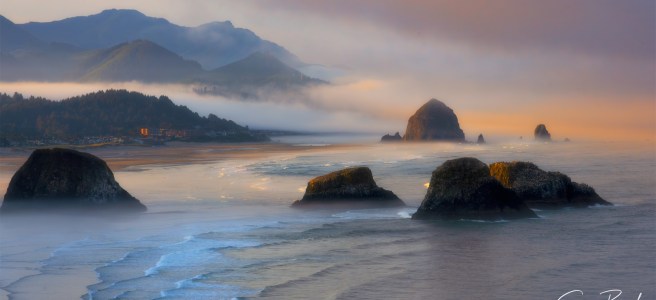
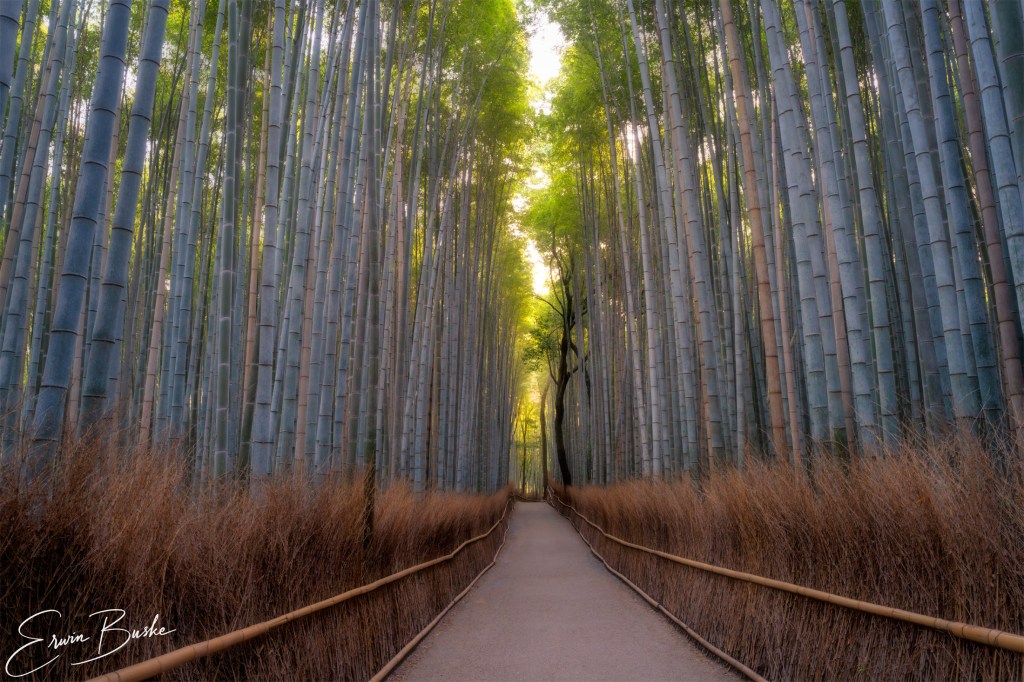
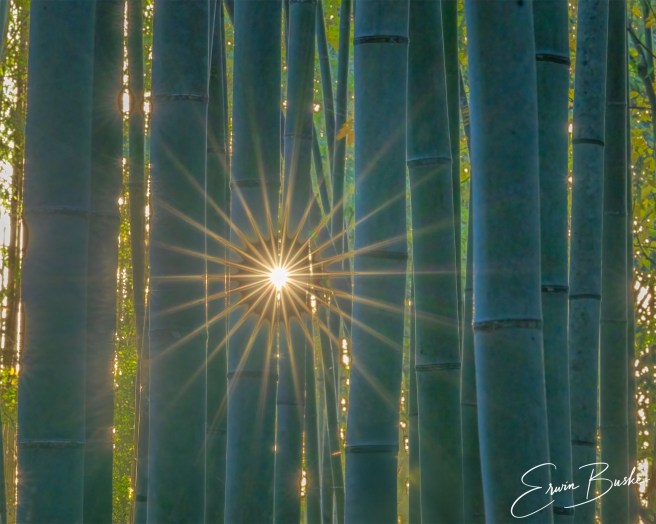
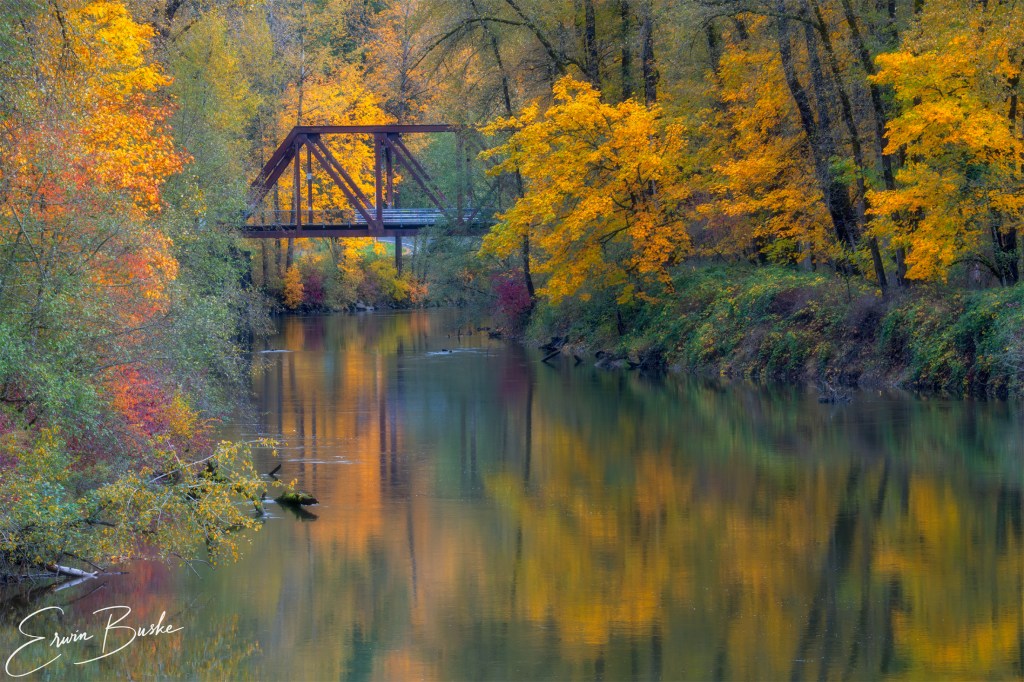

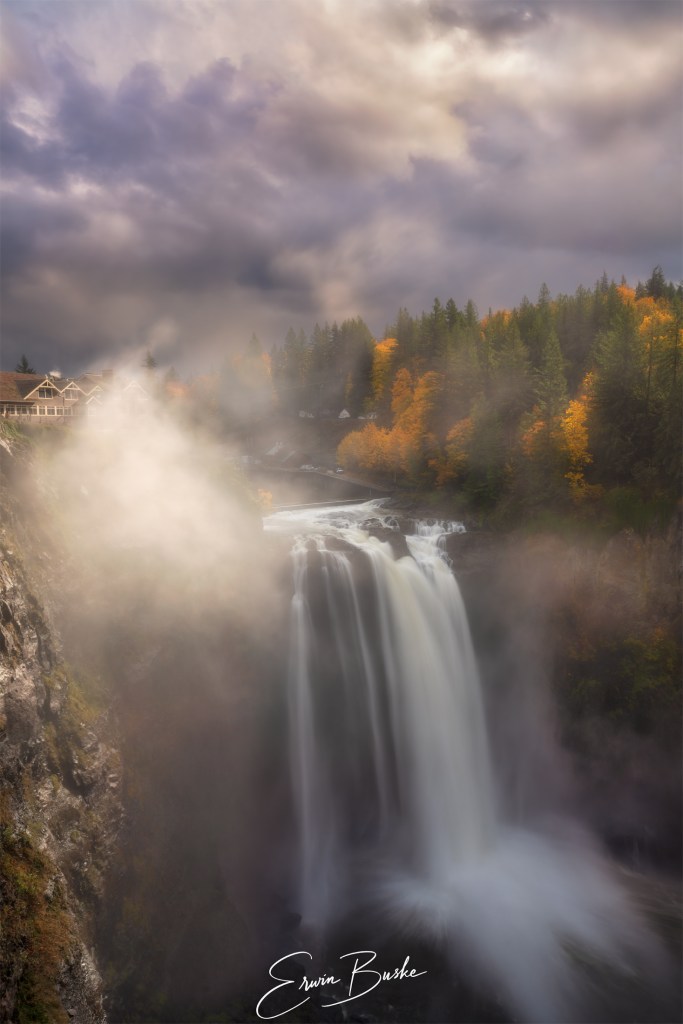
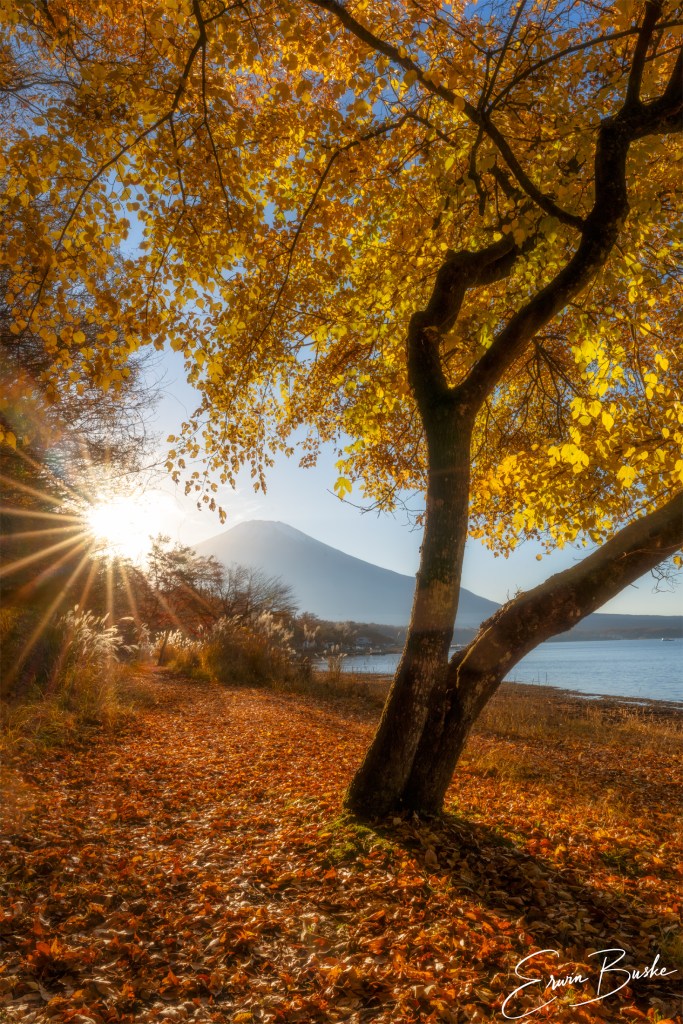
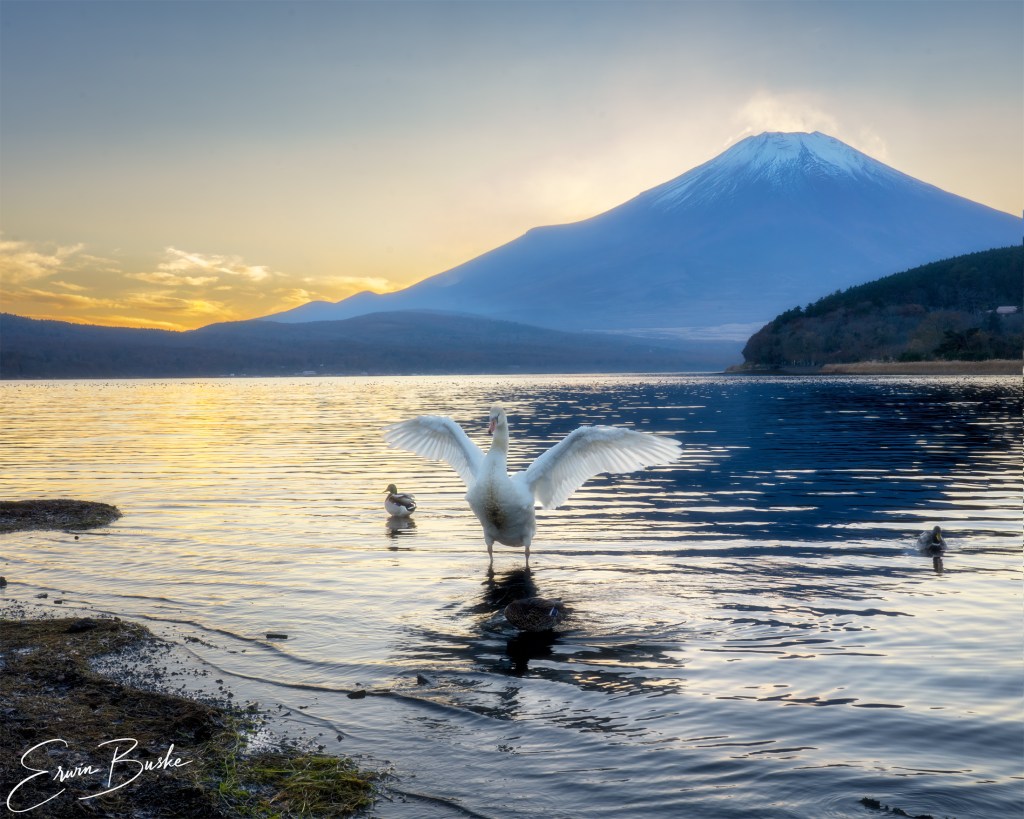


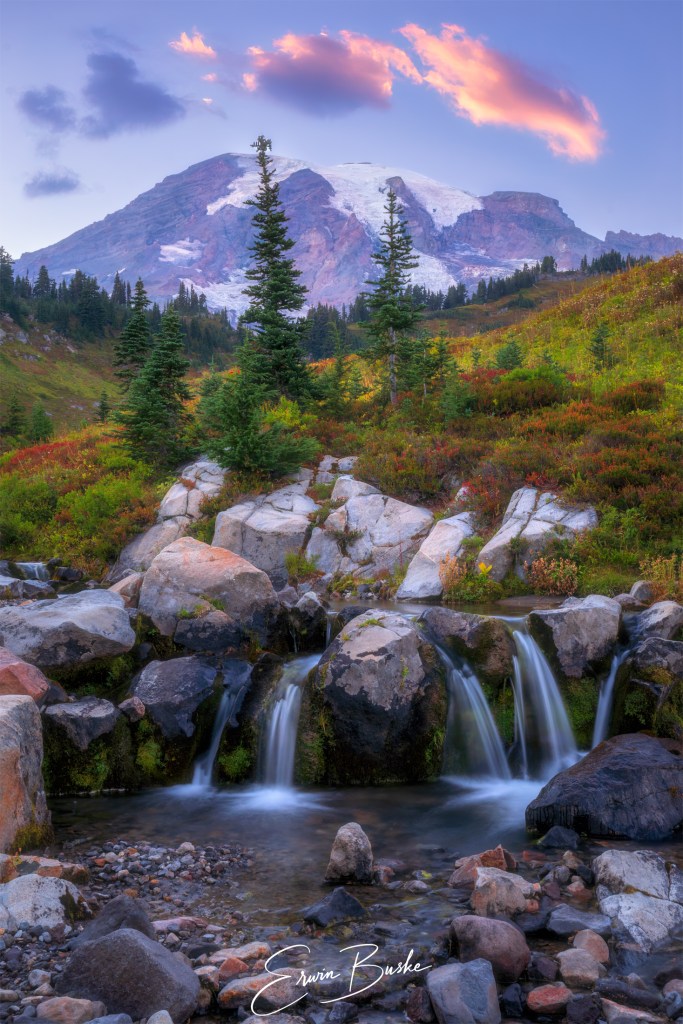
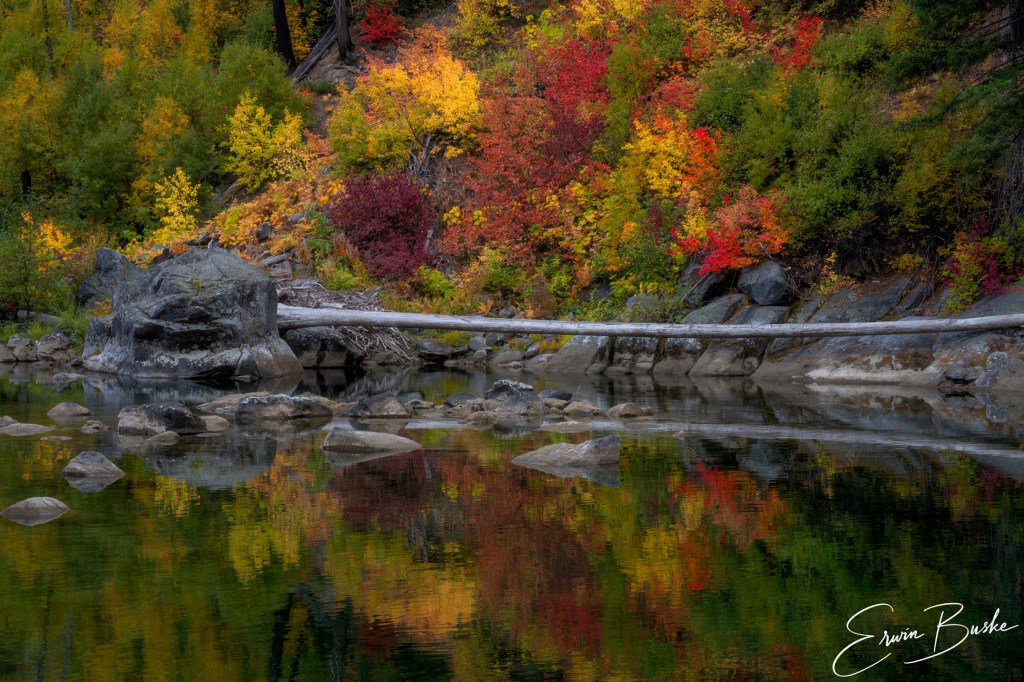
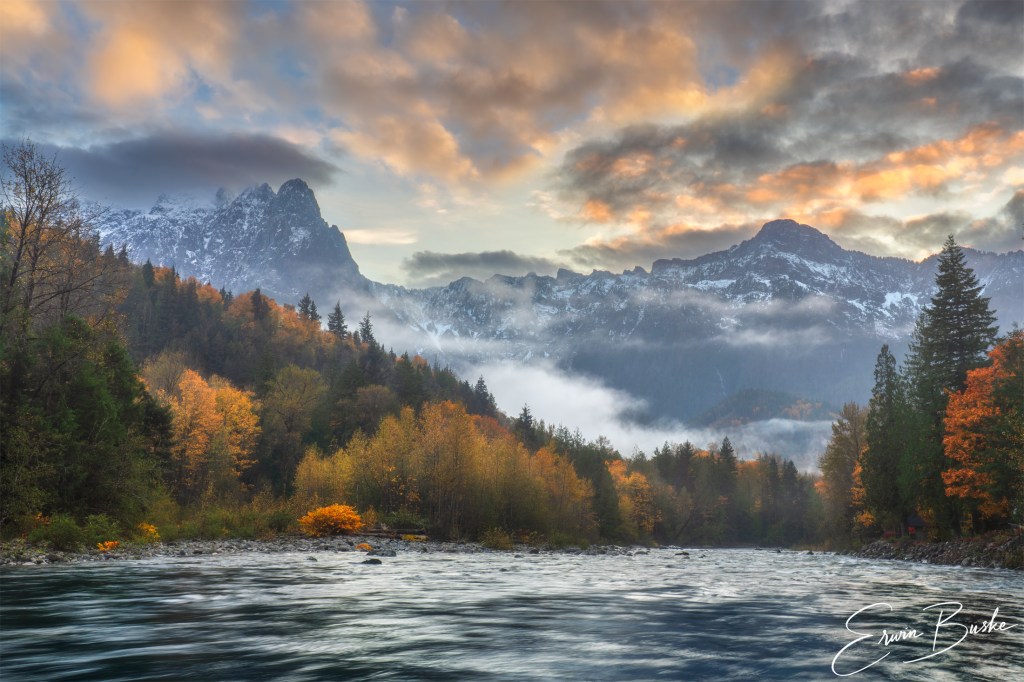
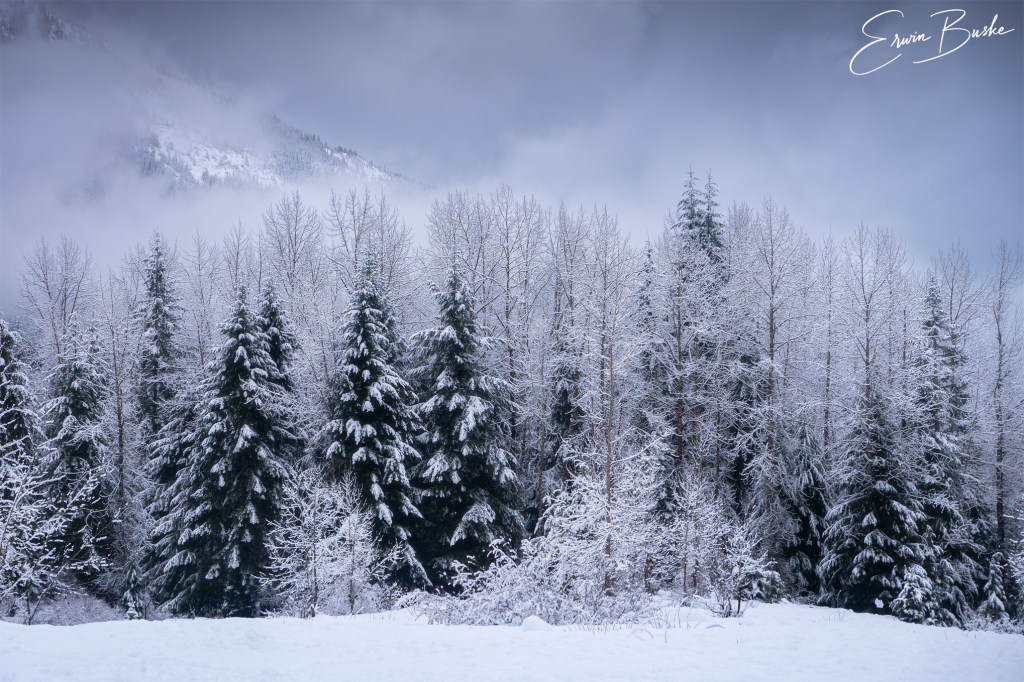
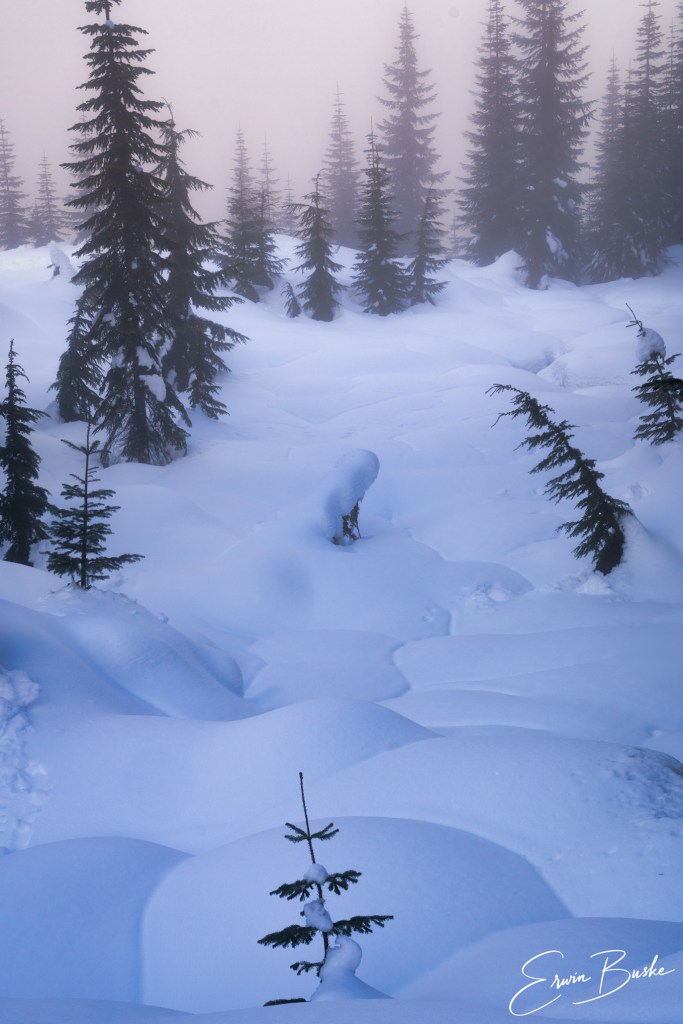
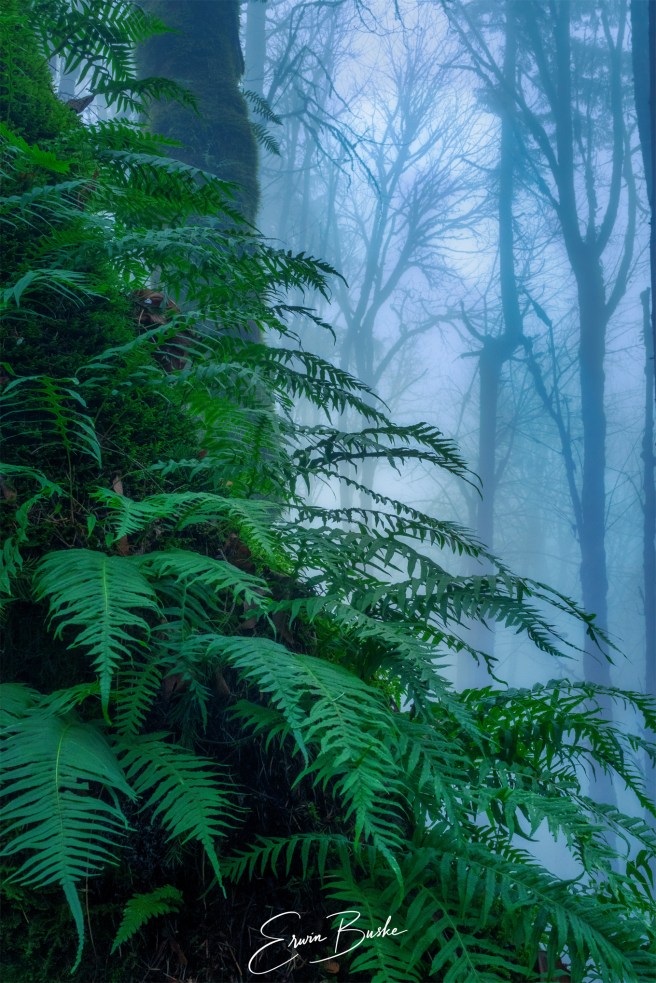
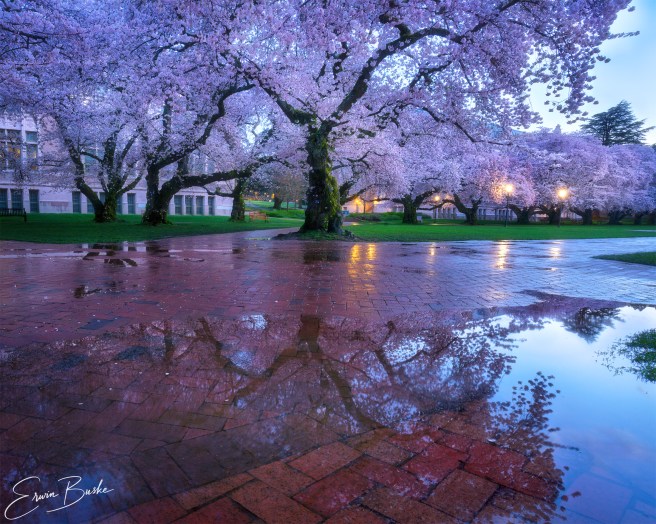
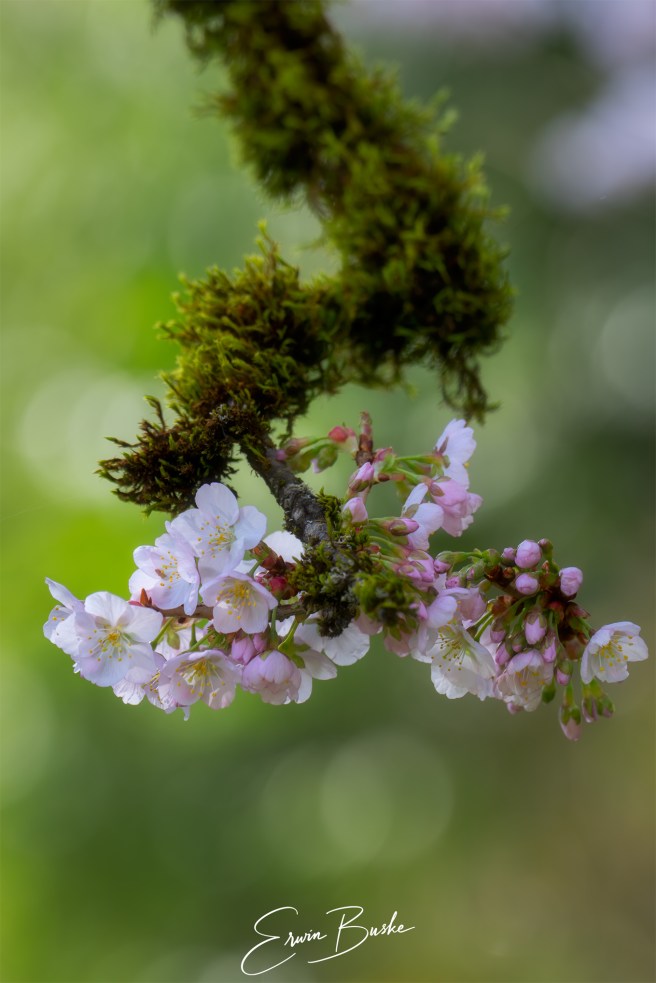
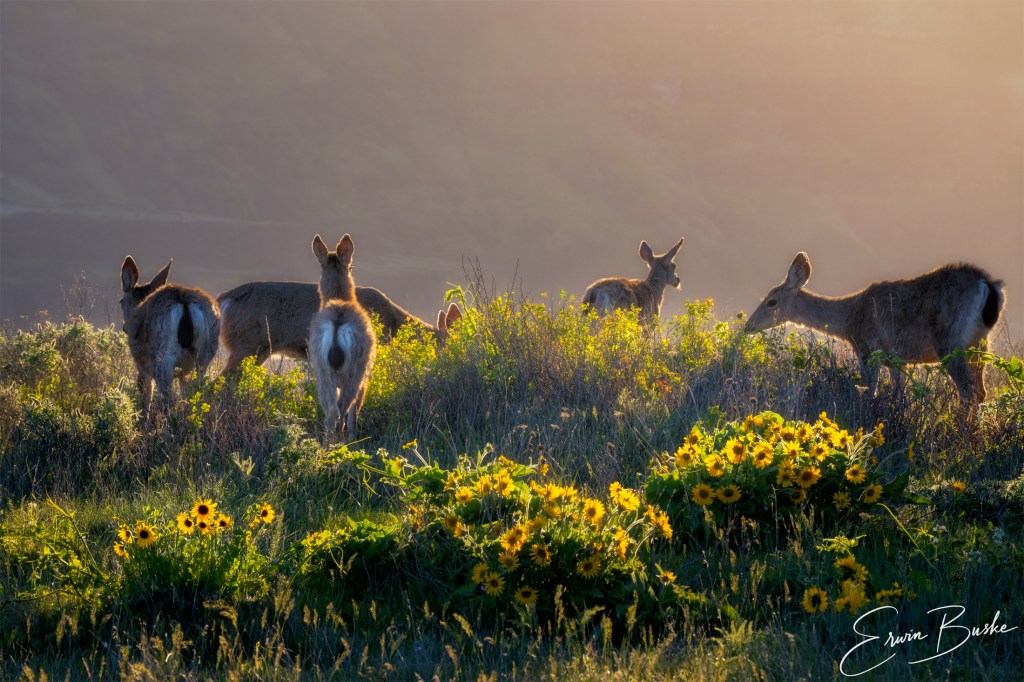
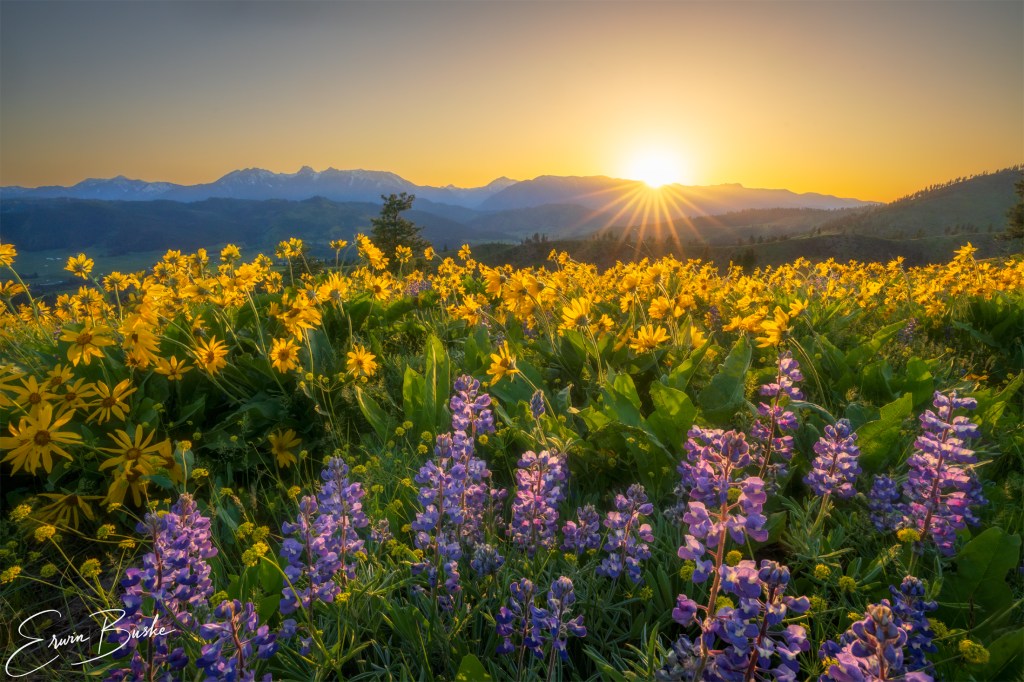
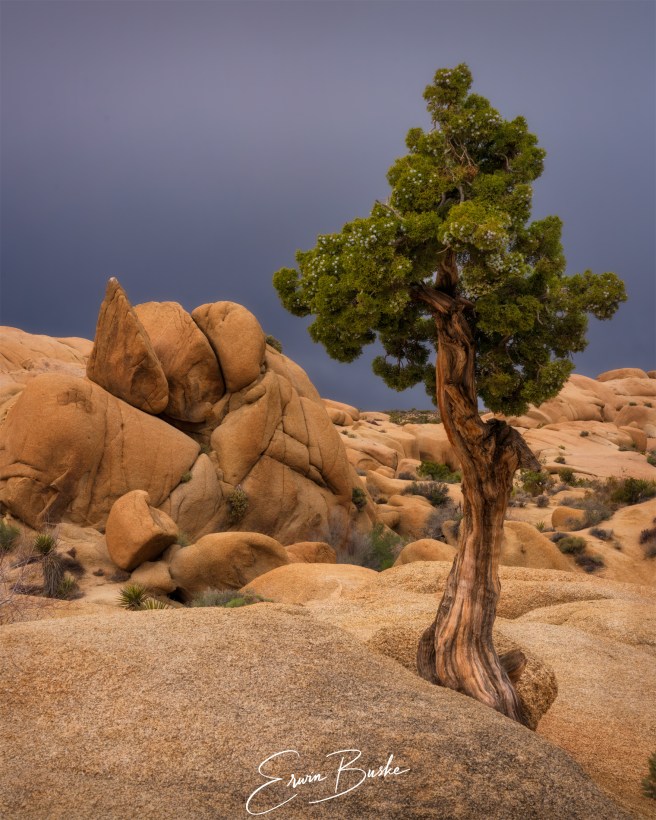
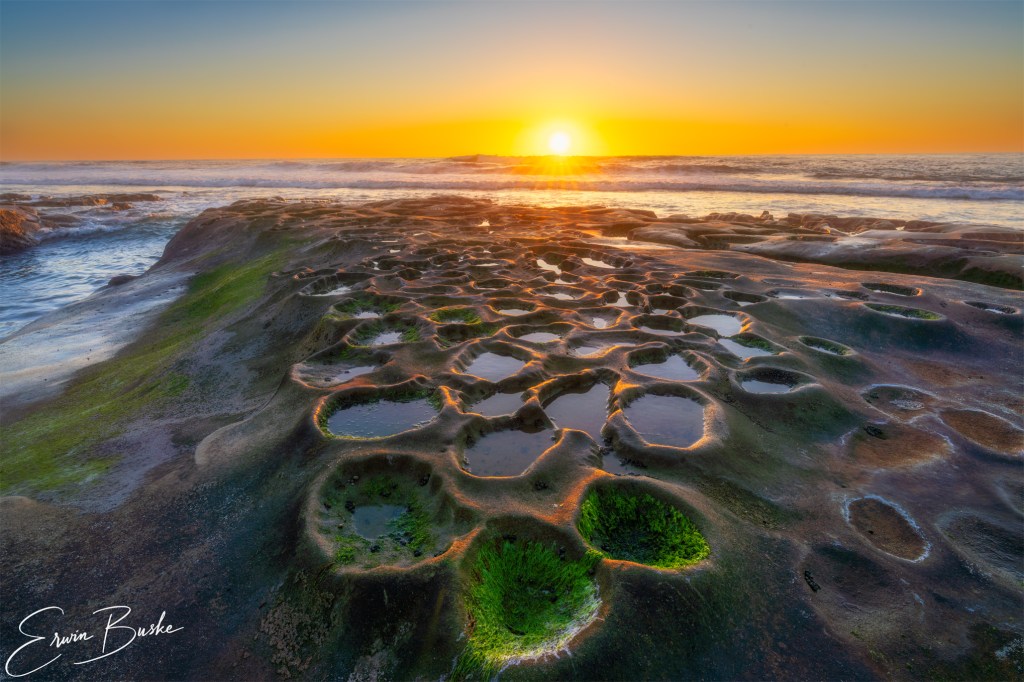
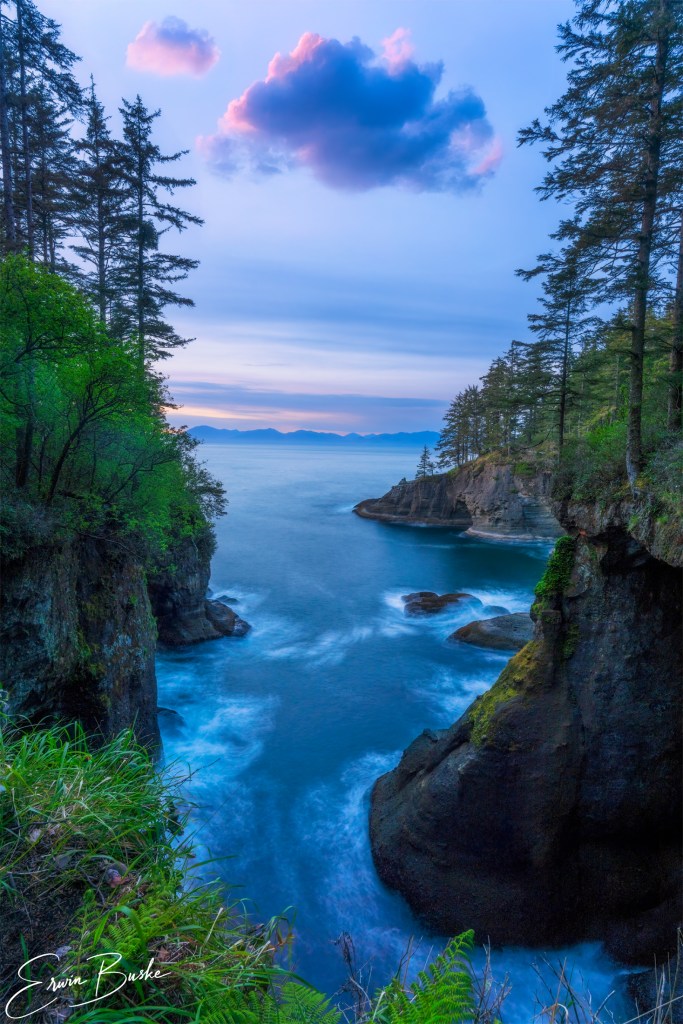
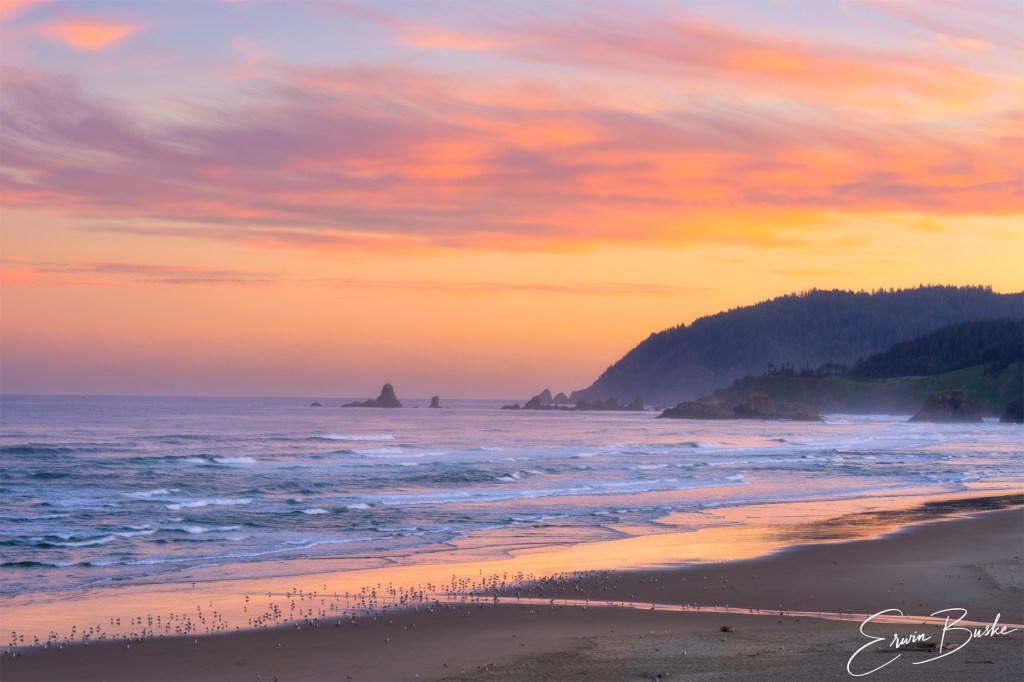
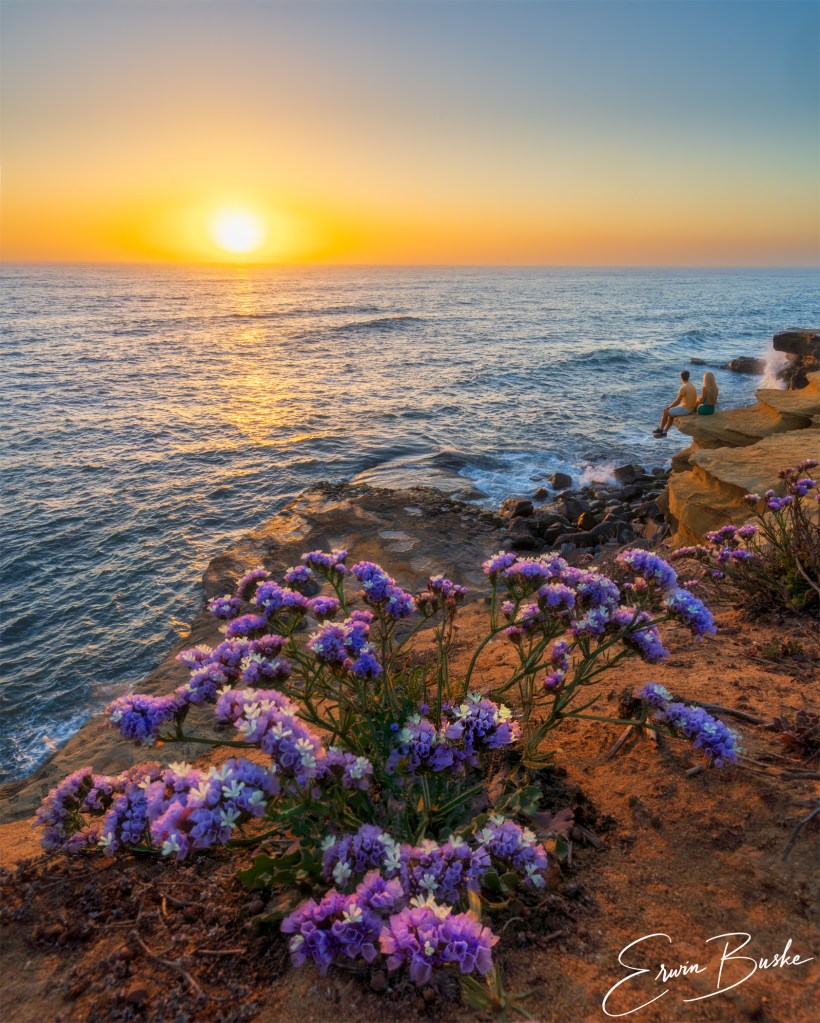
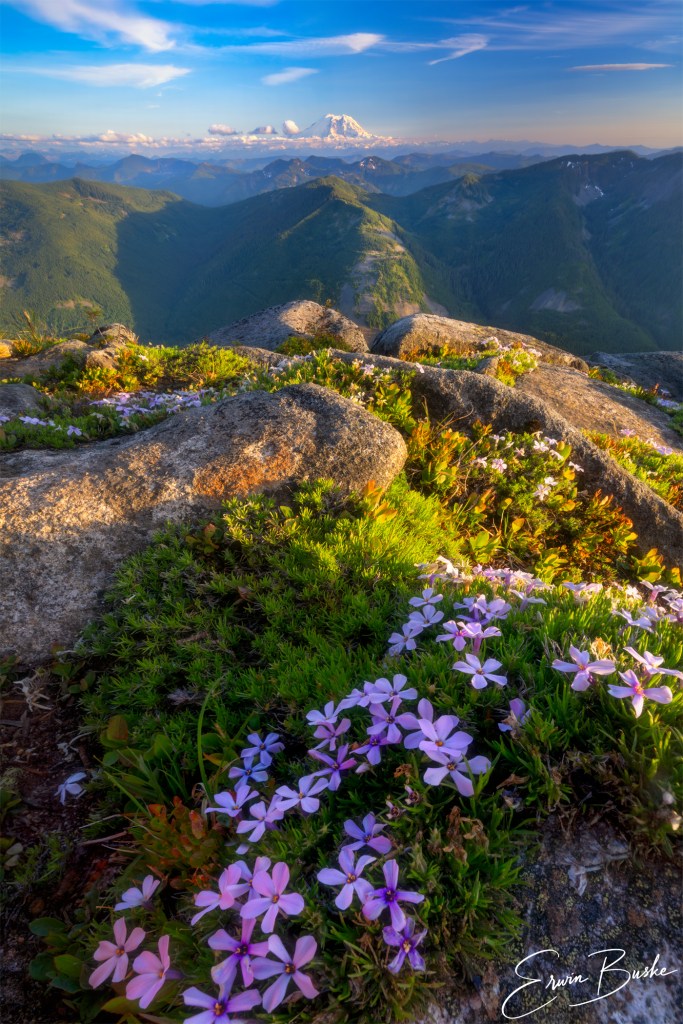
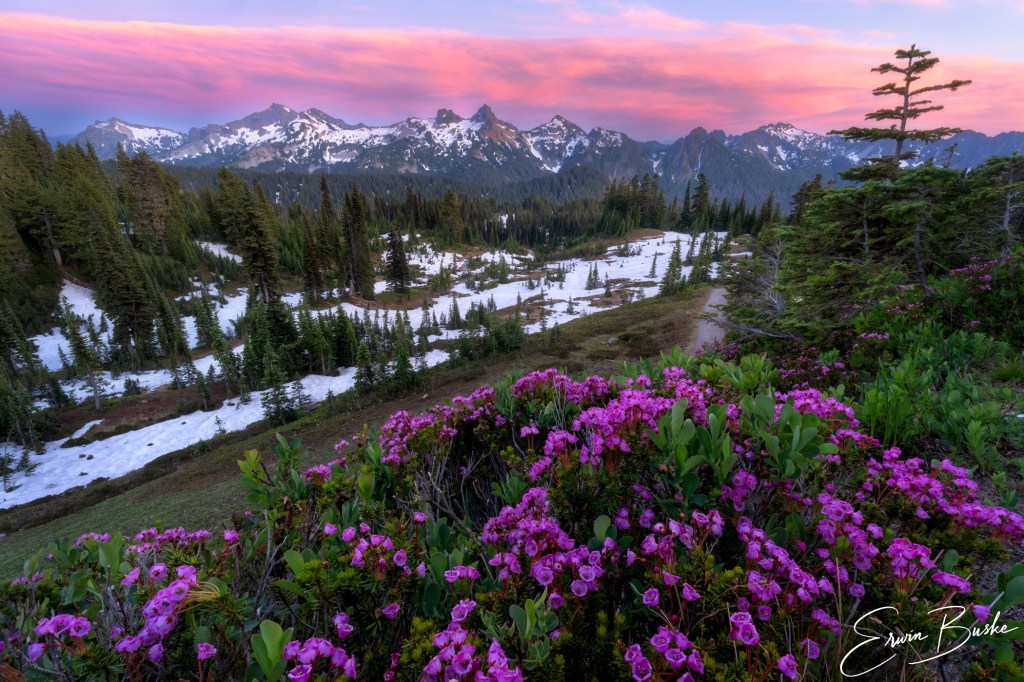
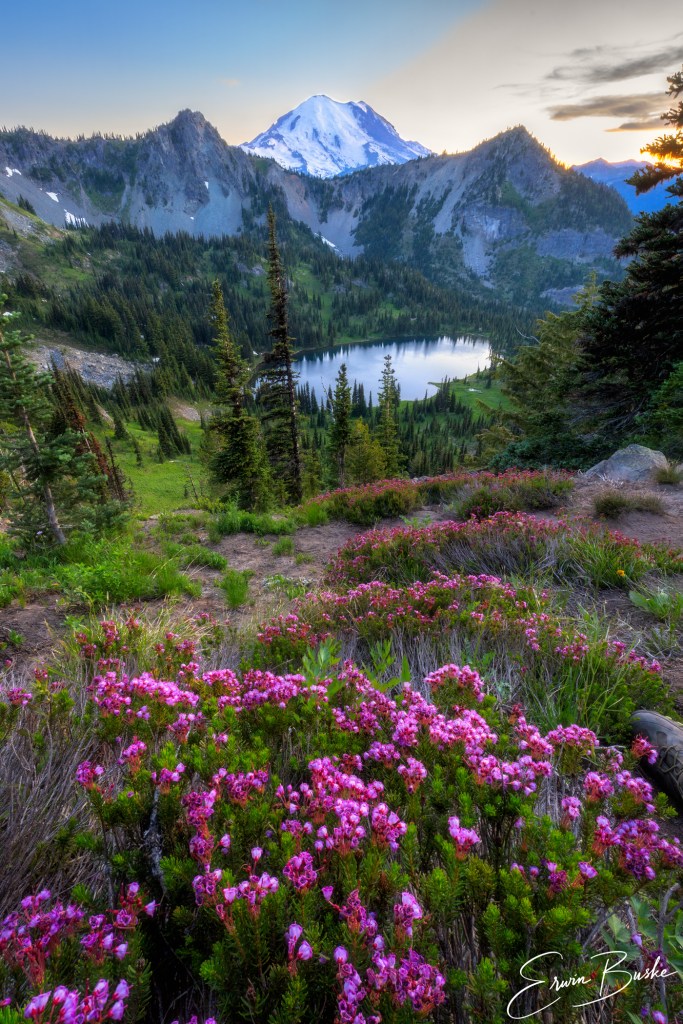


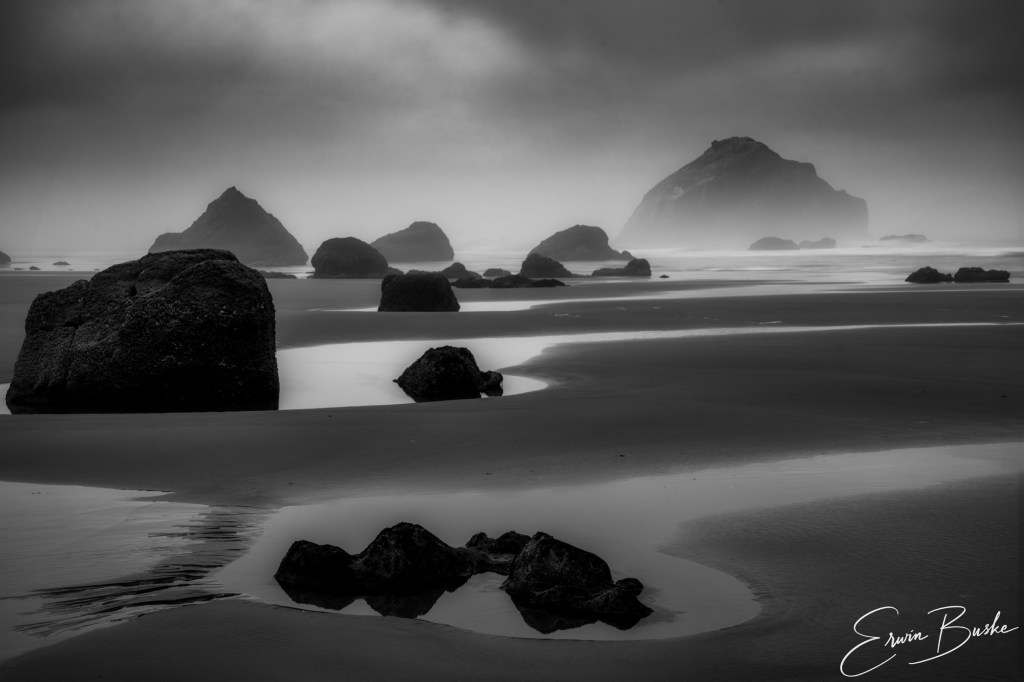


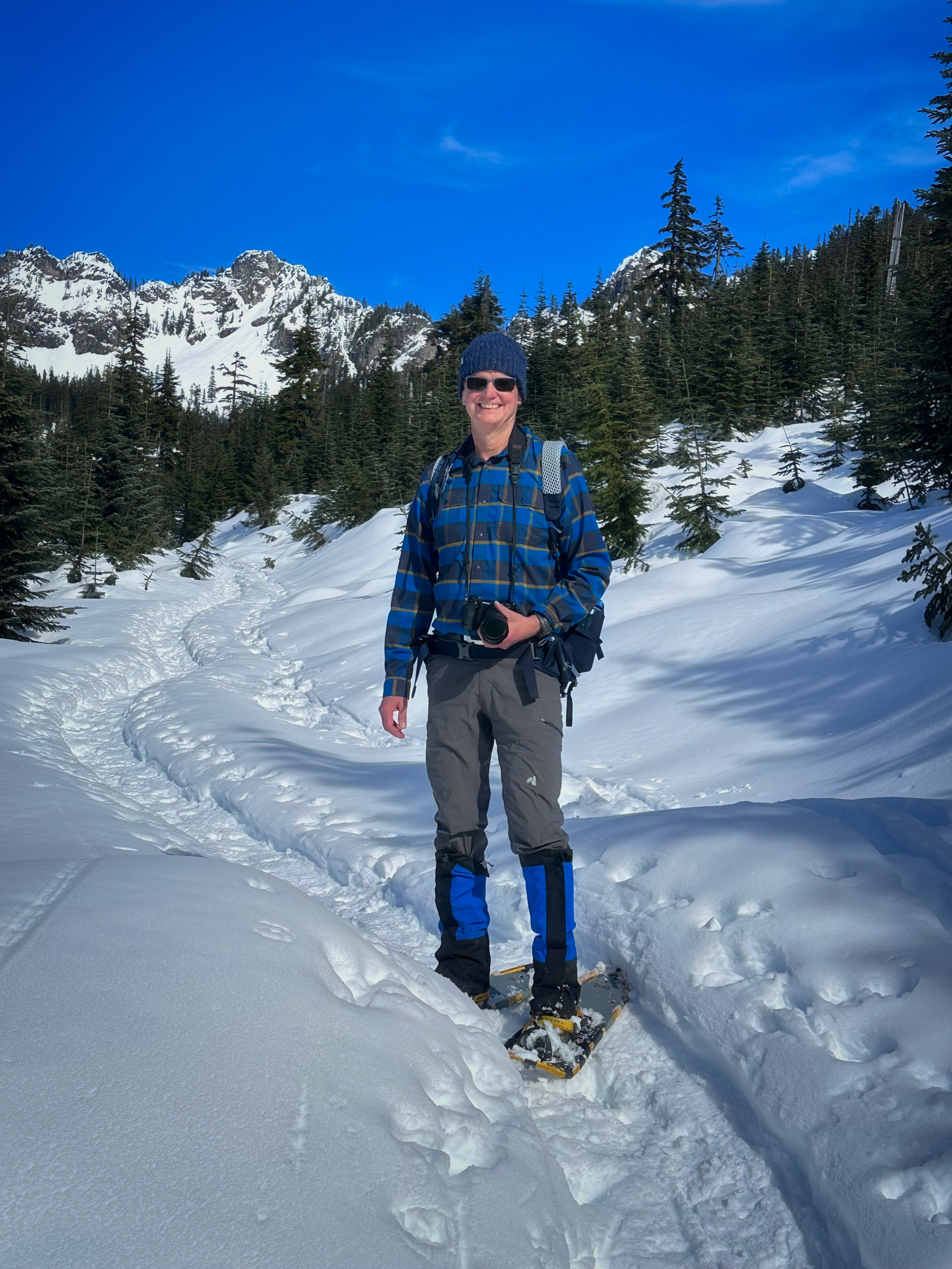
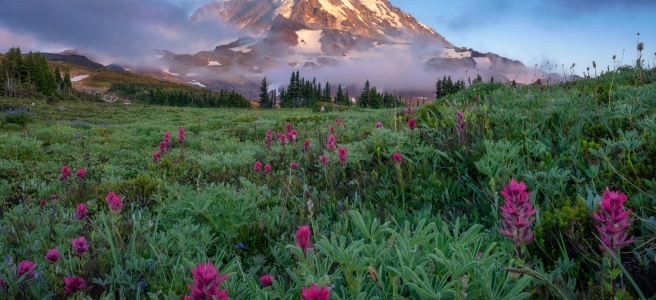

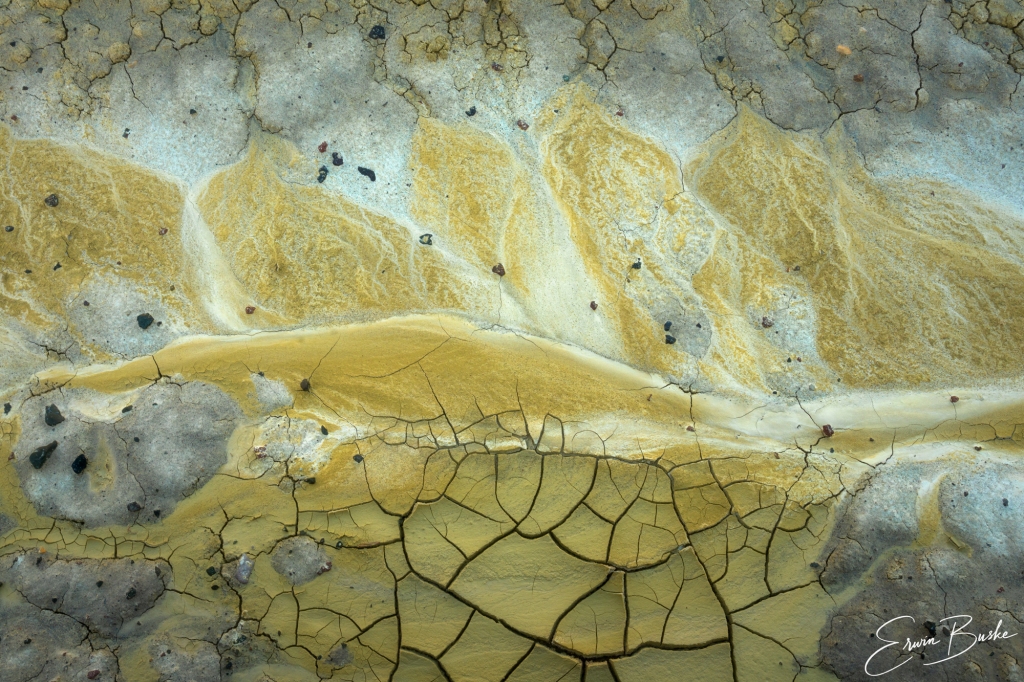
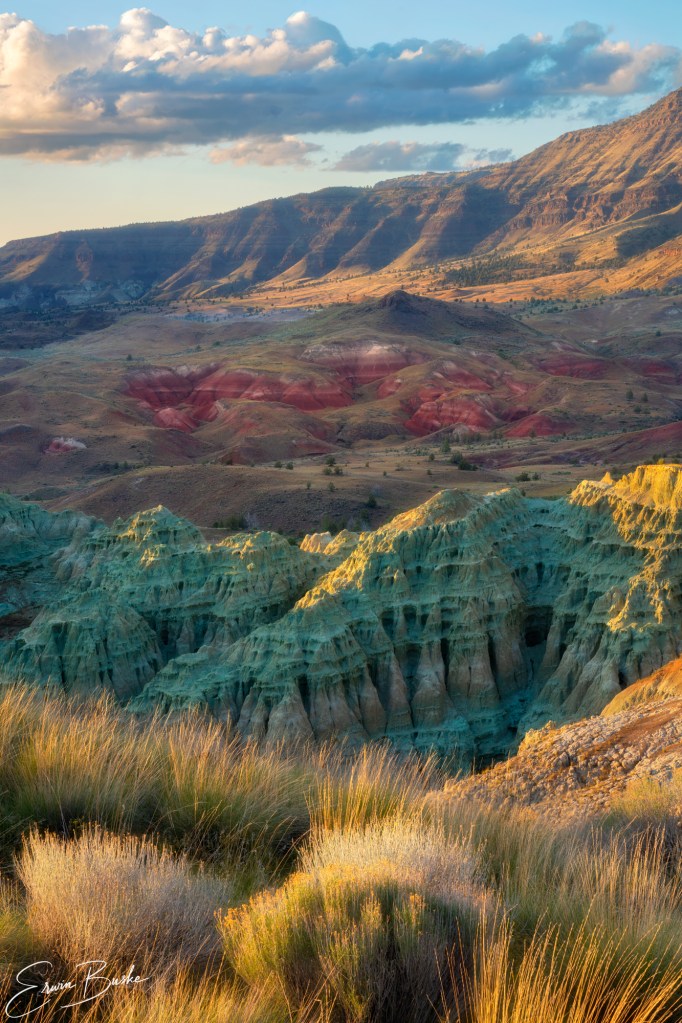
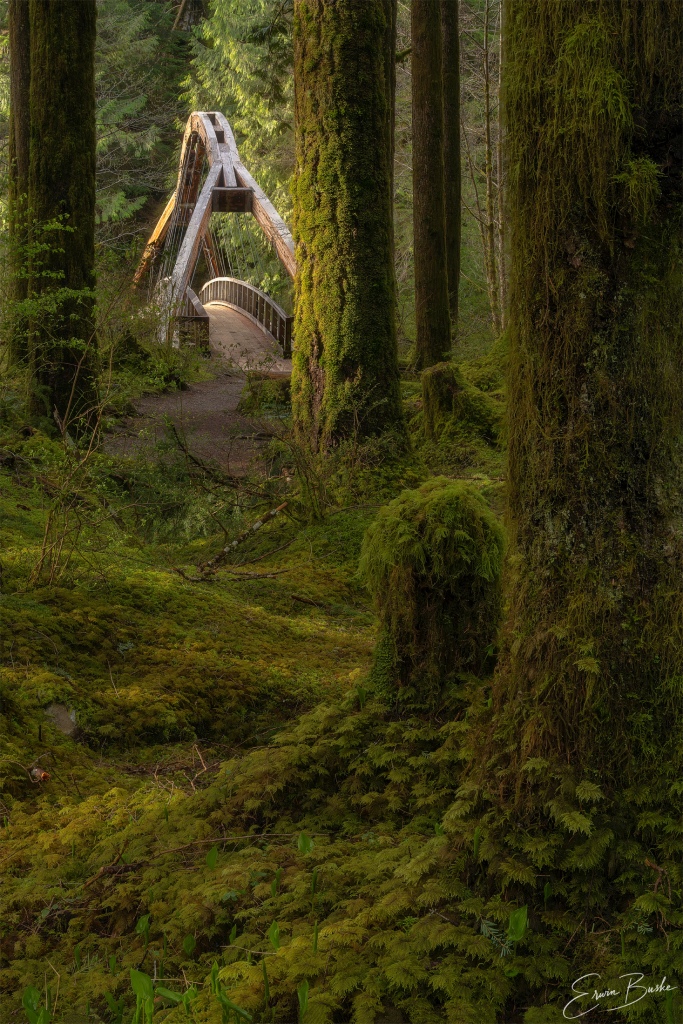
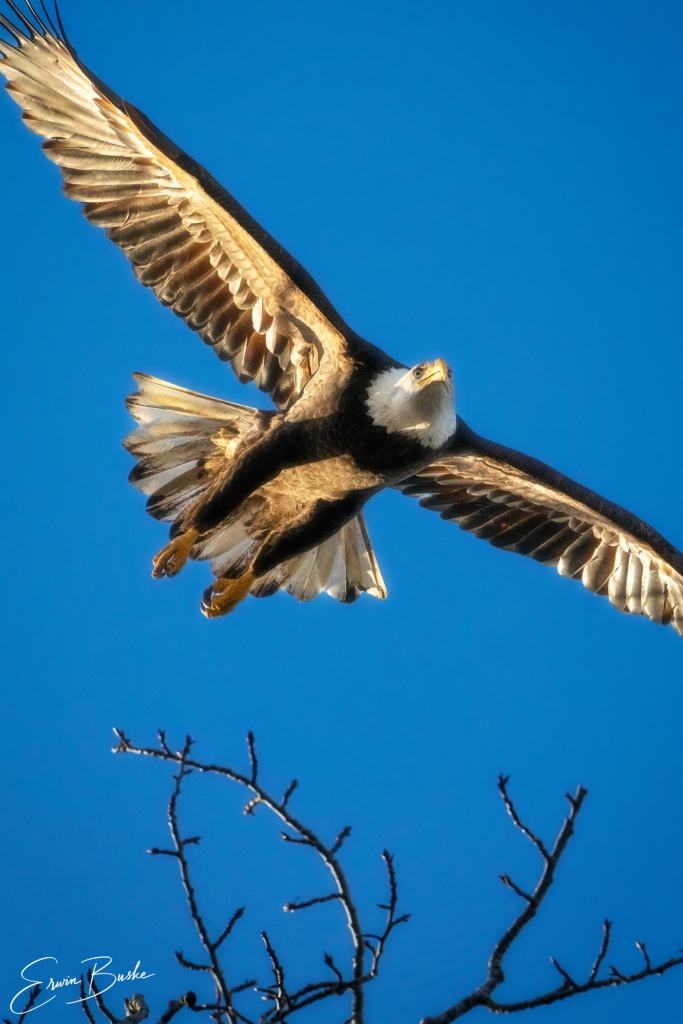


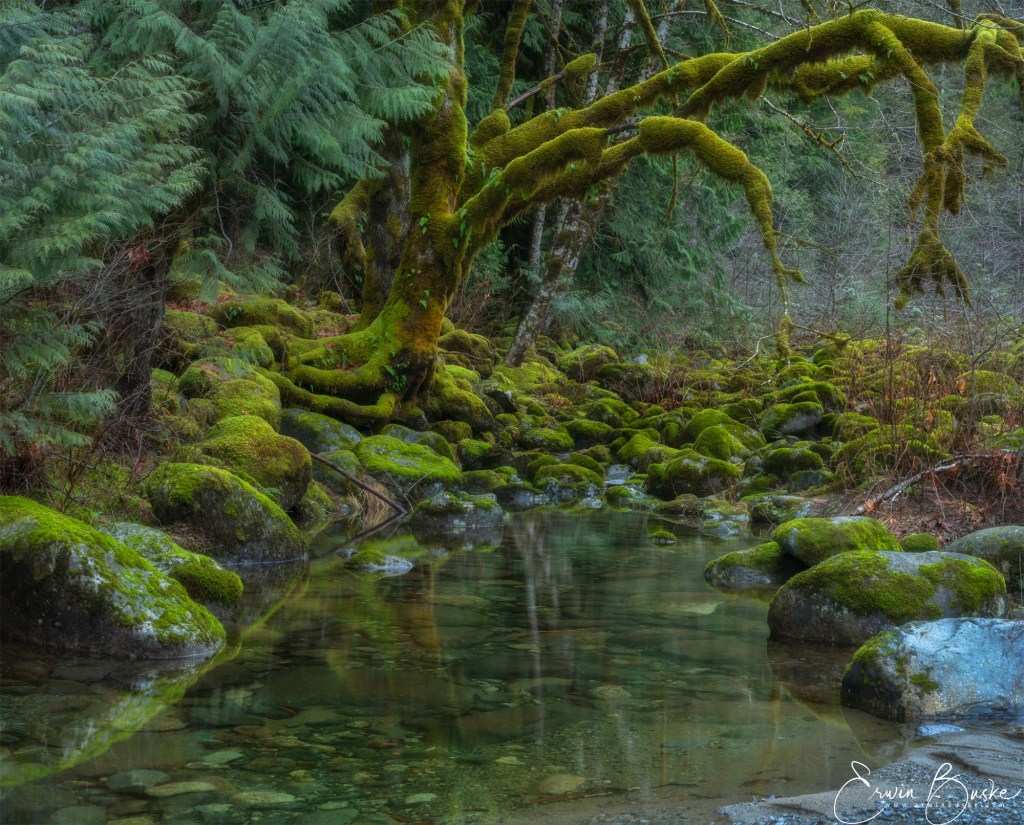

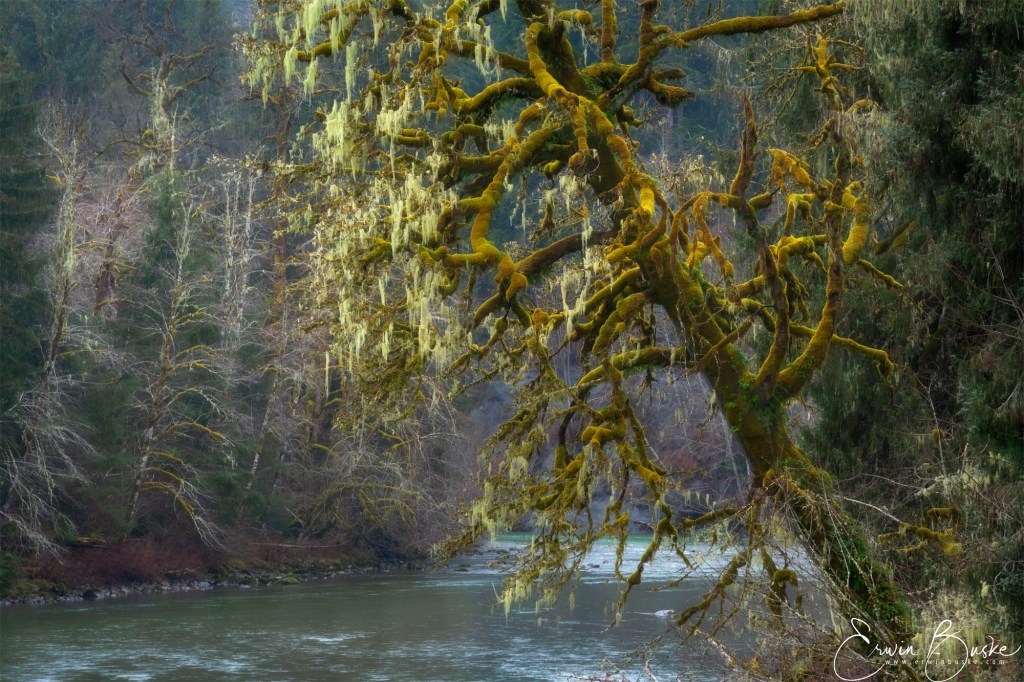



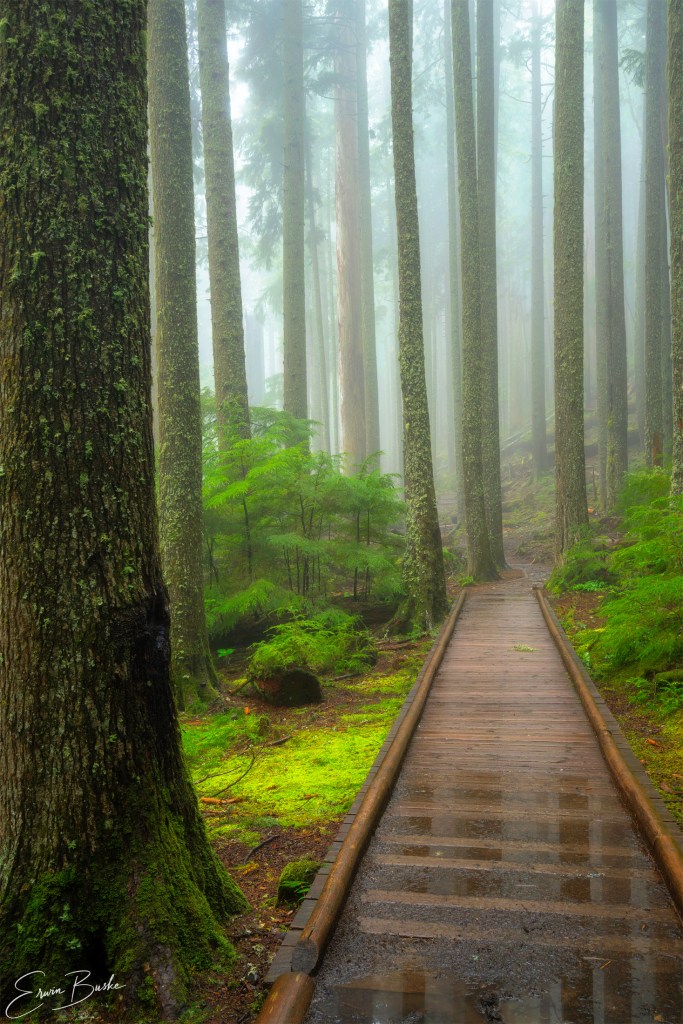

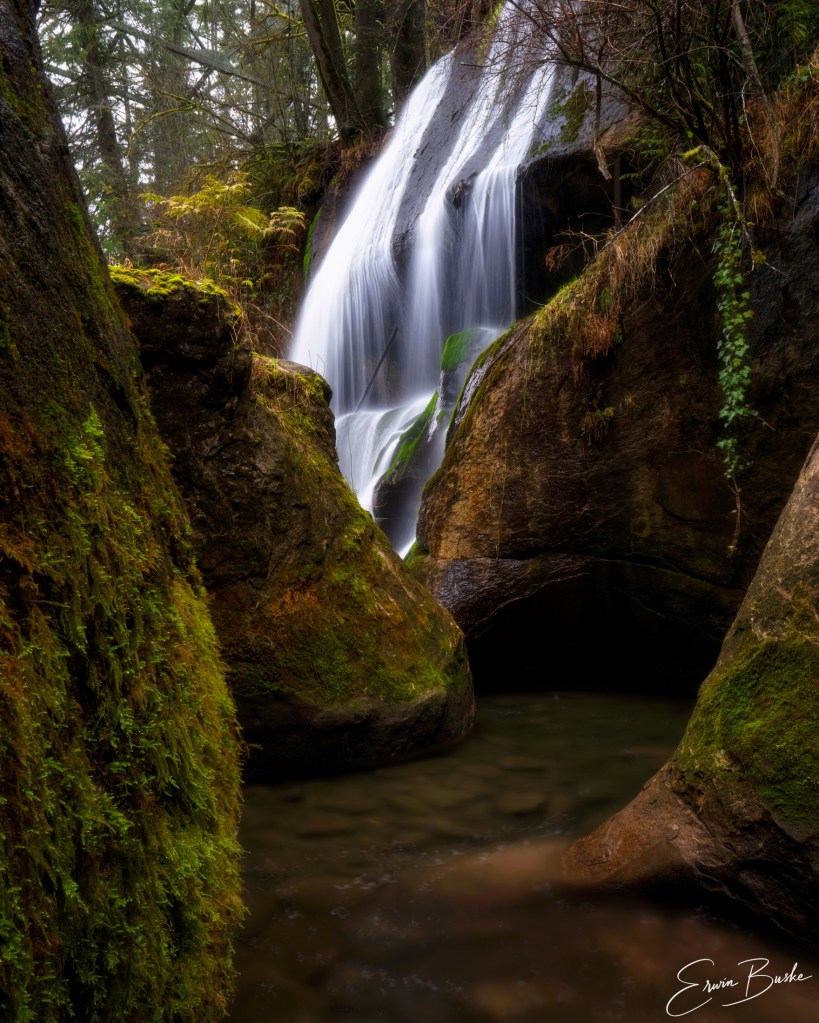

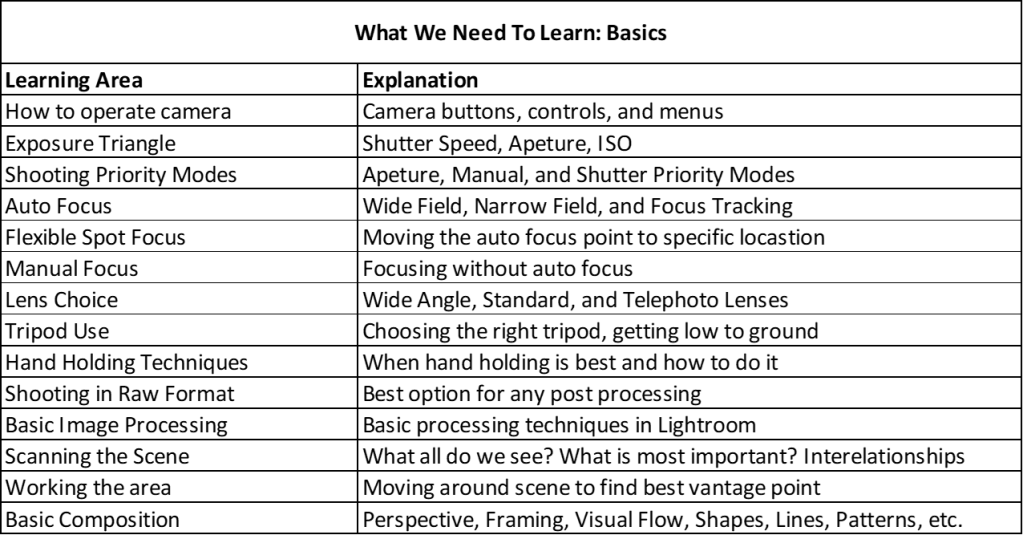
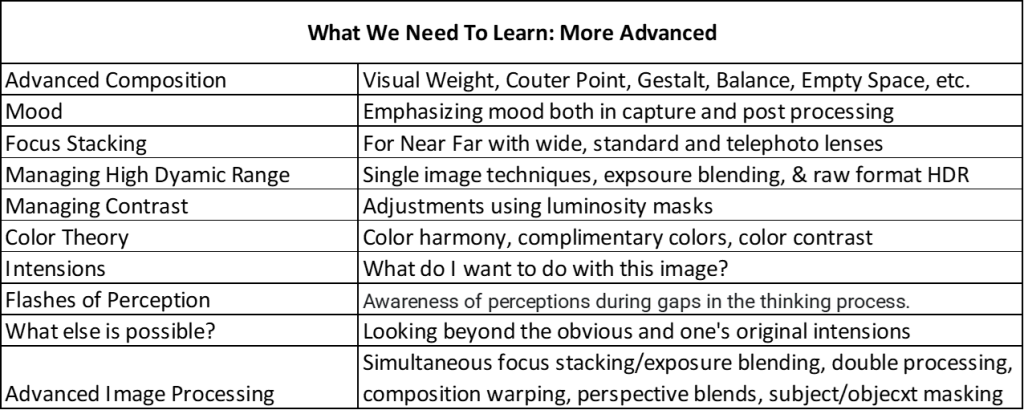
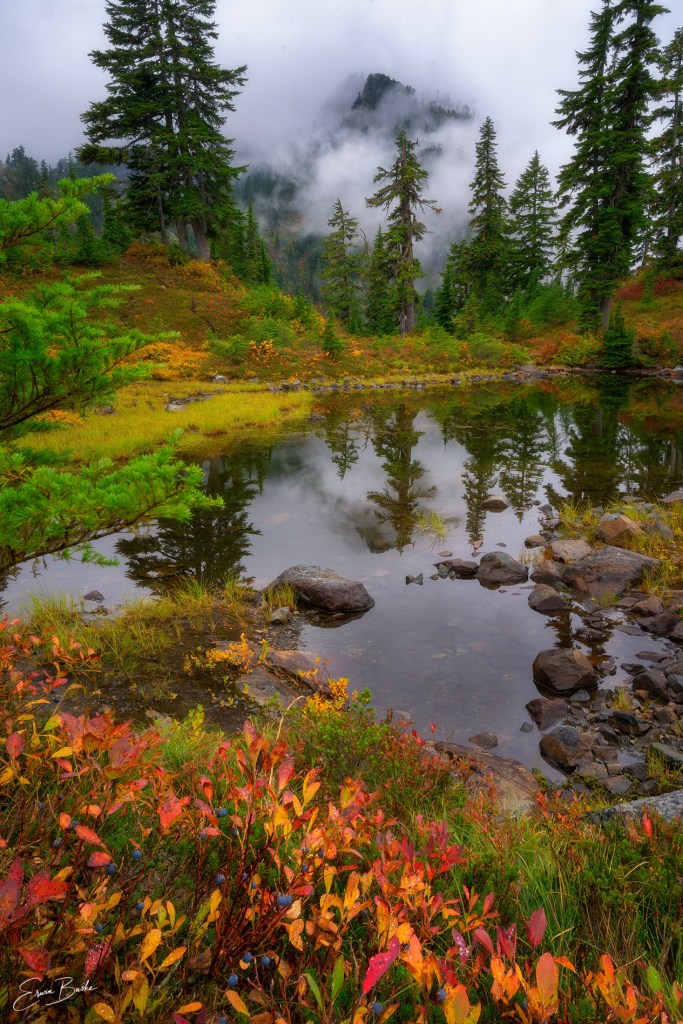
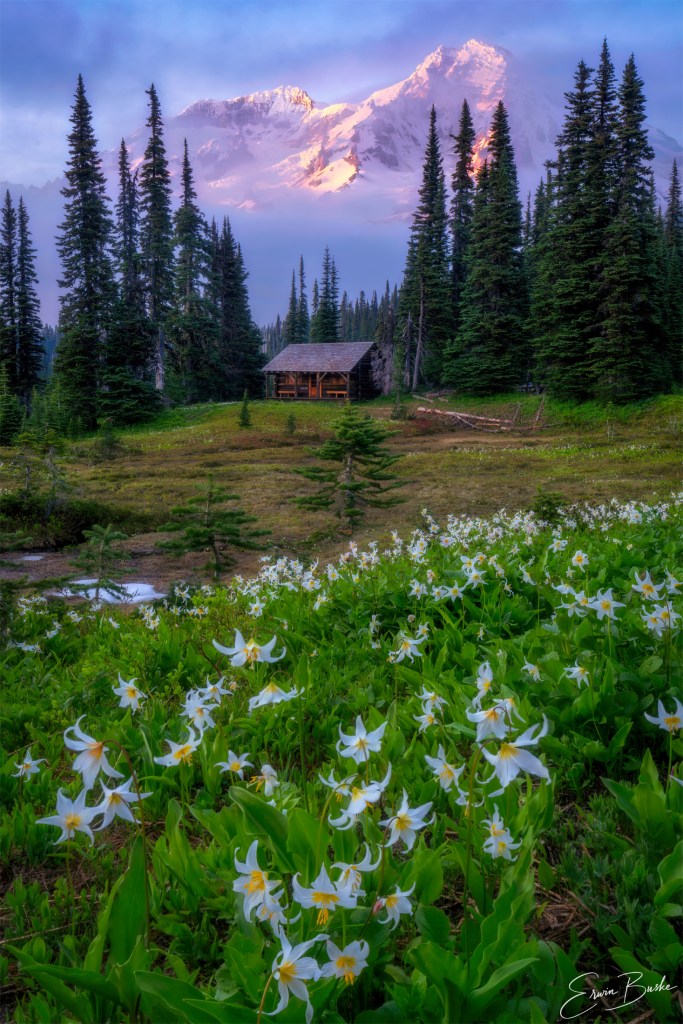

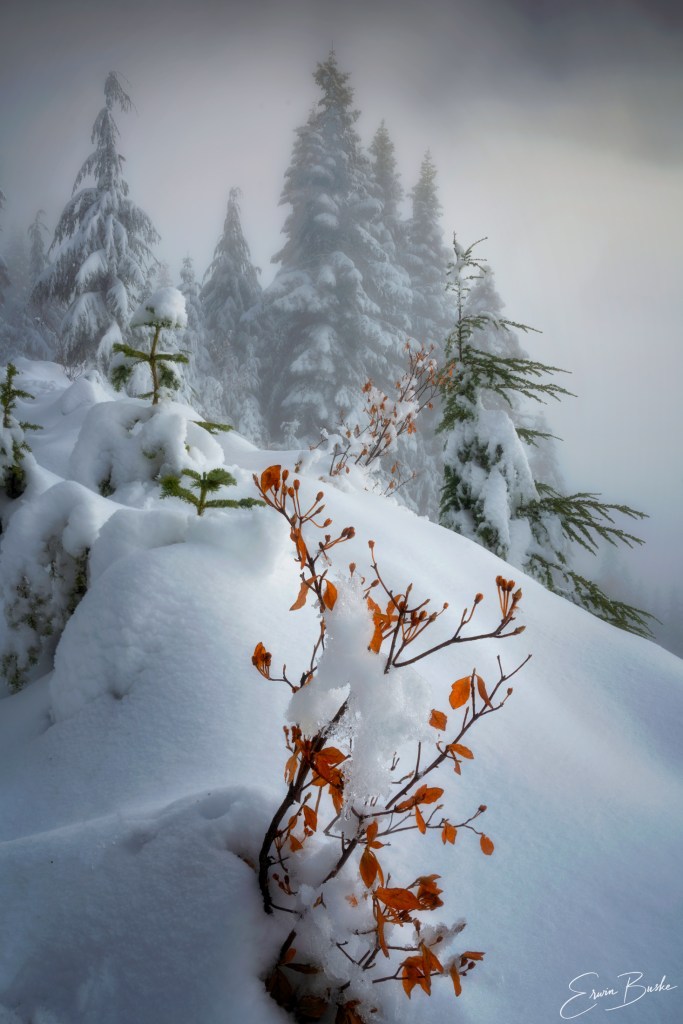
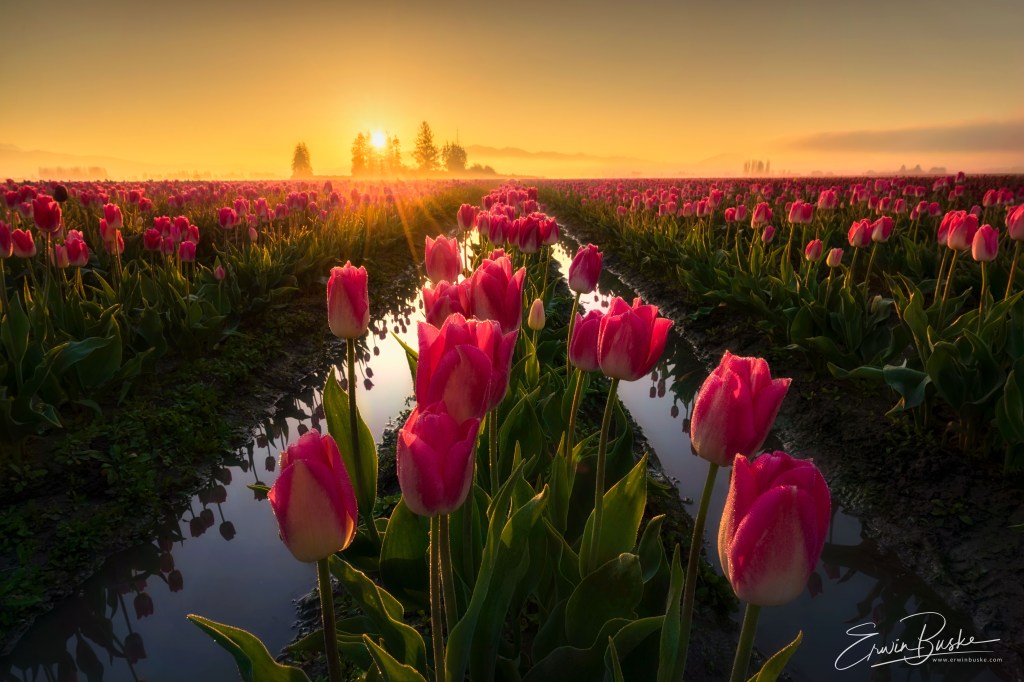


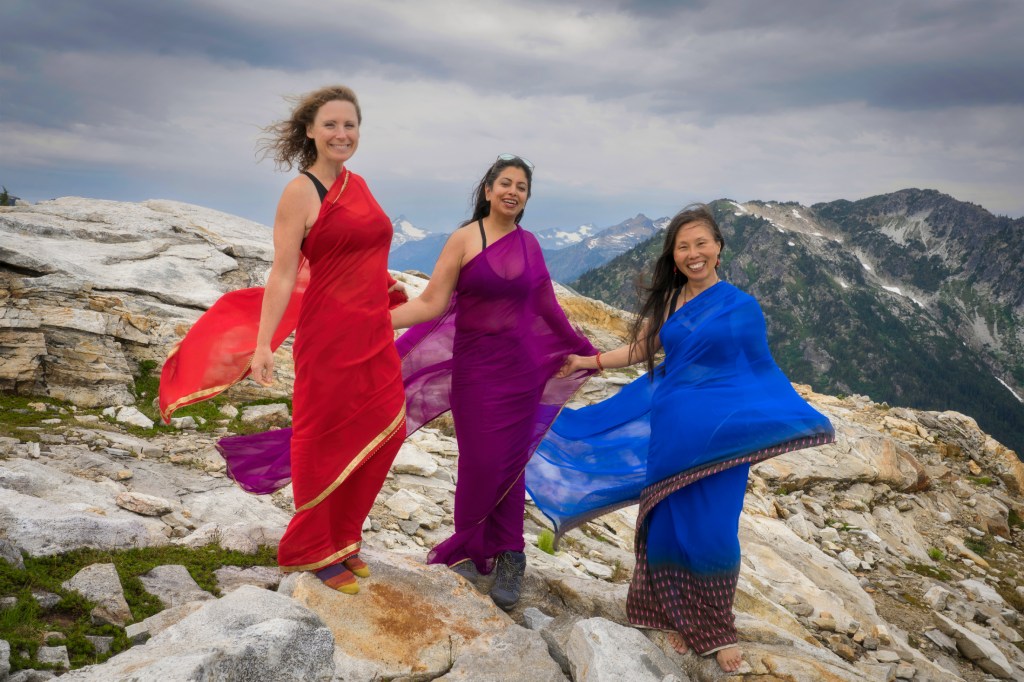
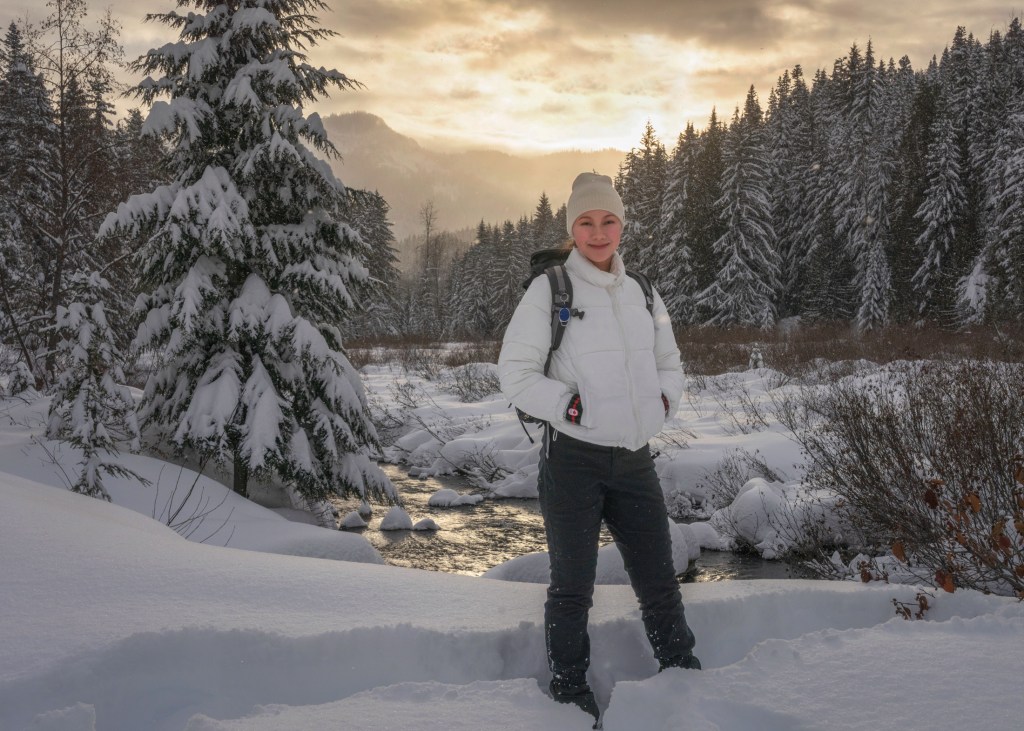
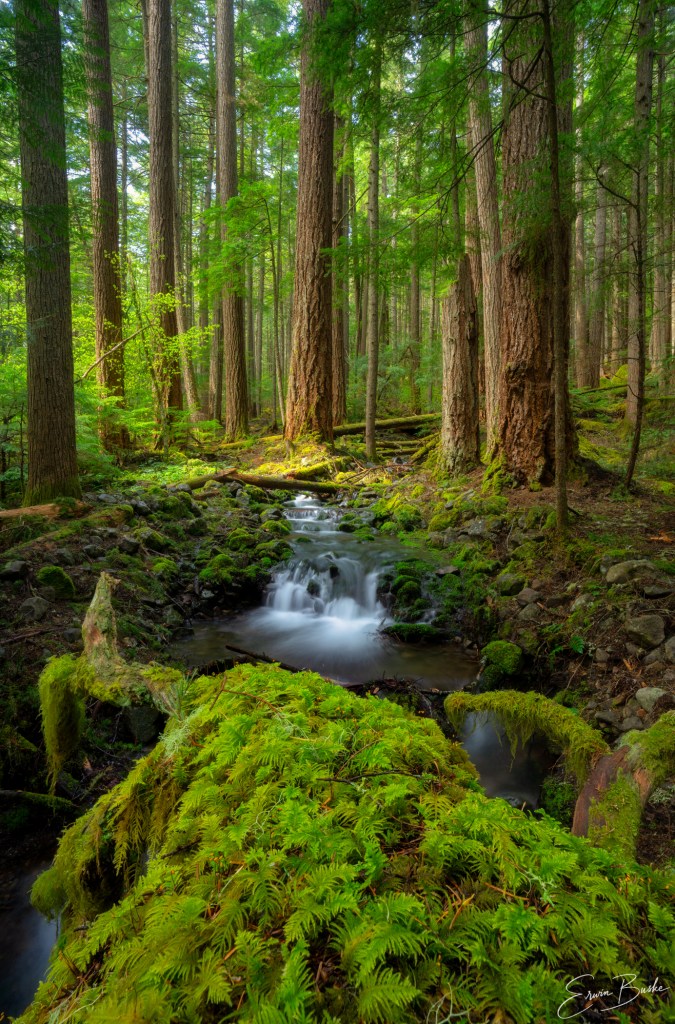
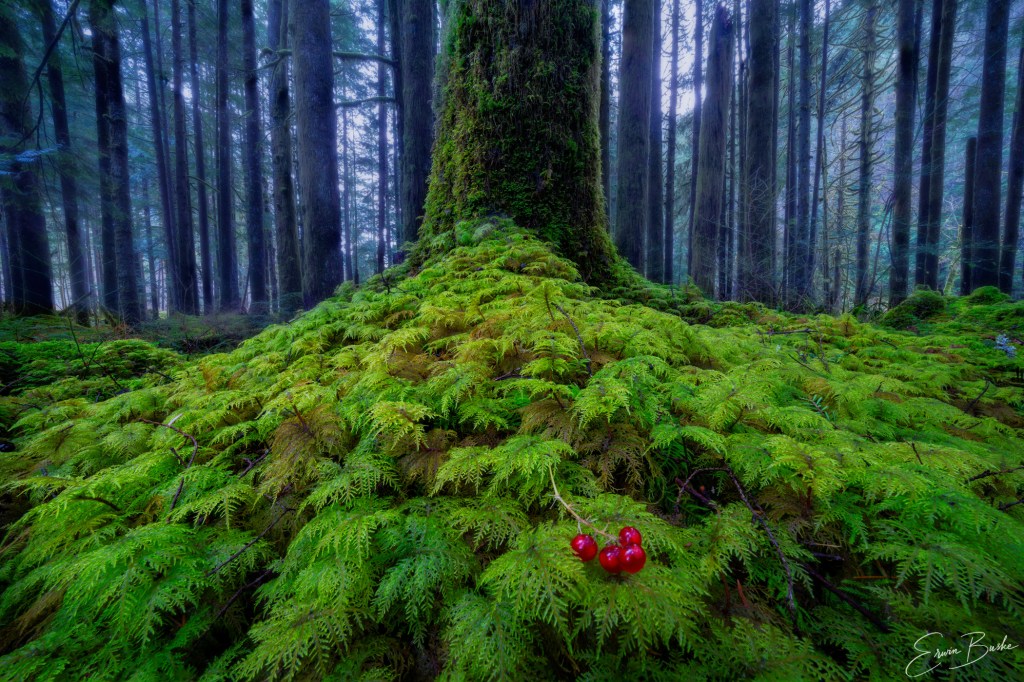

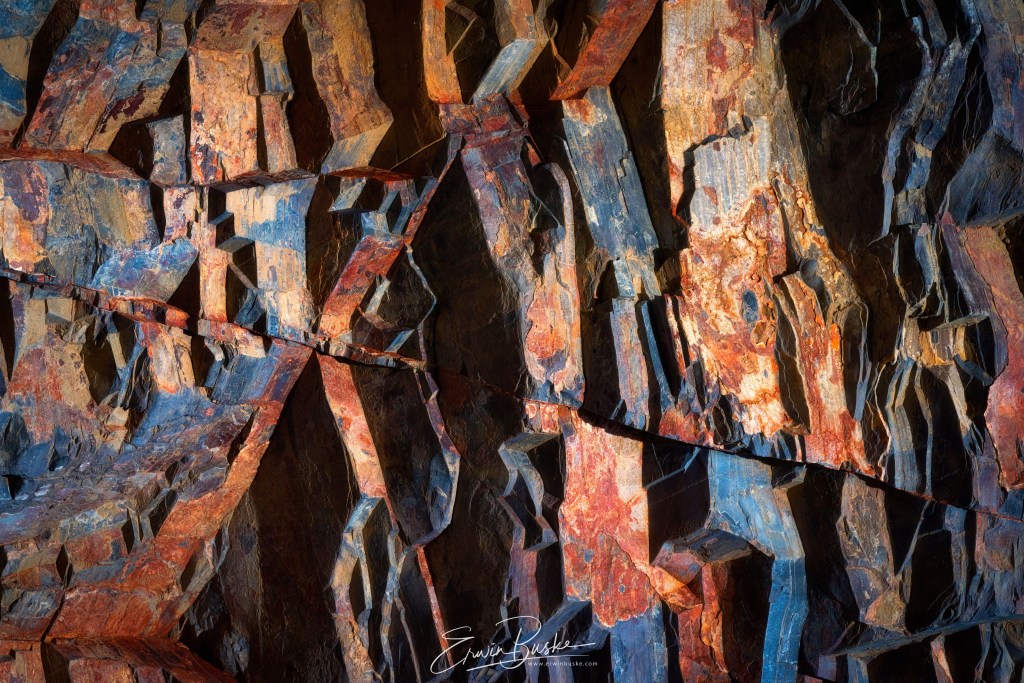
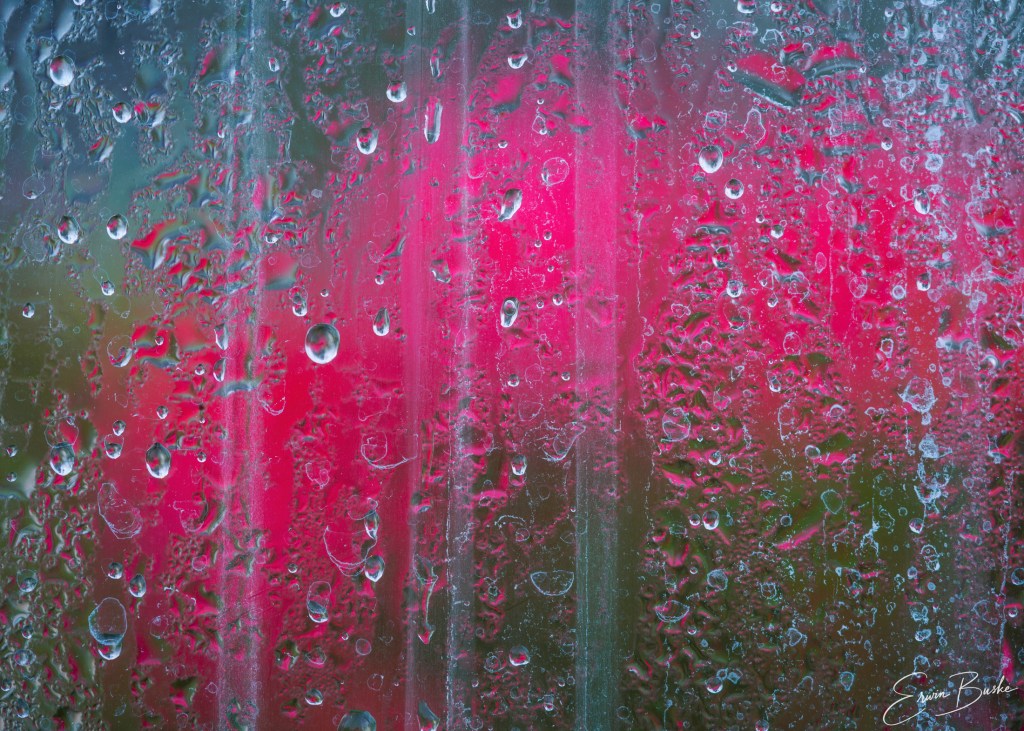
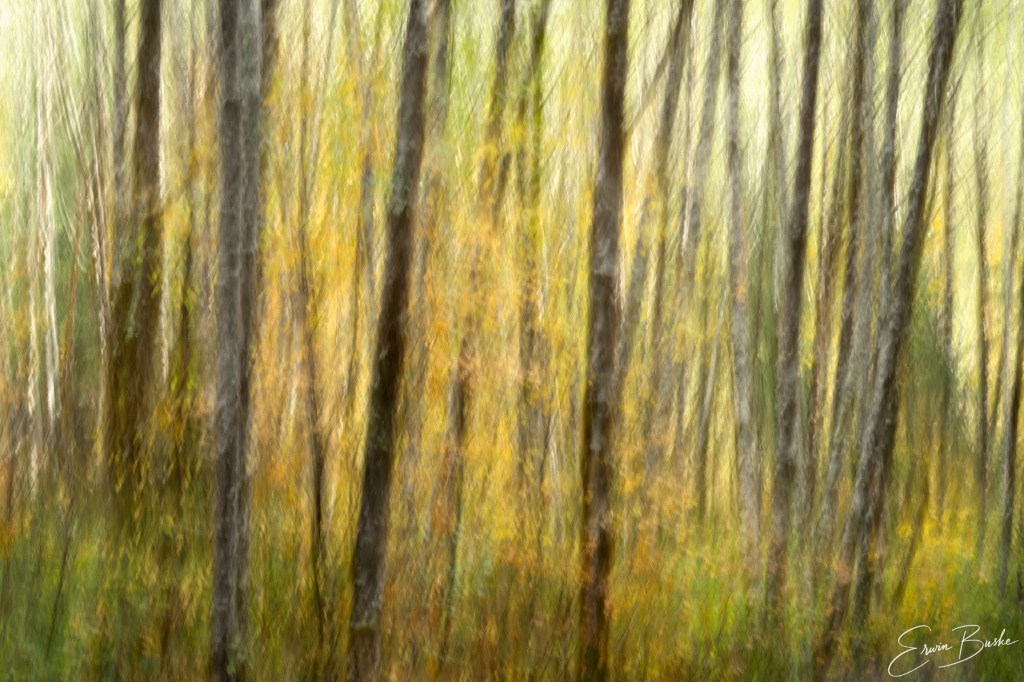


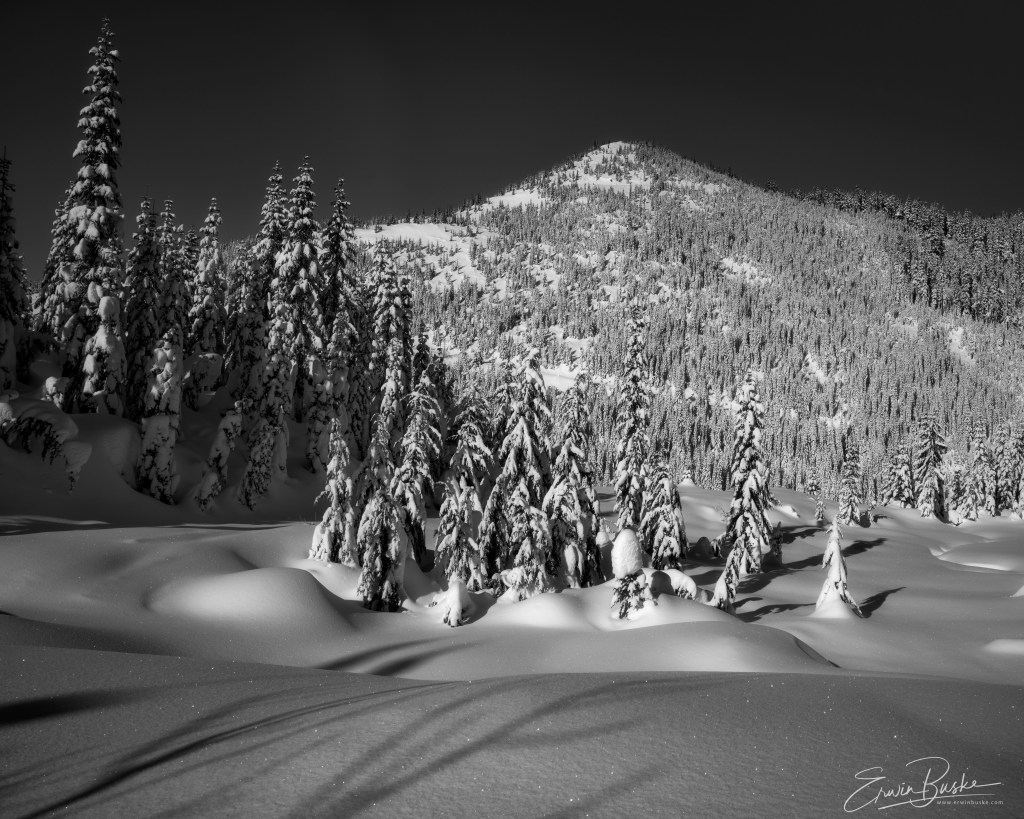
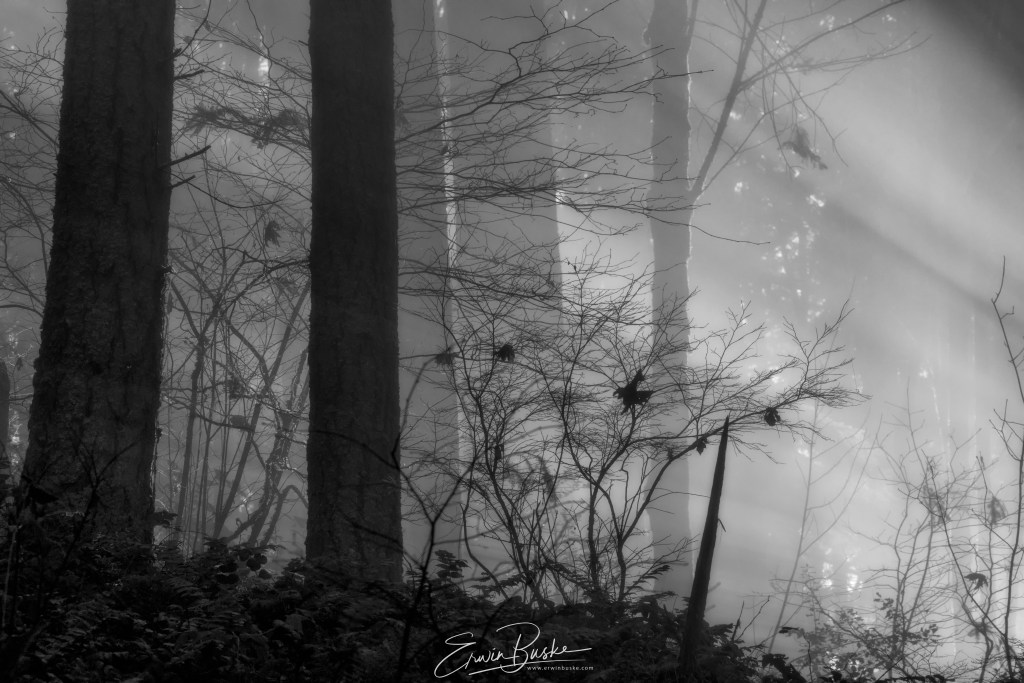

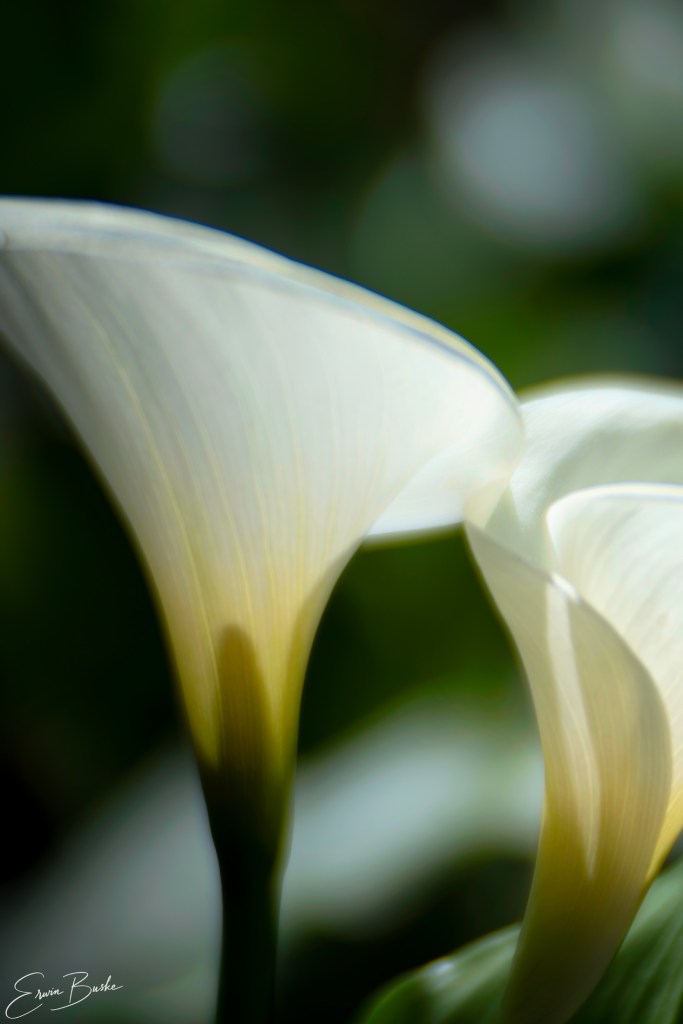
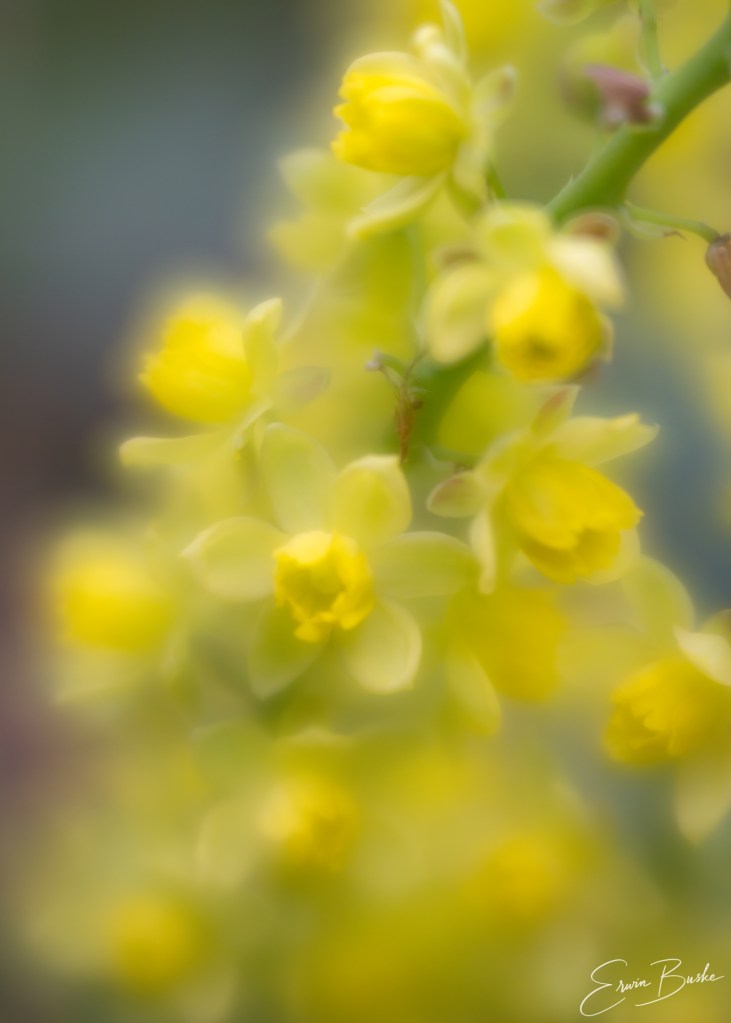

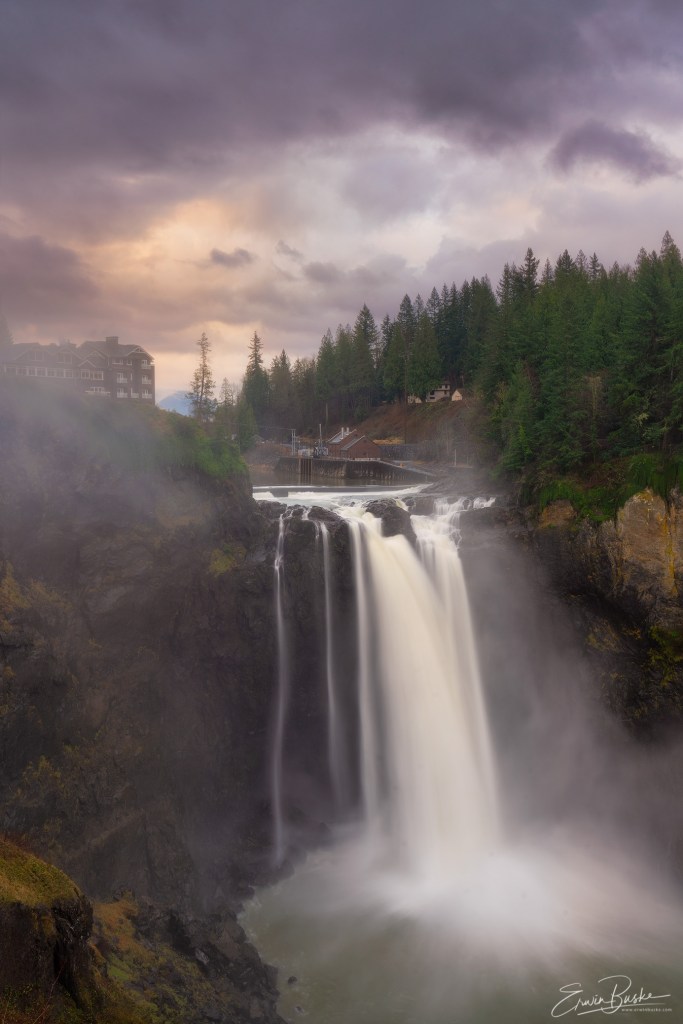
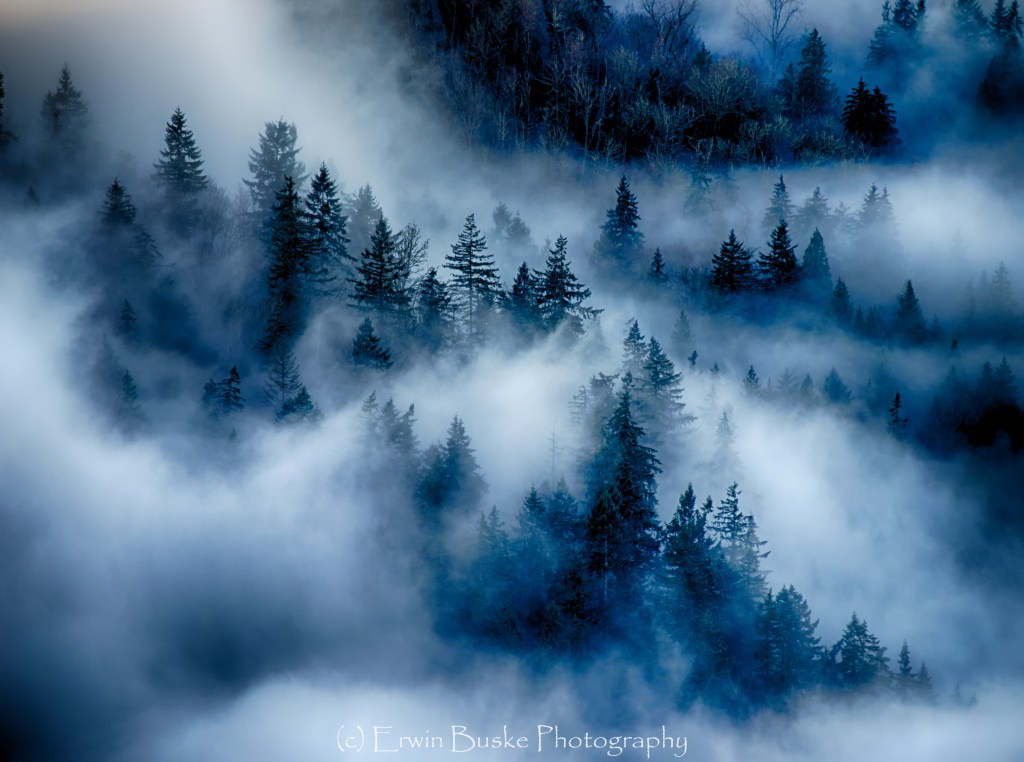
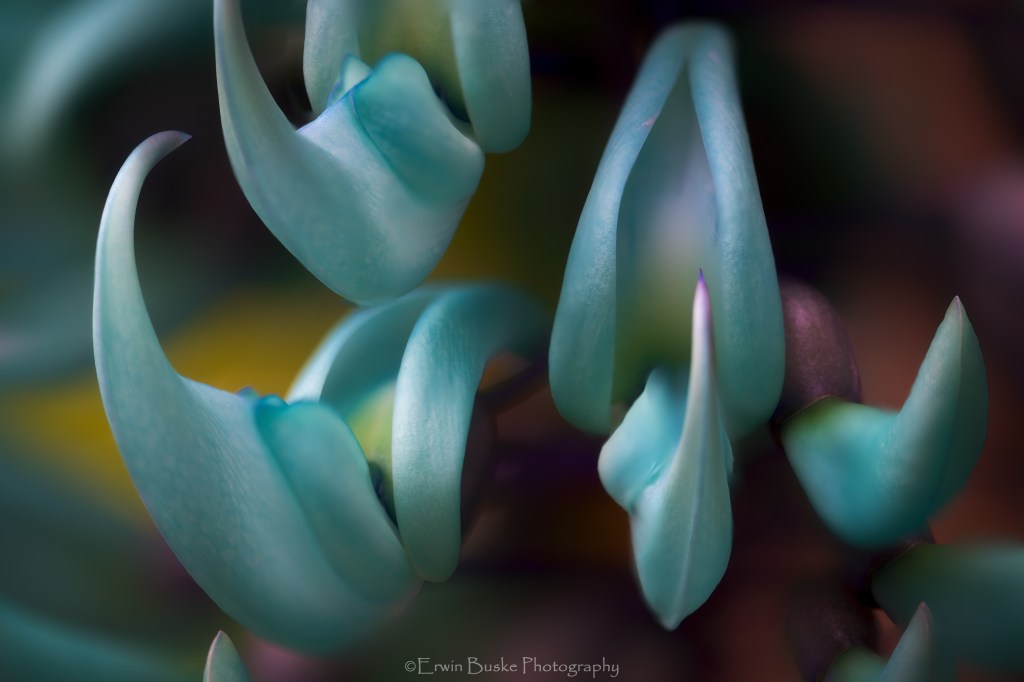
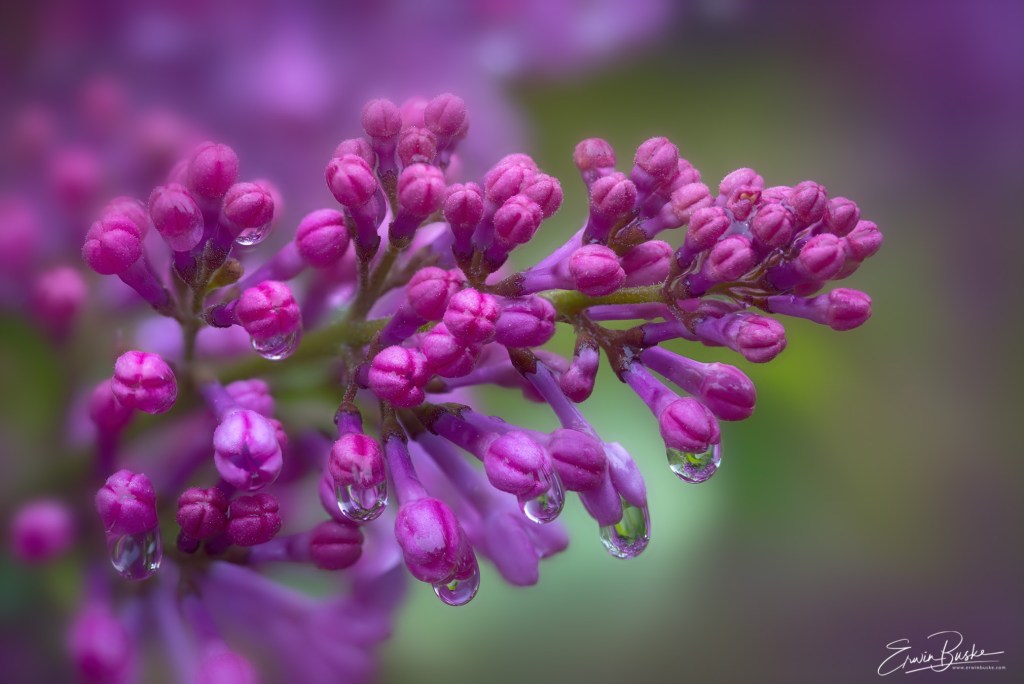
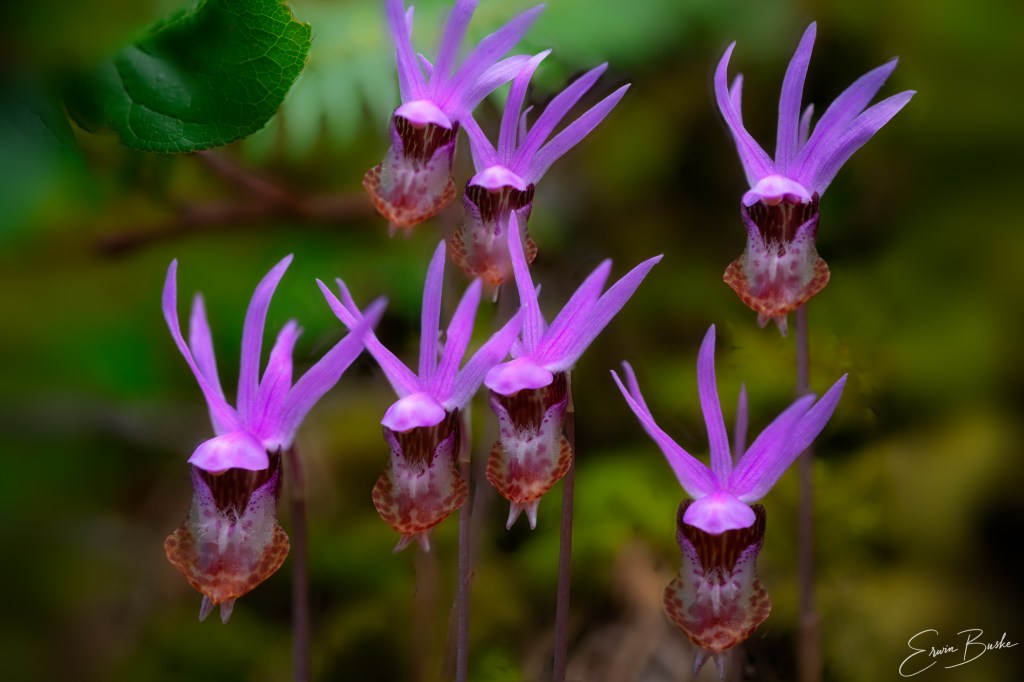


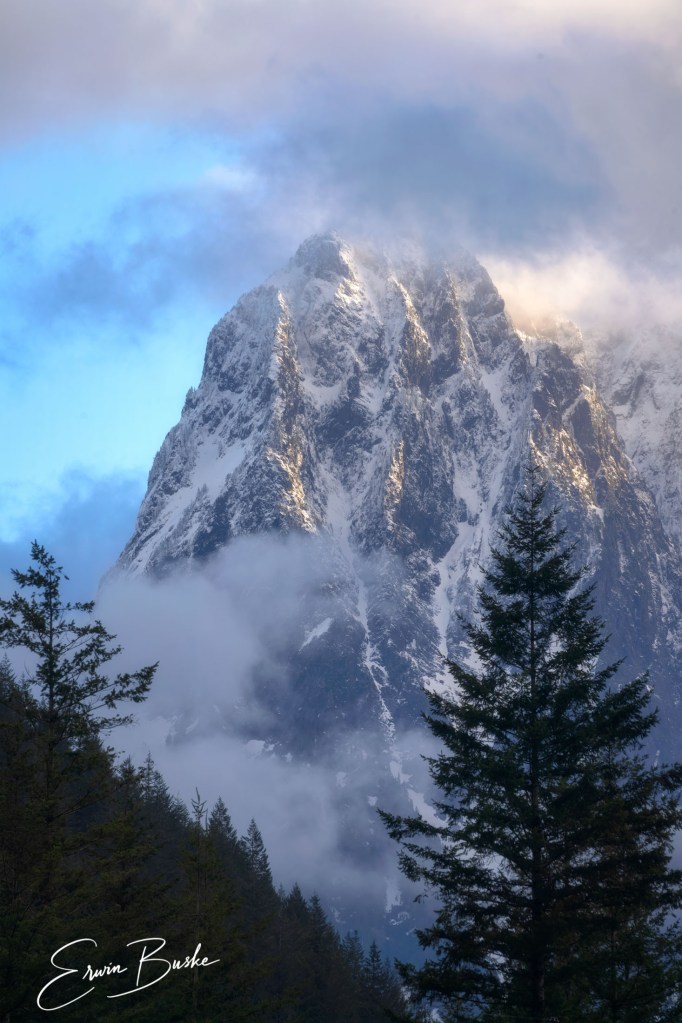
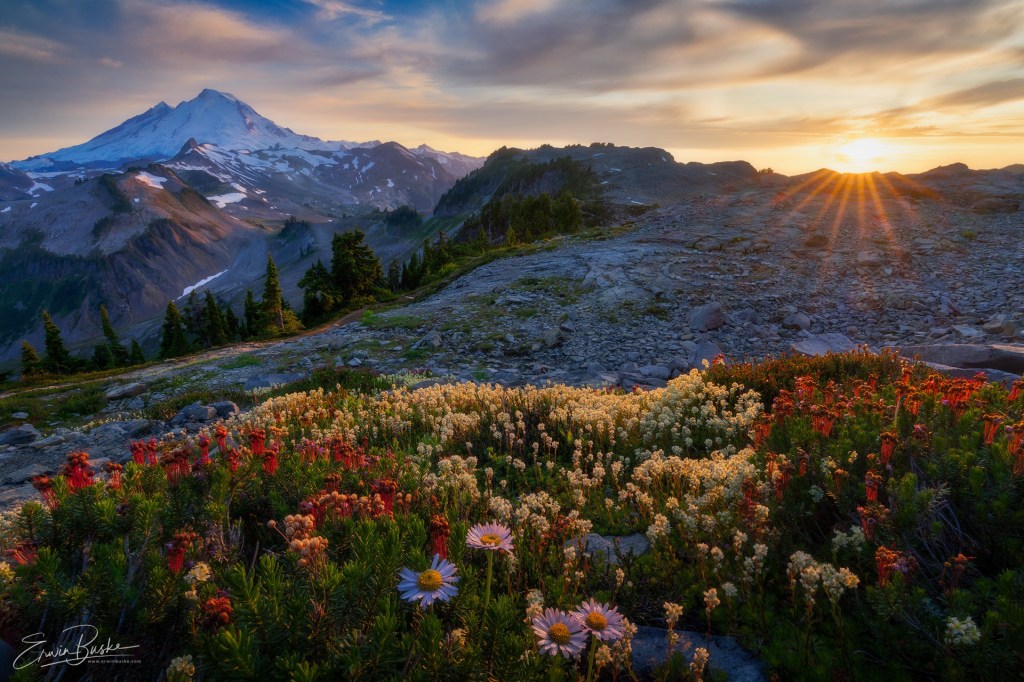

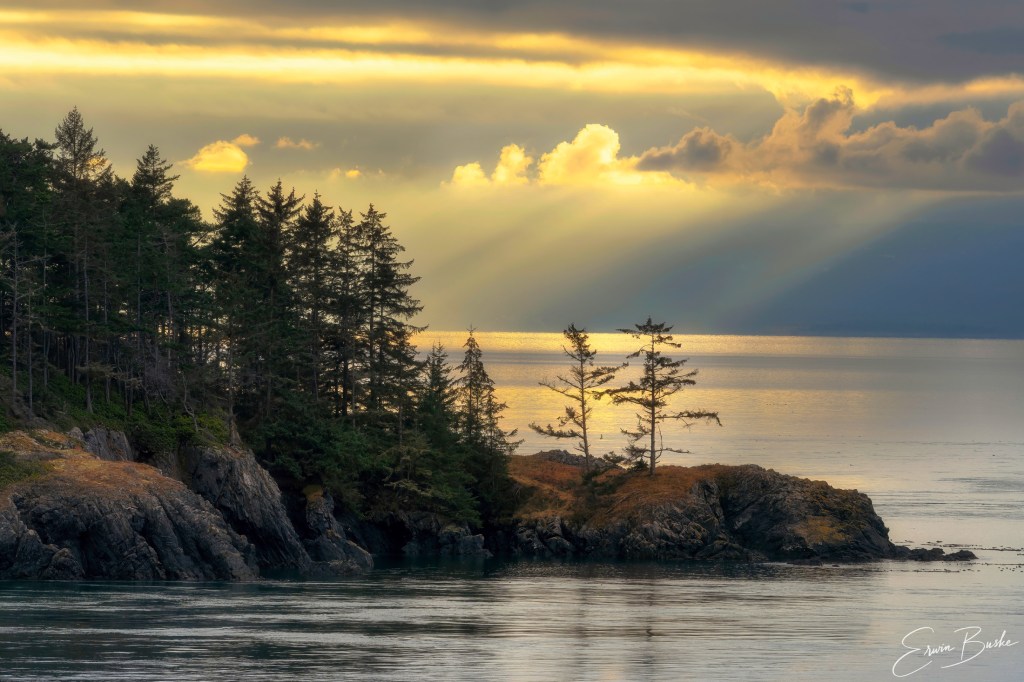

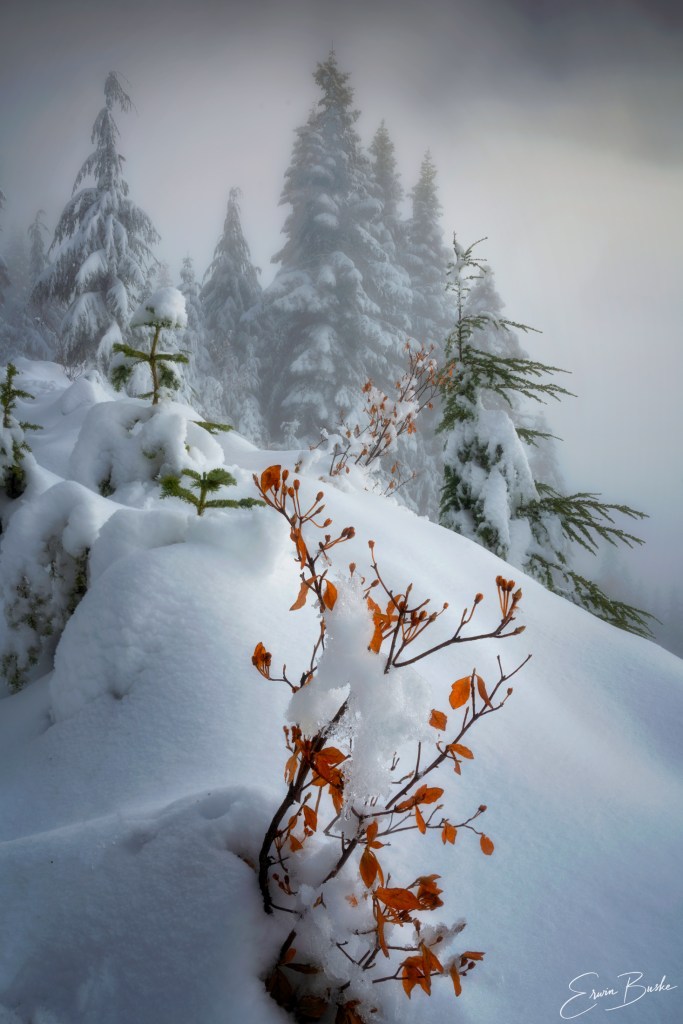
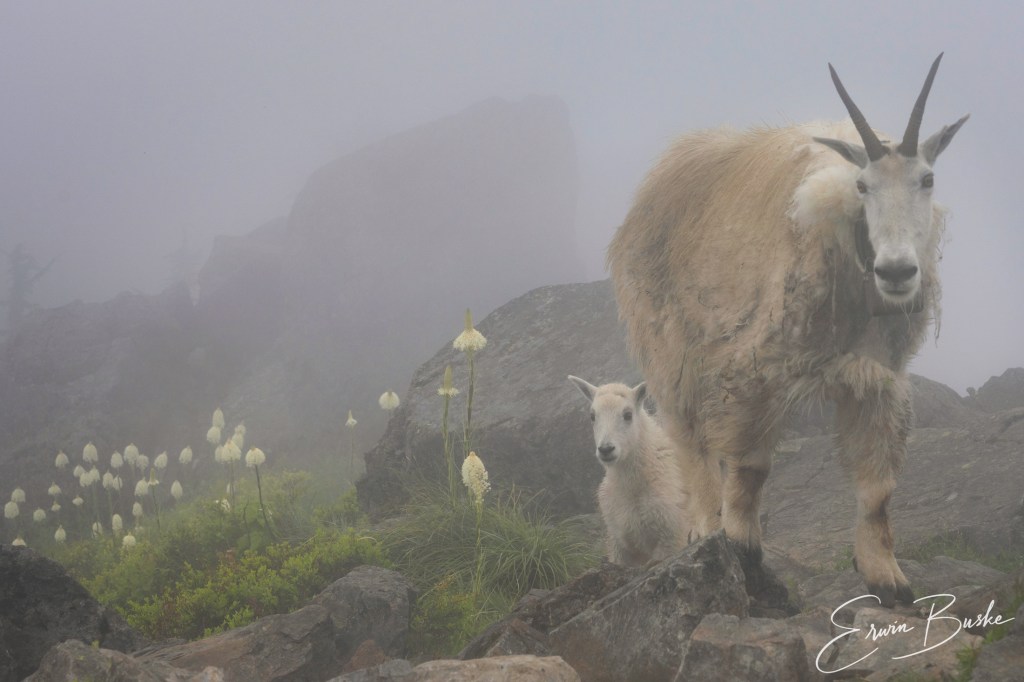

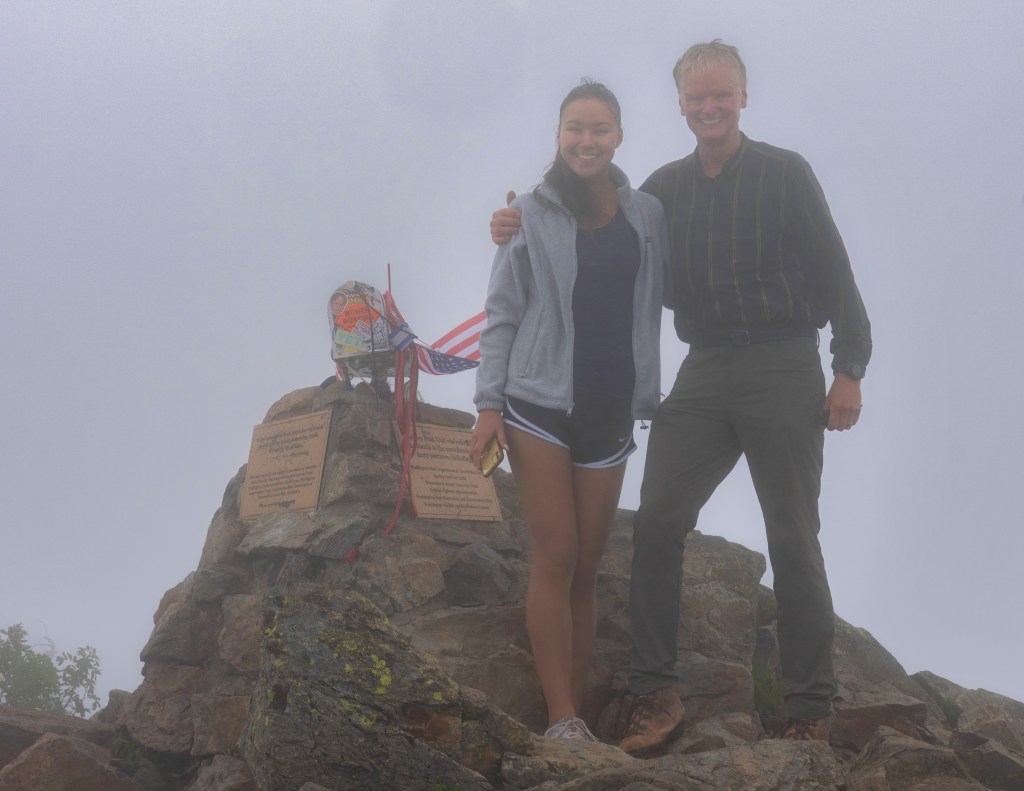


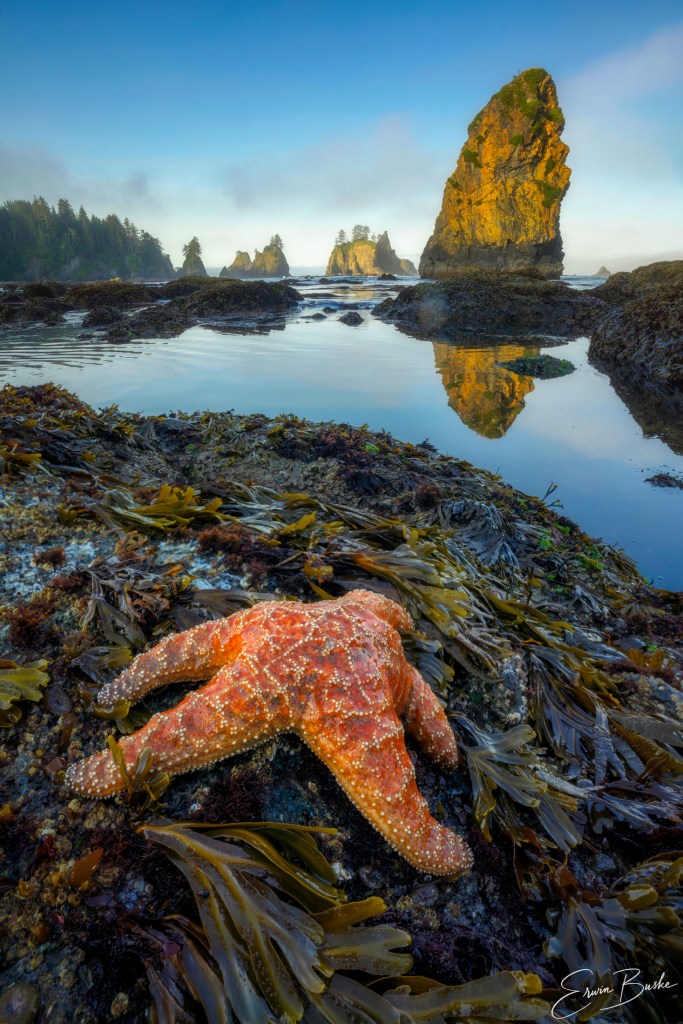
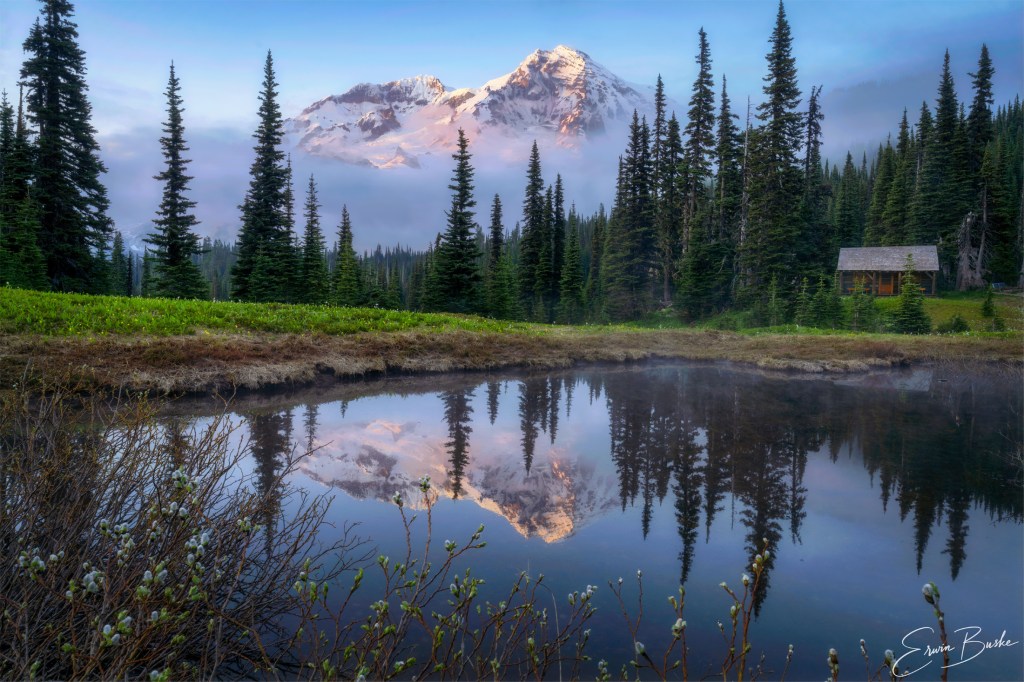
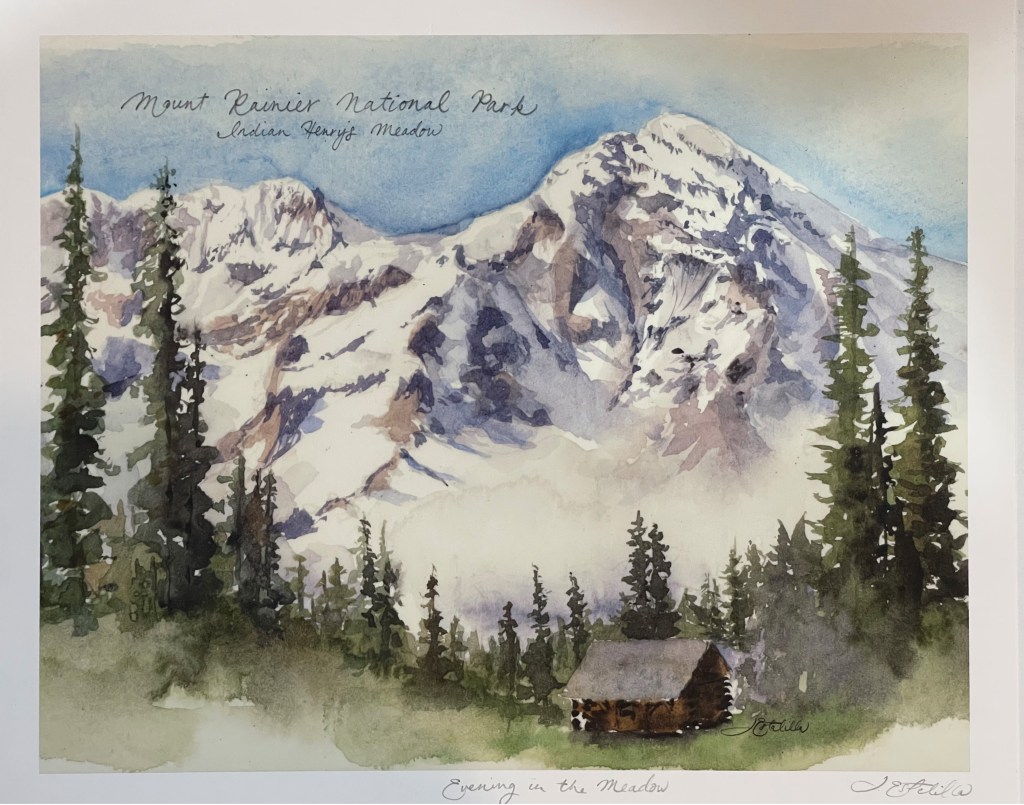
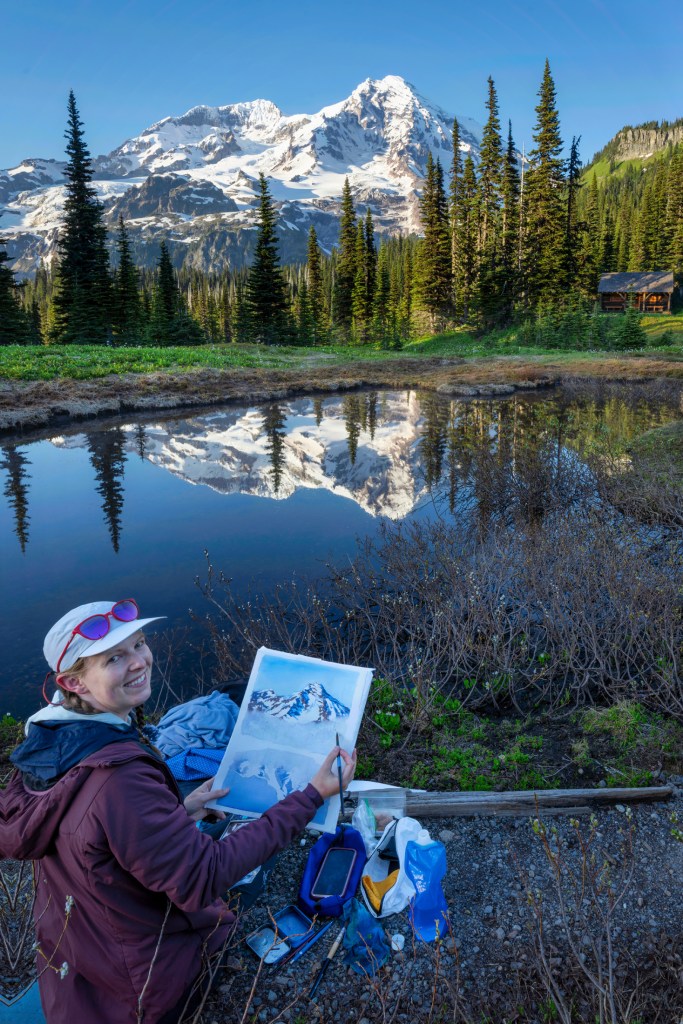

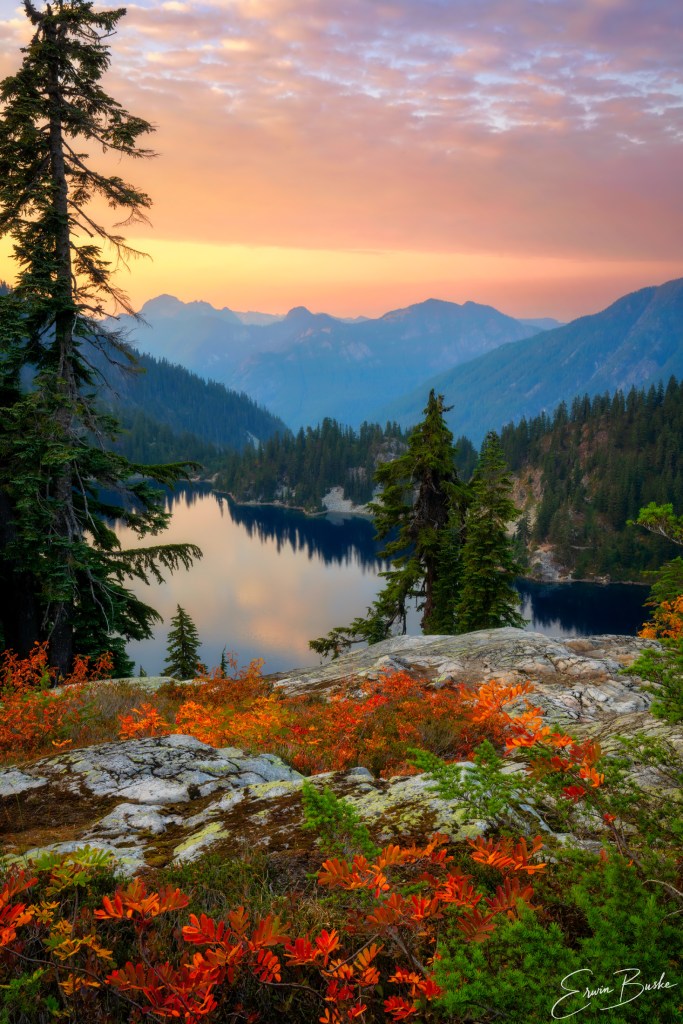

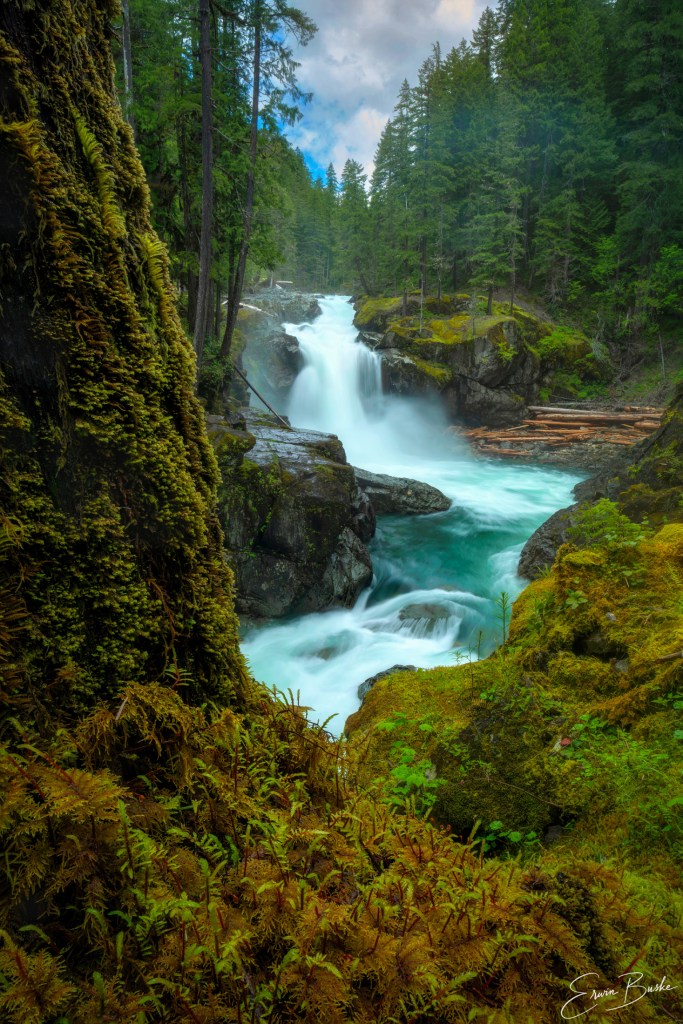


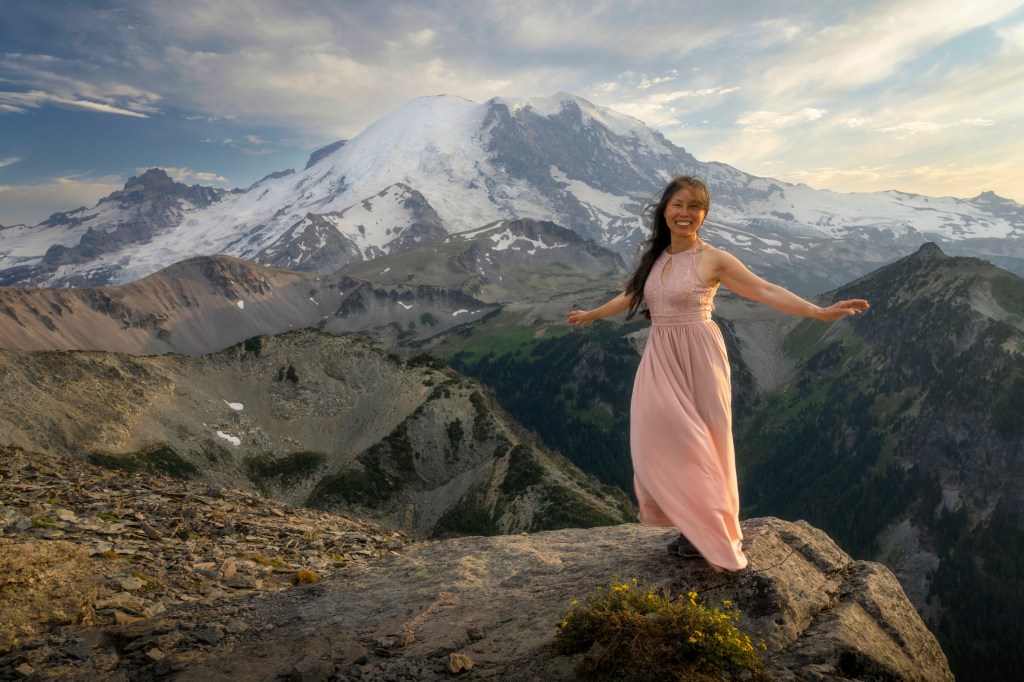
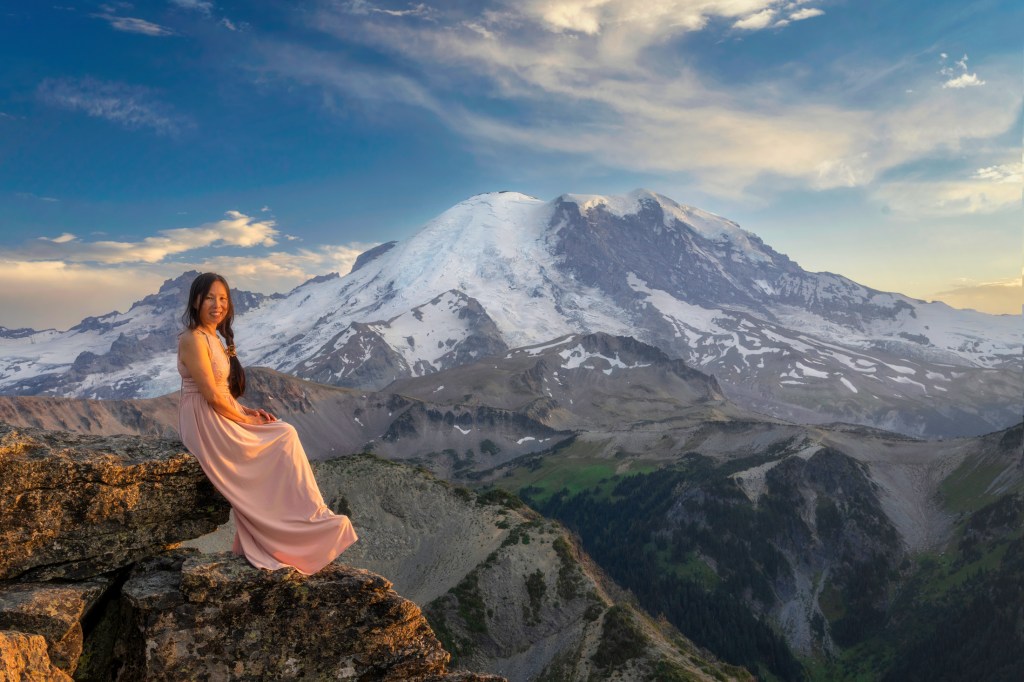
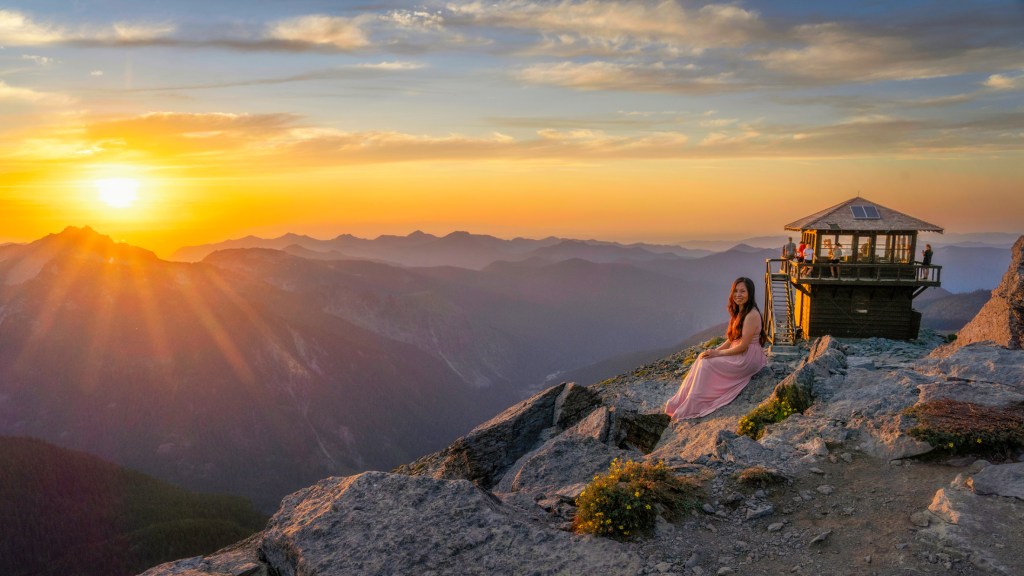
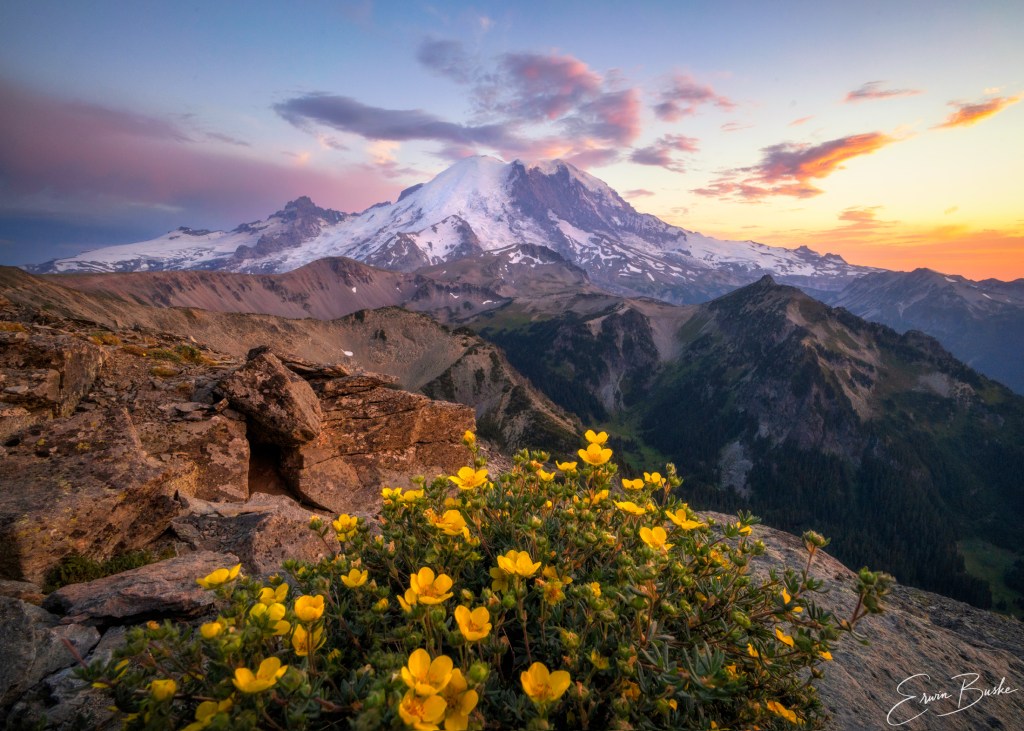


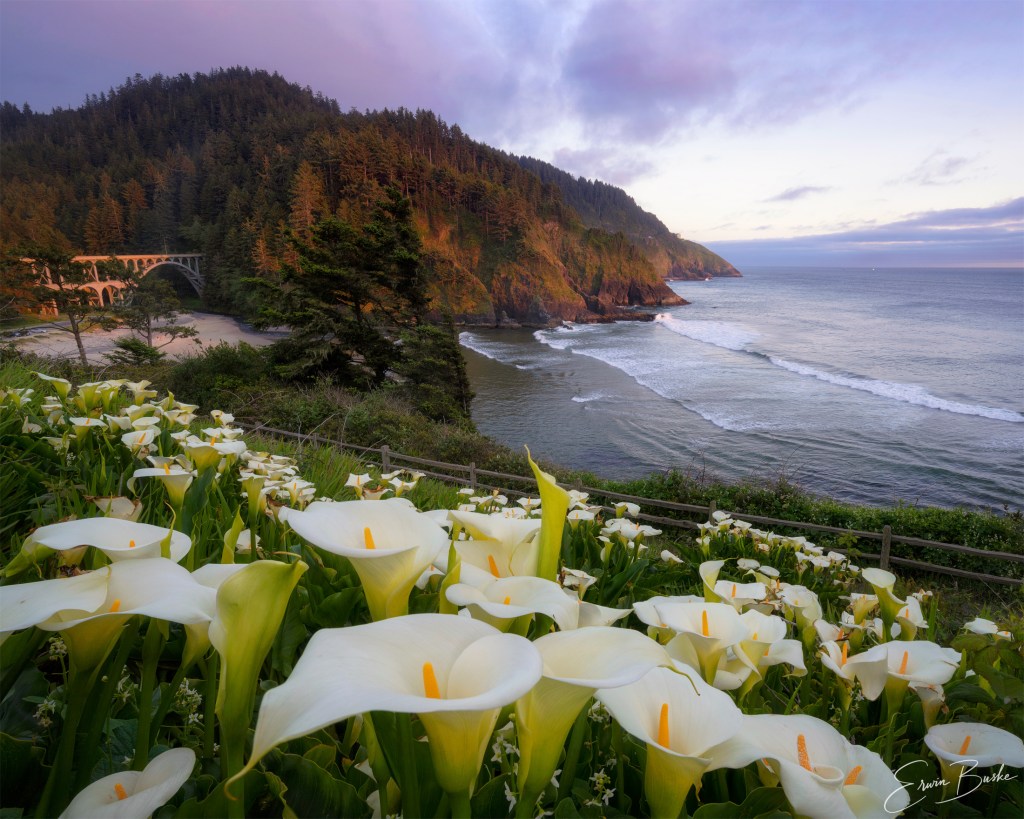
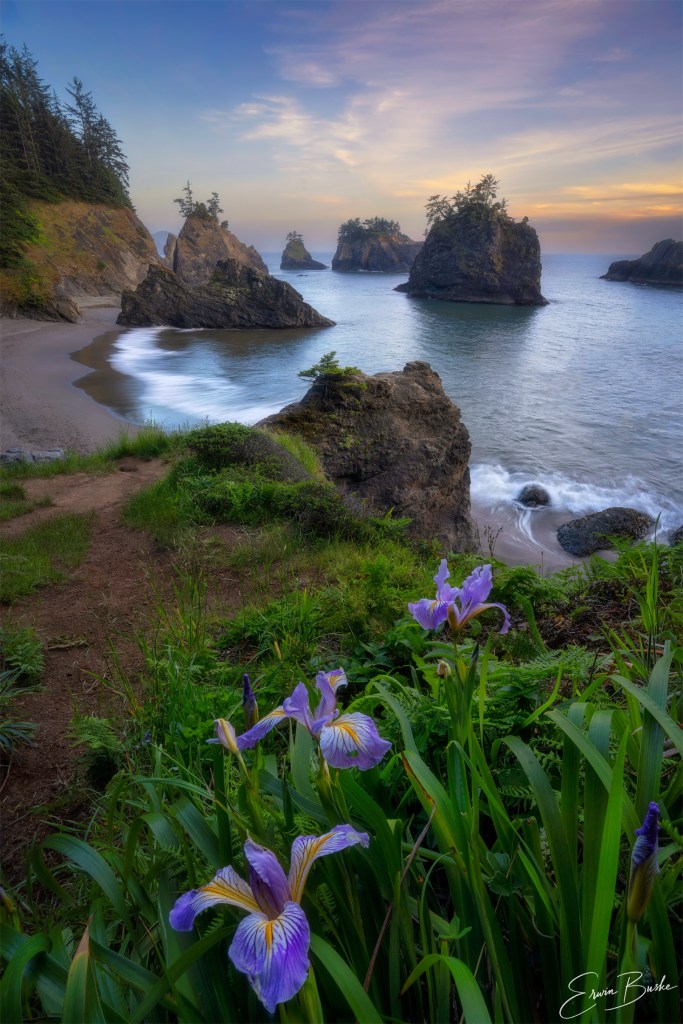
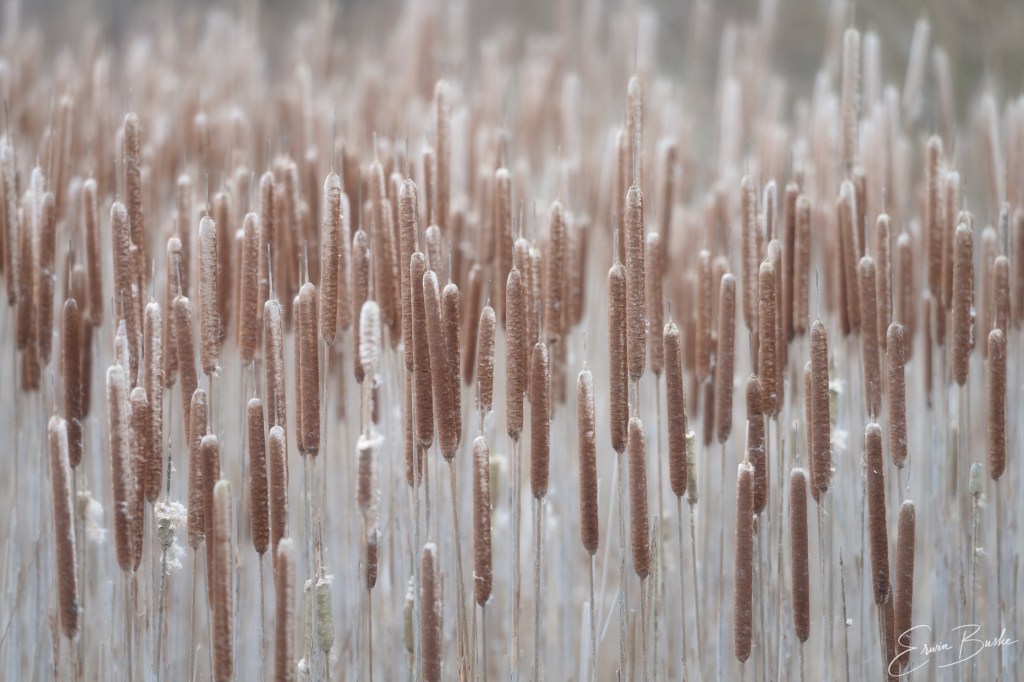
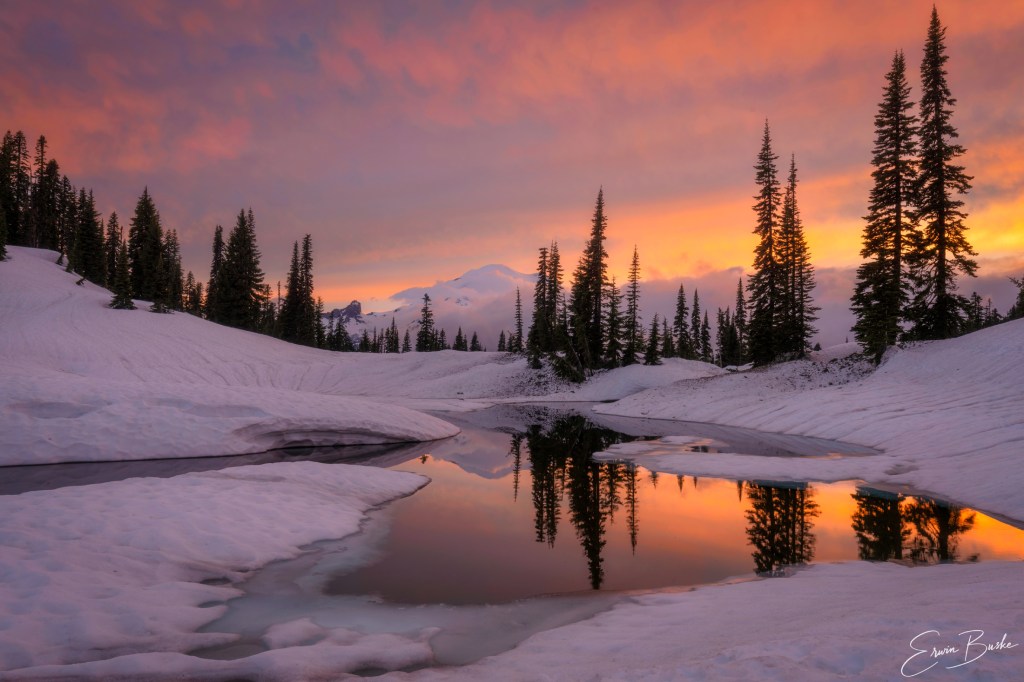


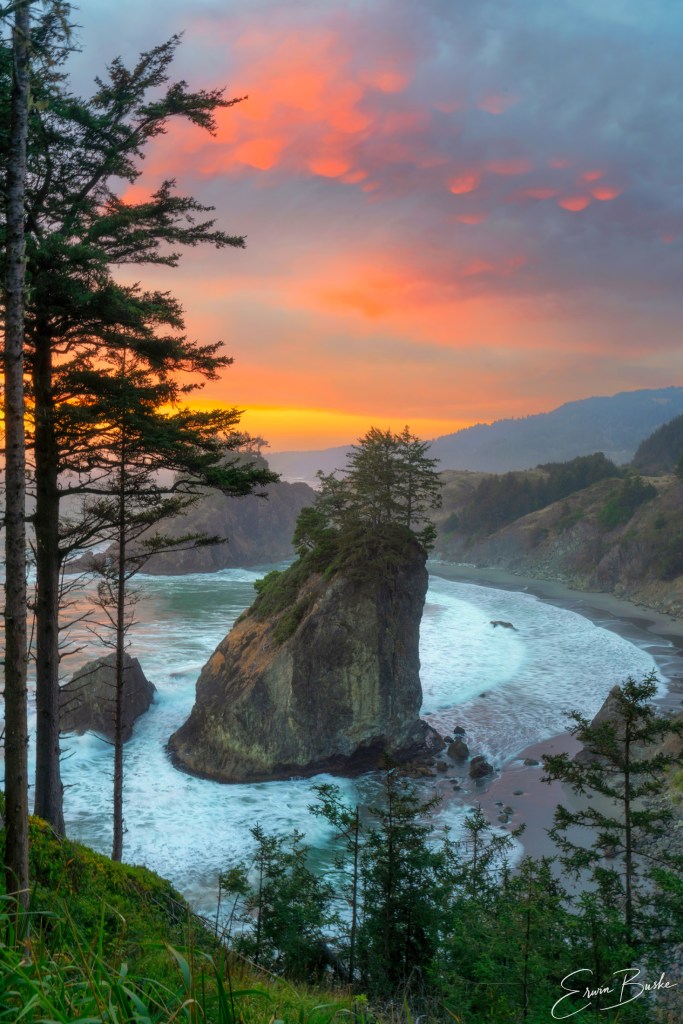
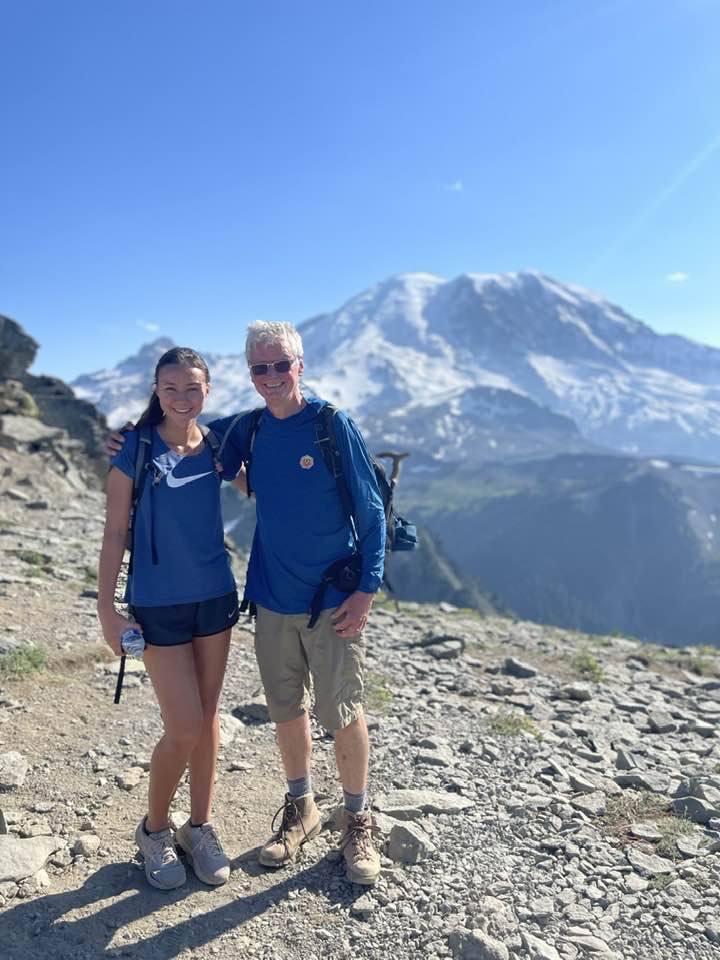
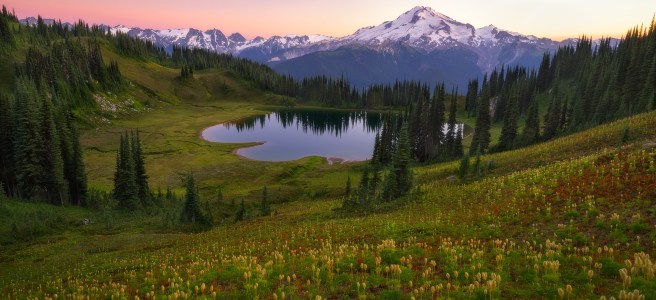


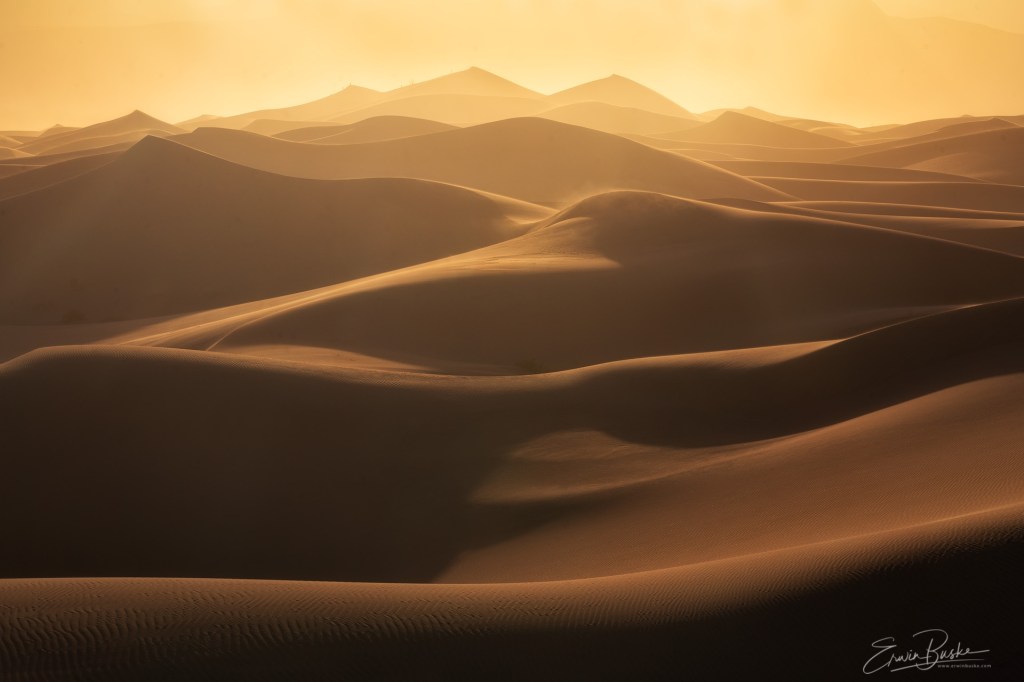


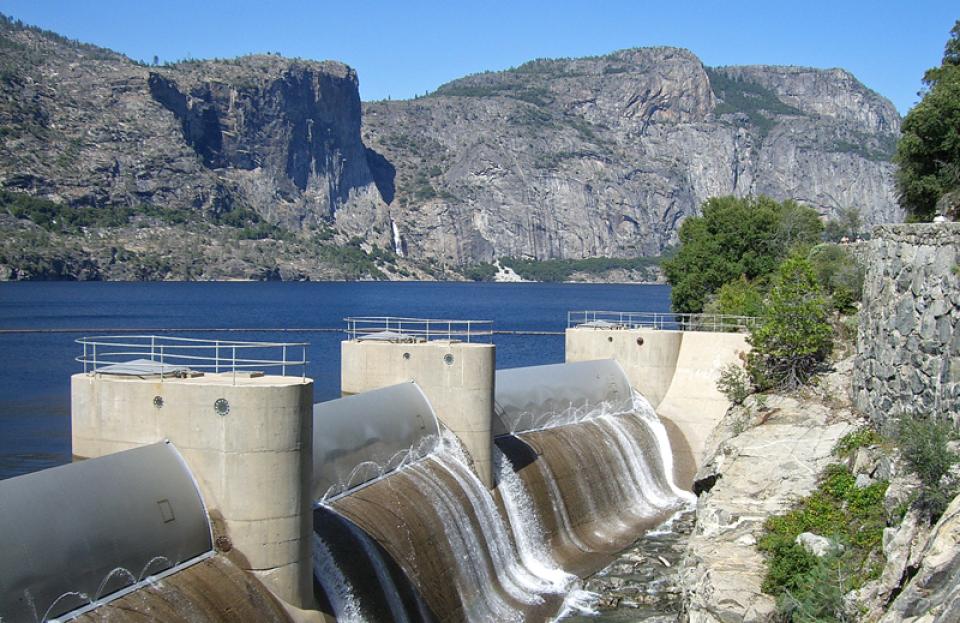
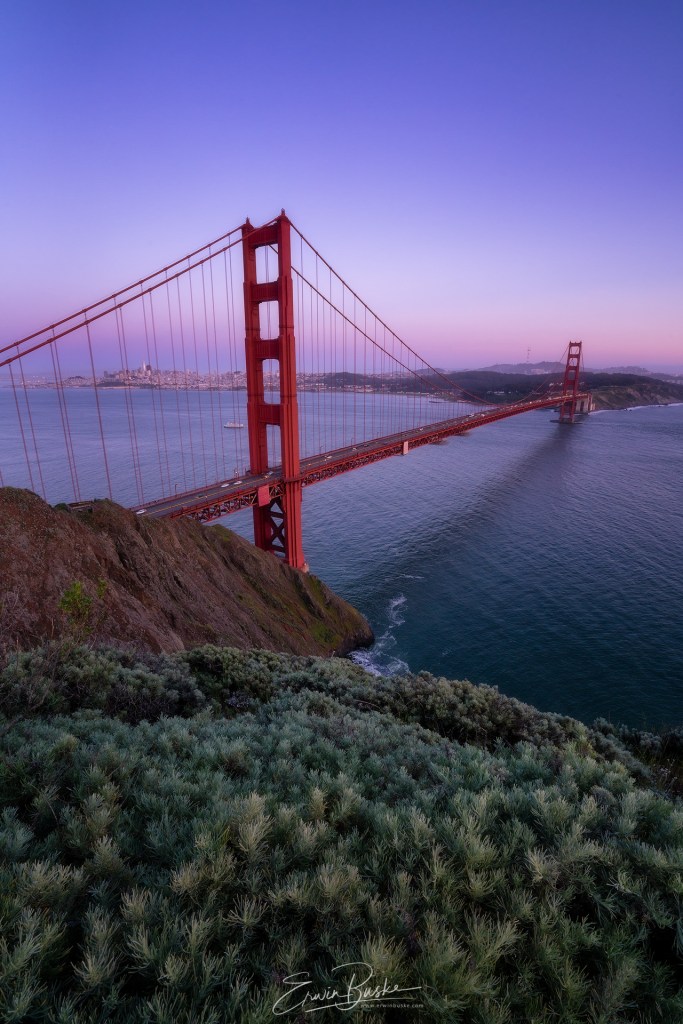




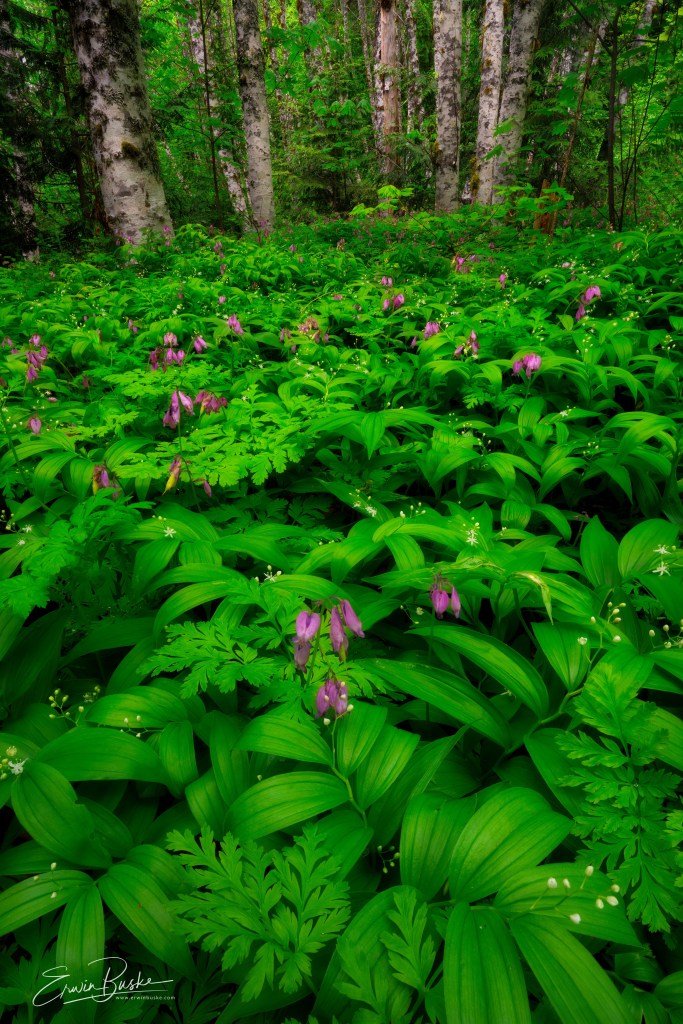

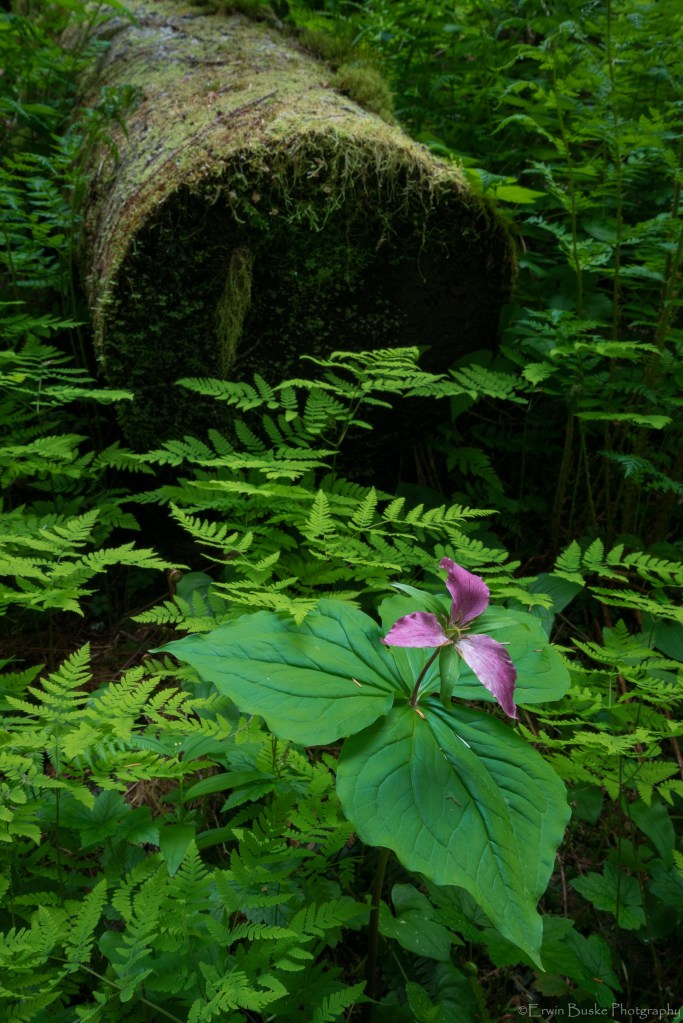


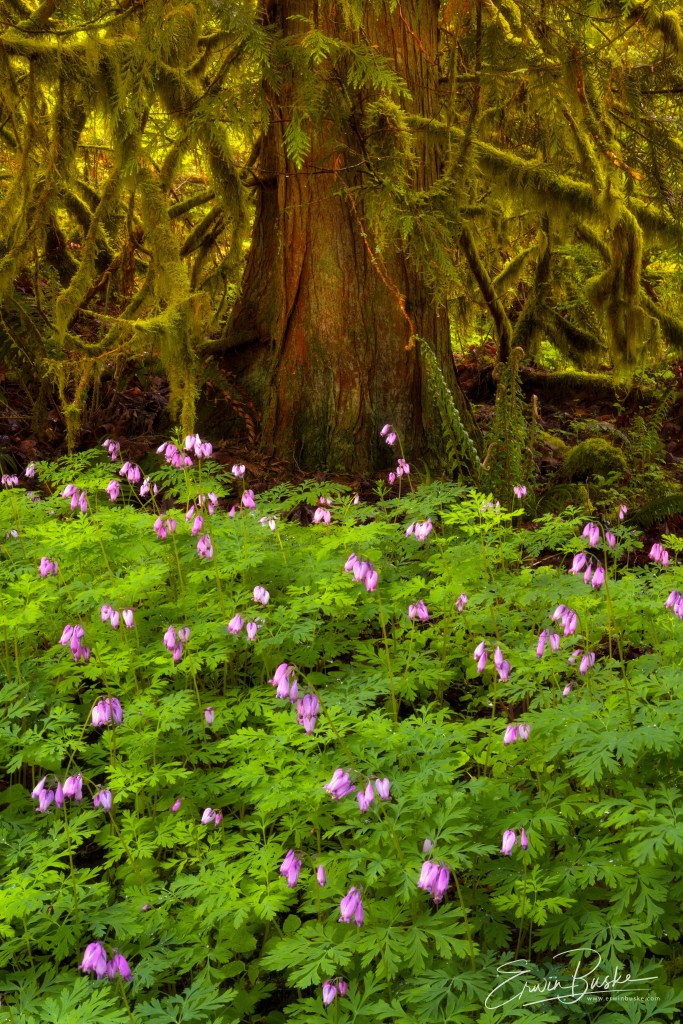

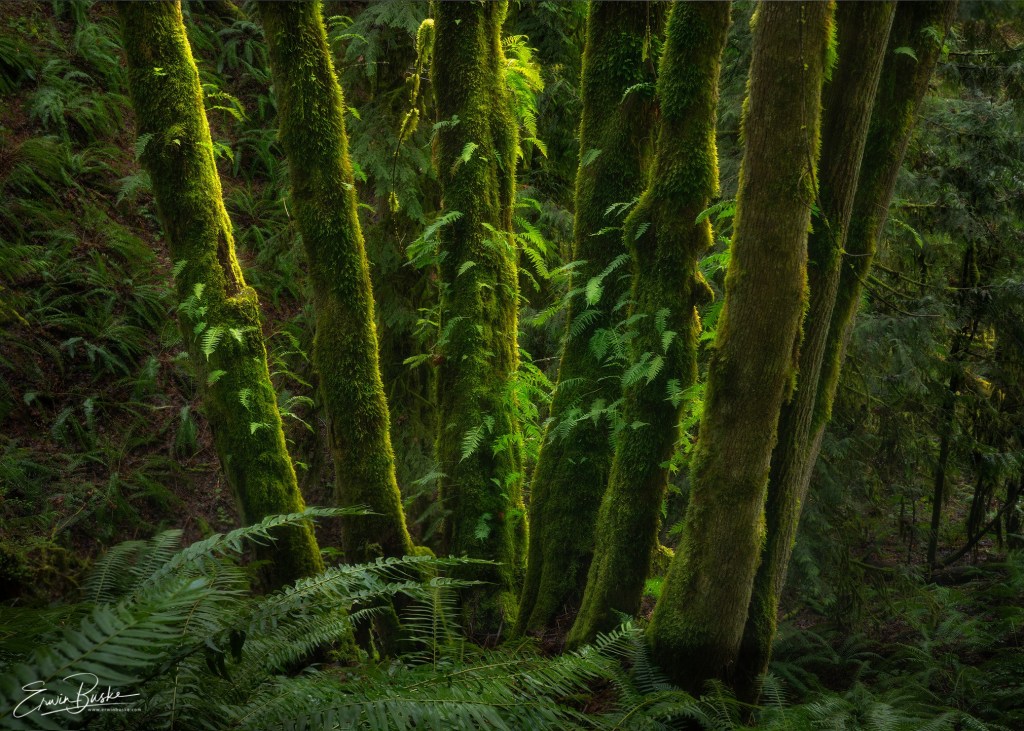
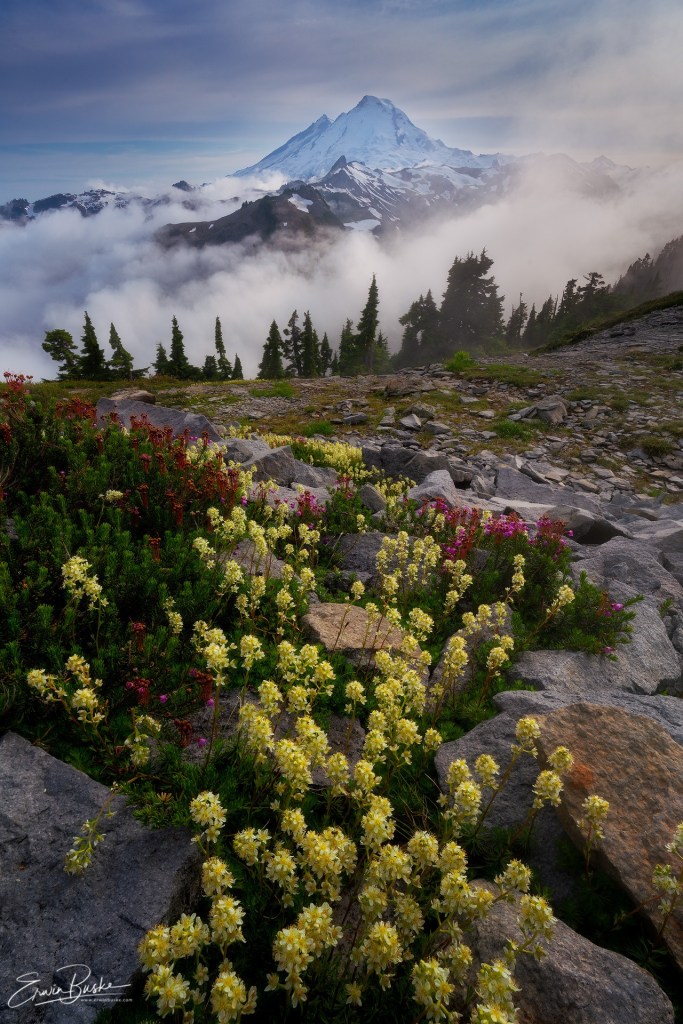


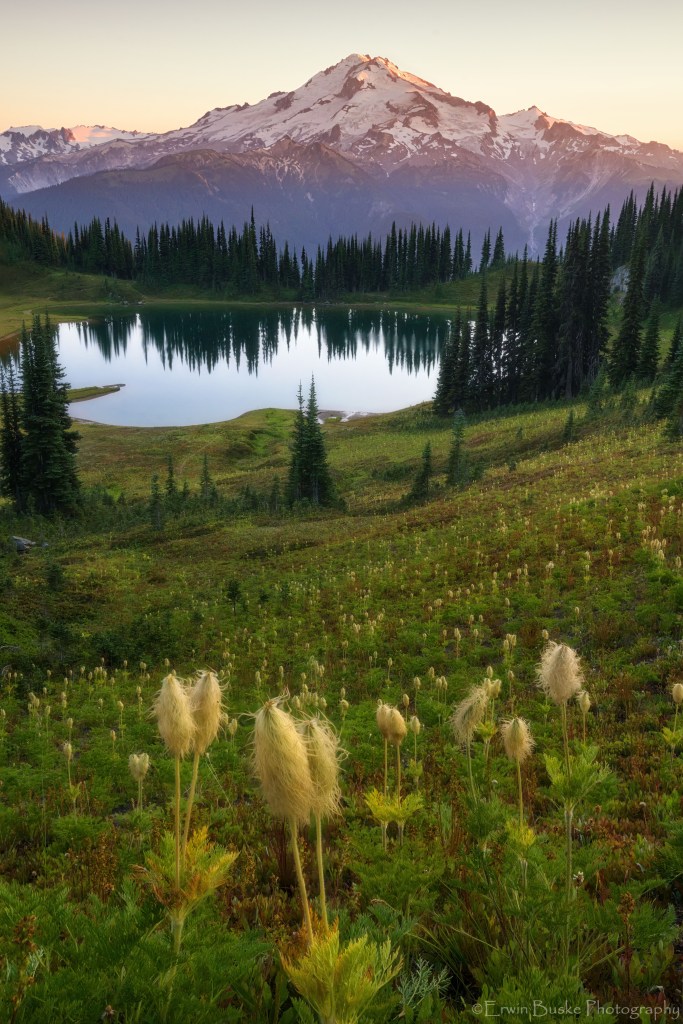
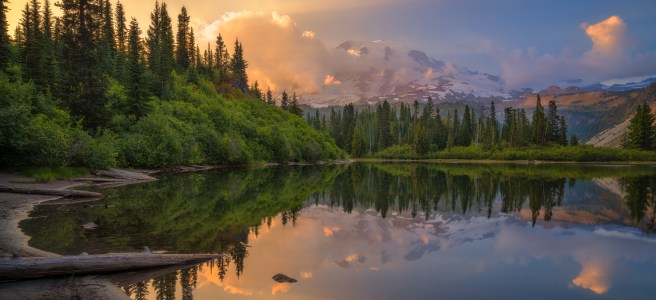
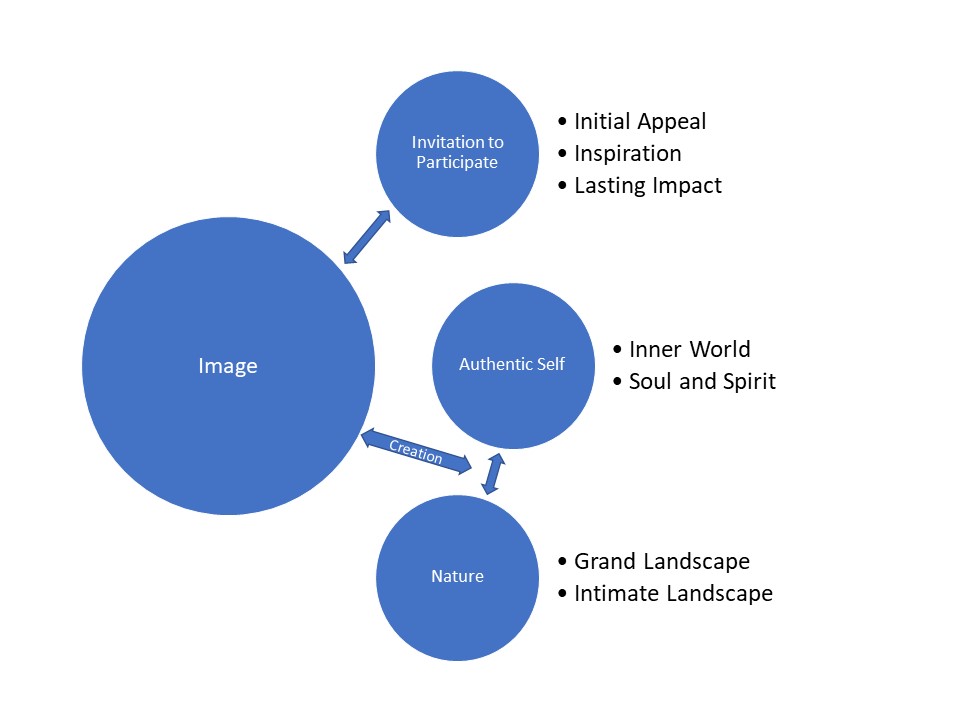
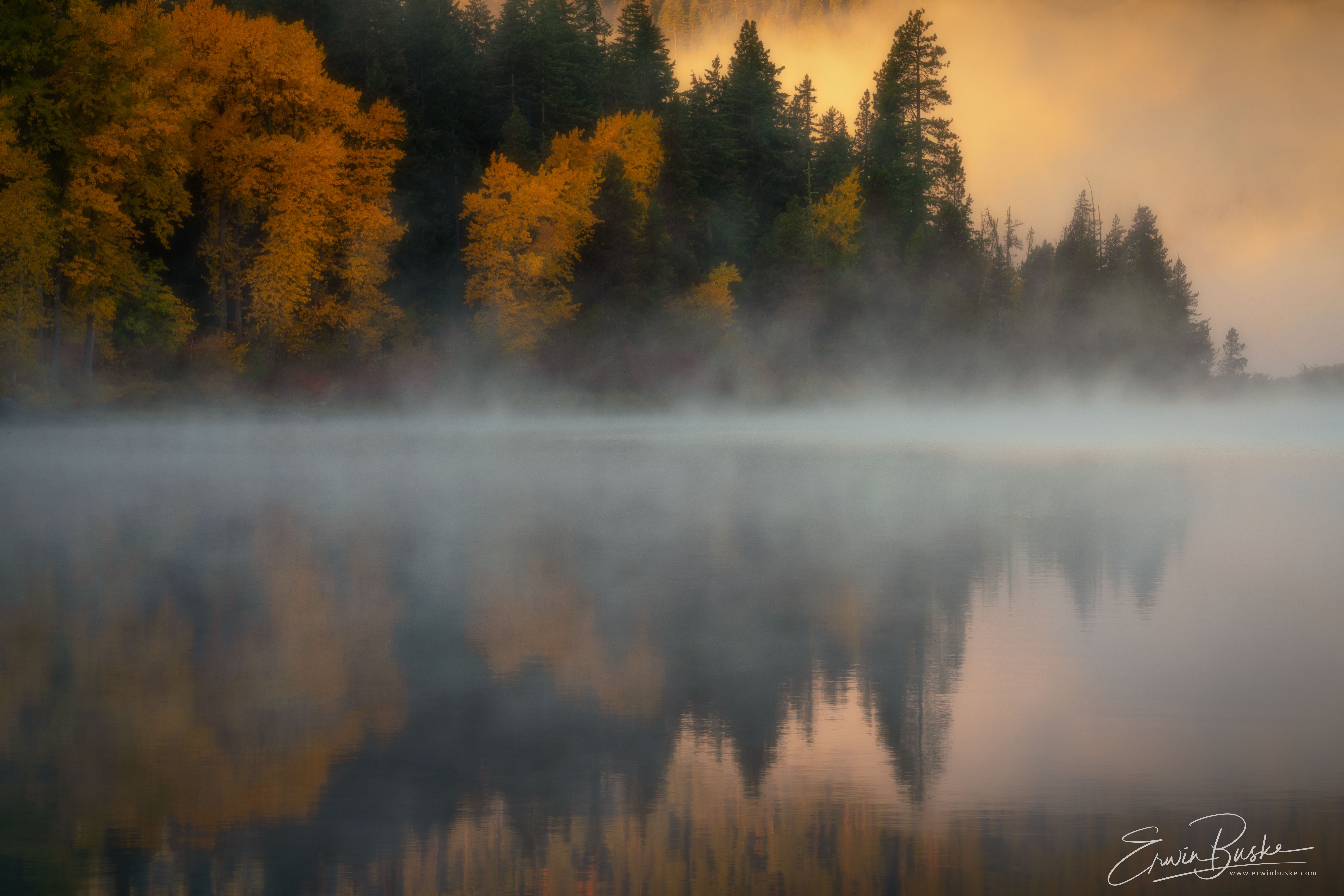
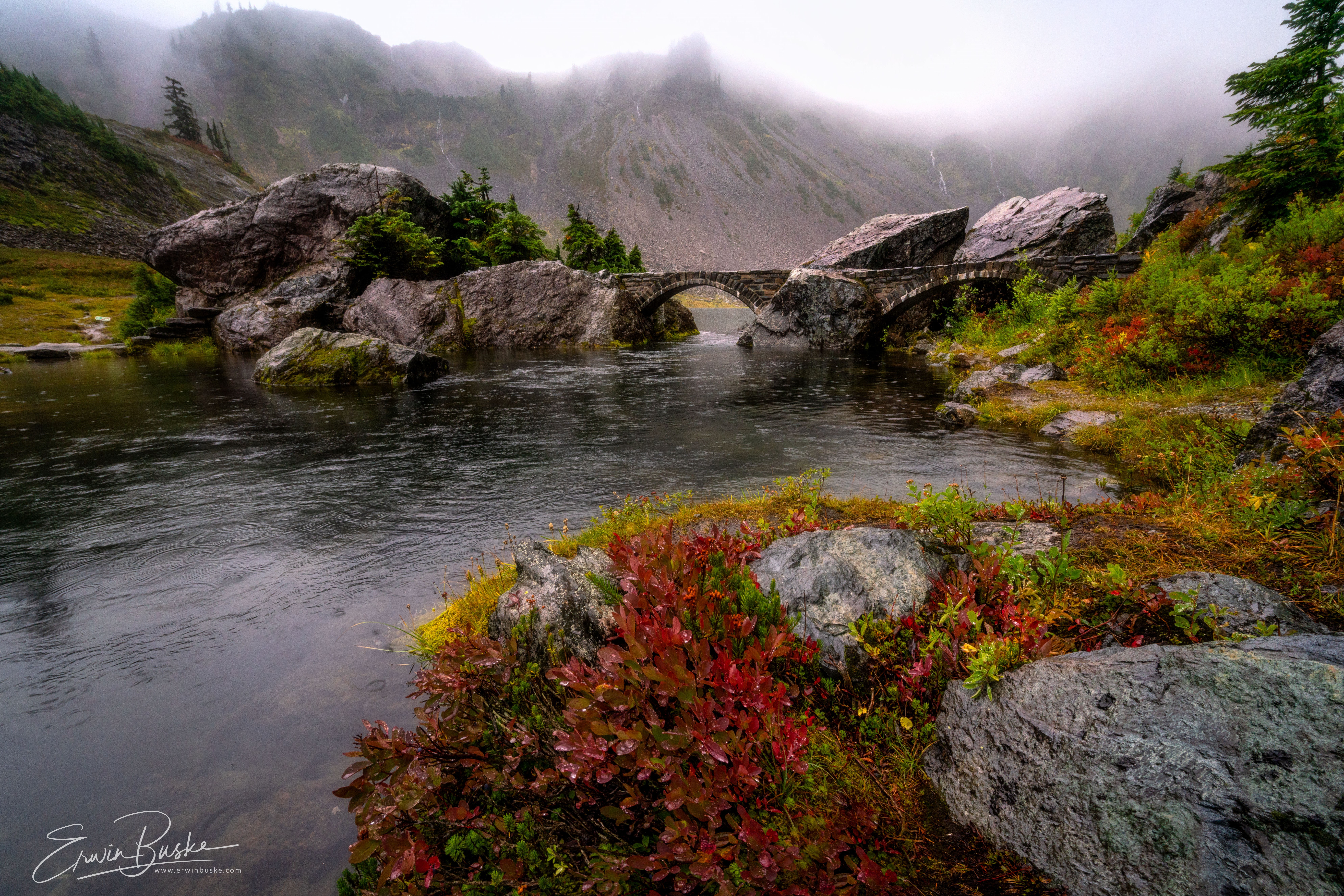


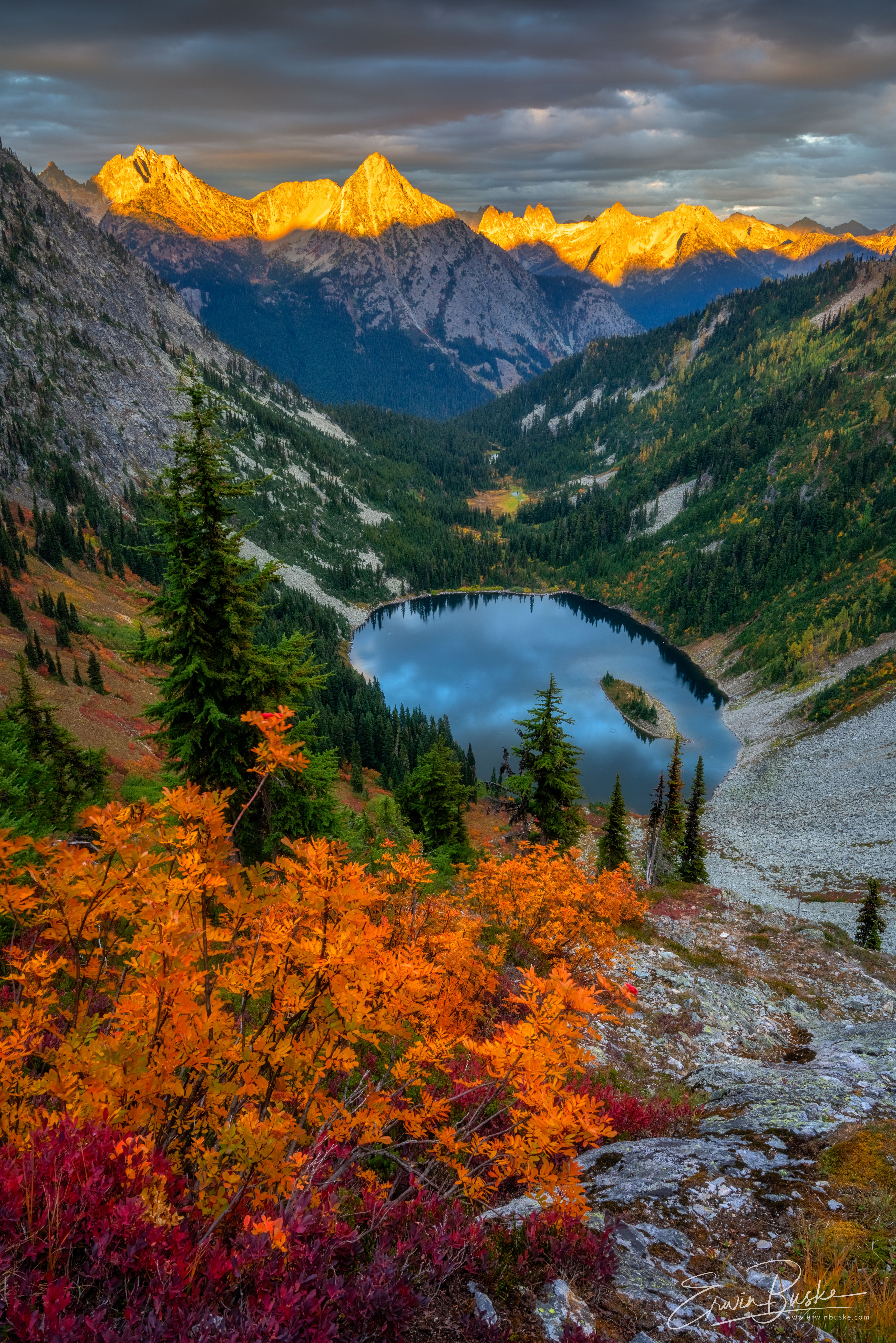

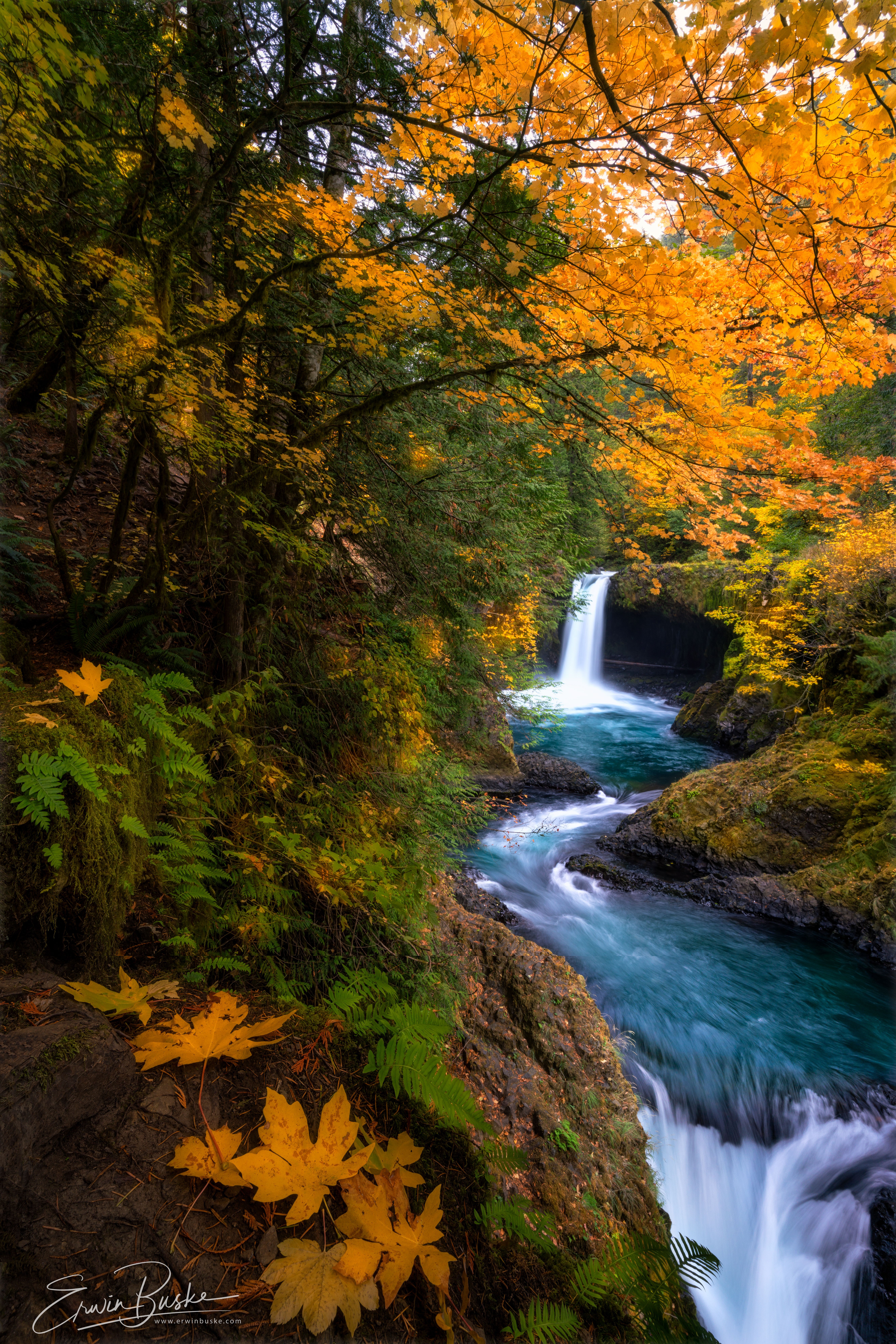
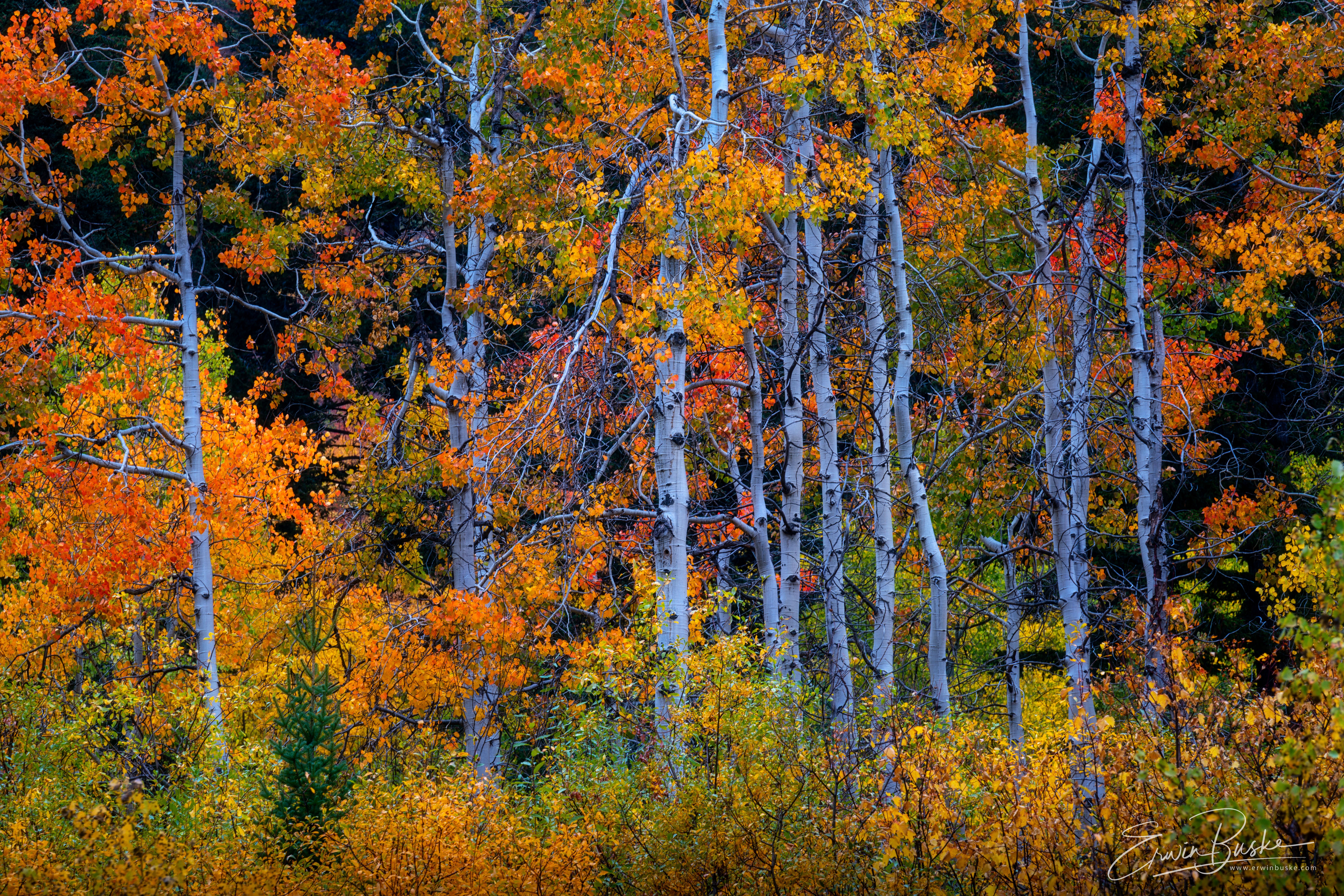
 Liberty Bell Reflecting Pond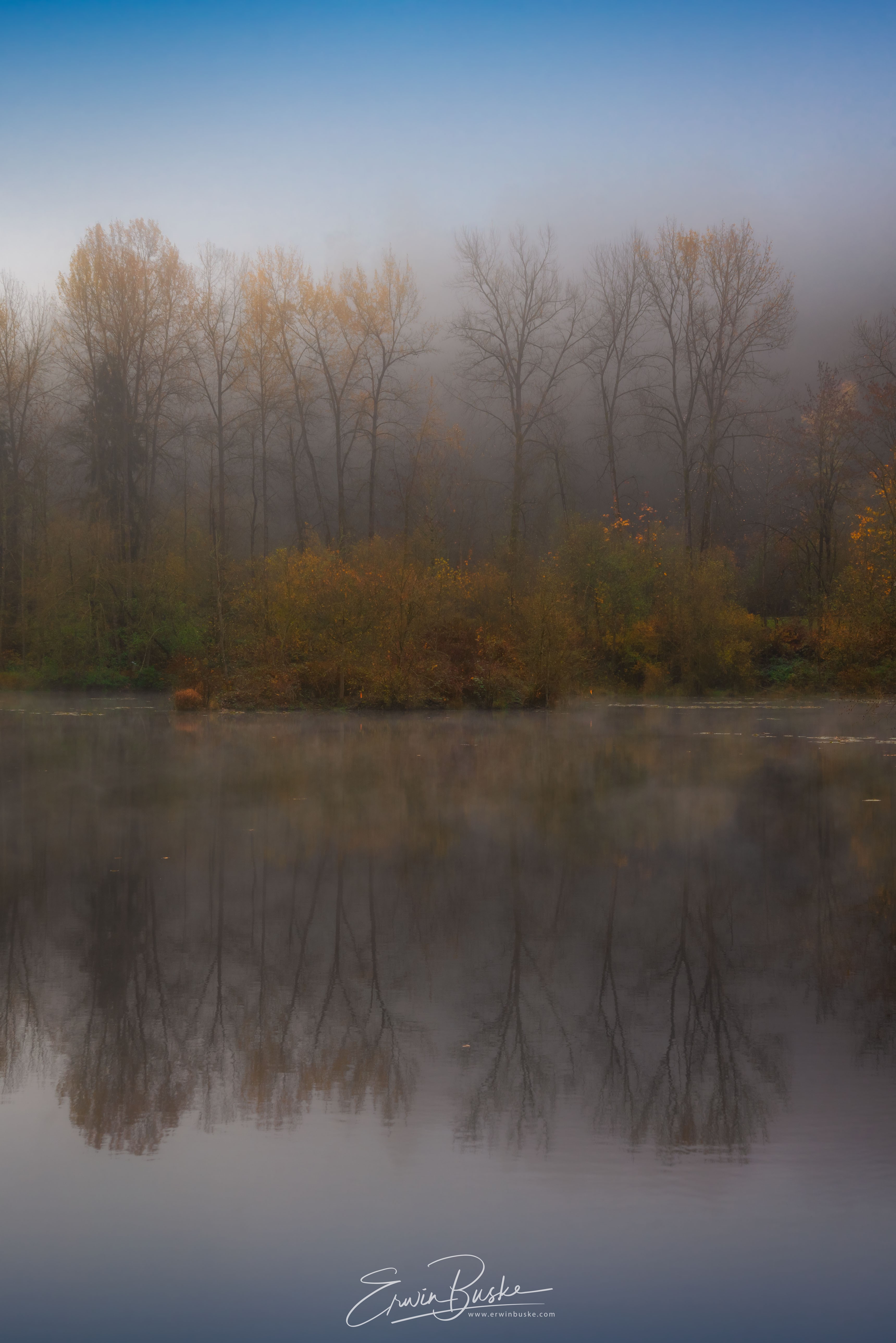
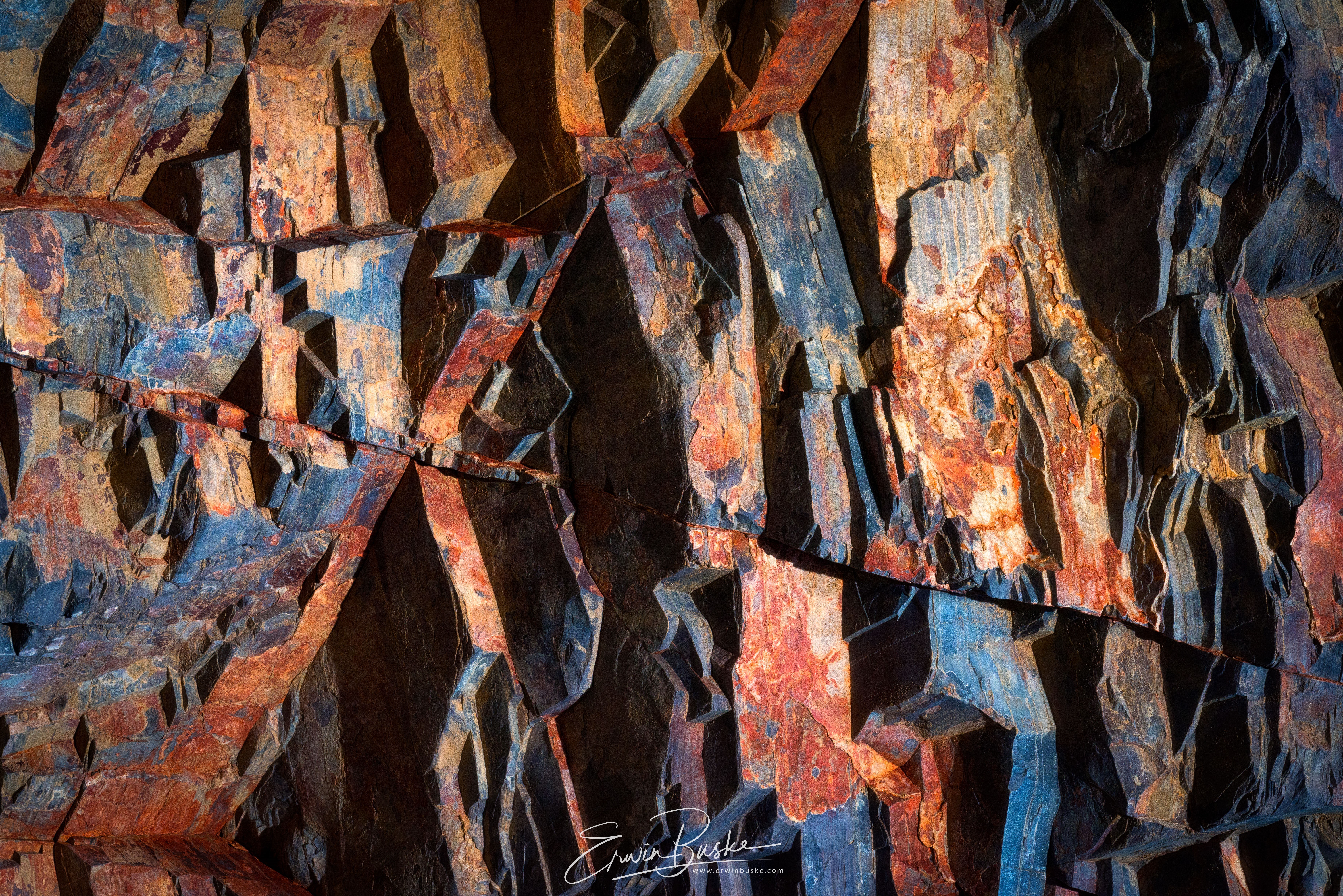
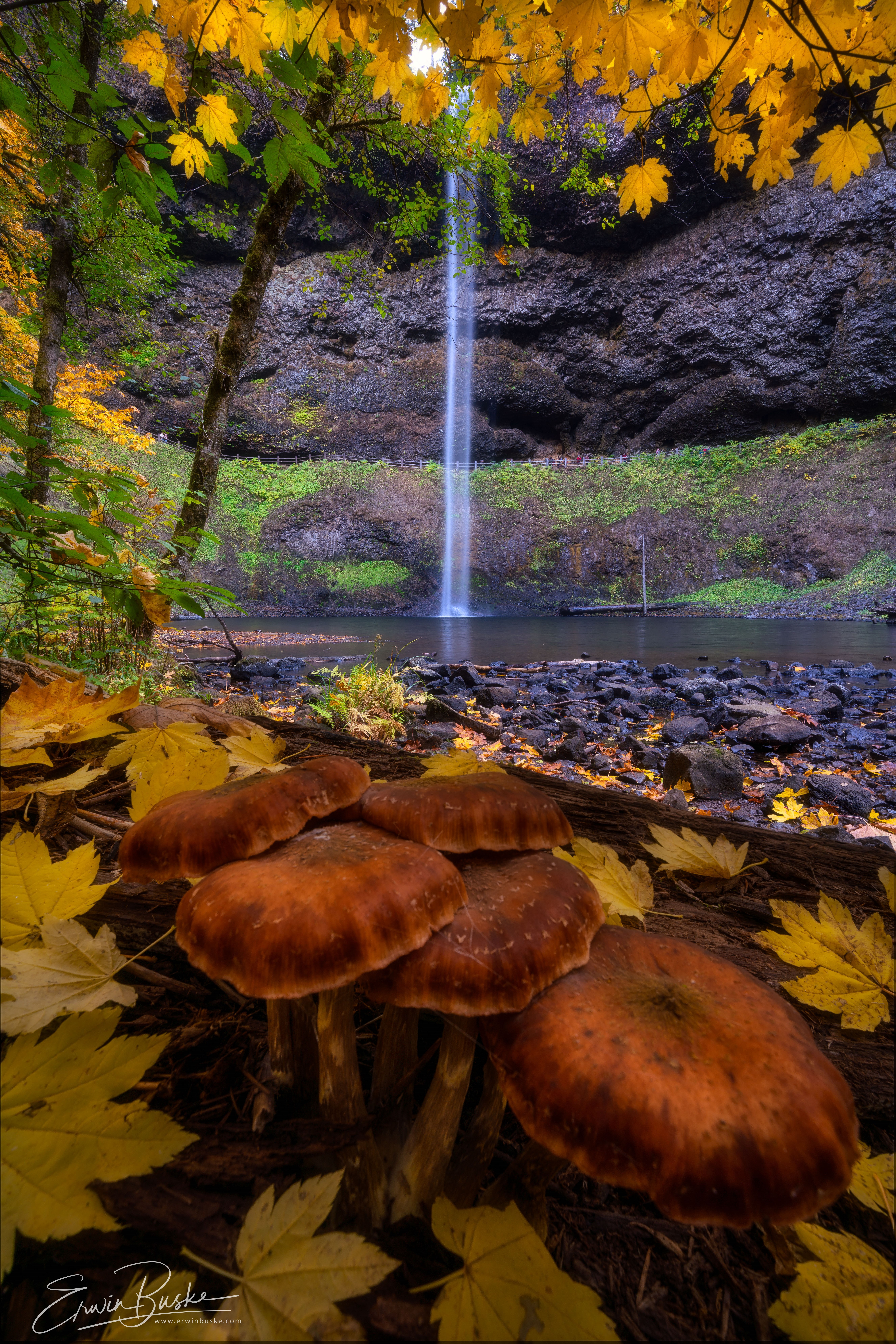

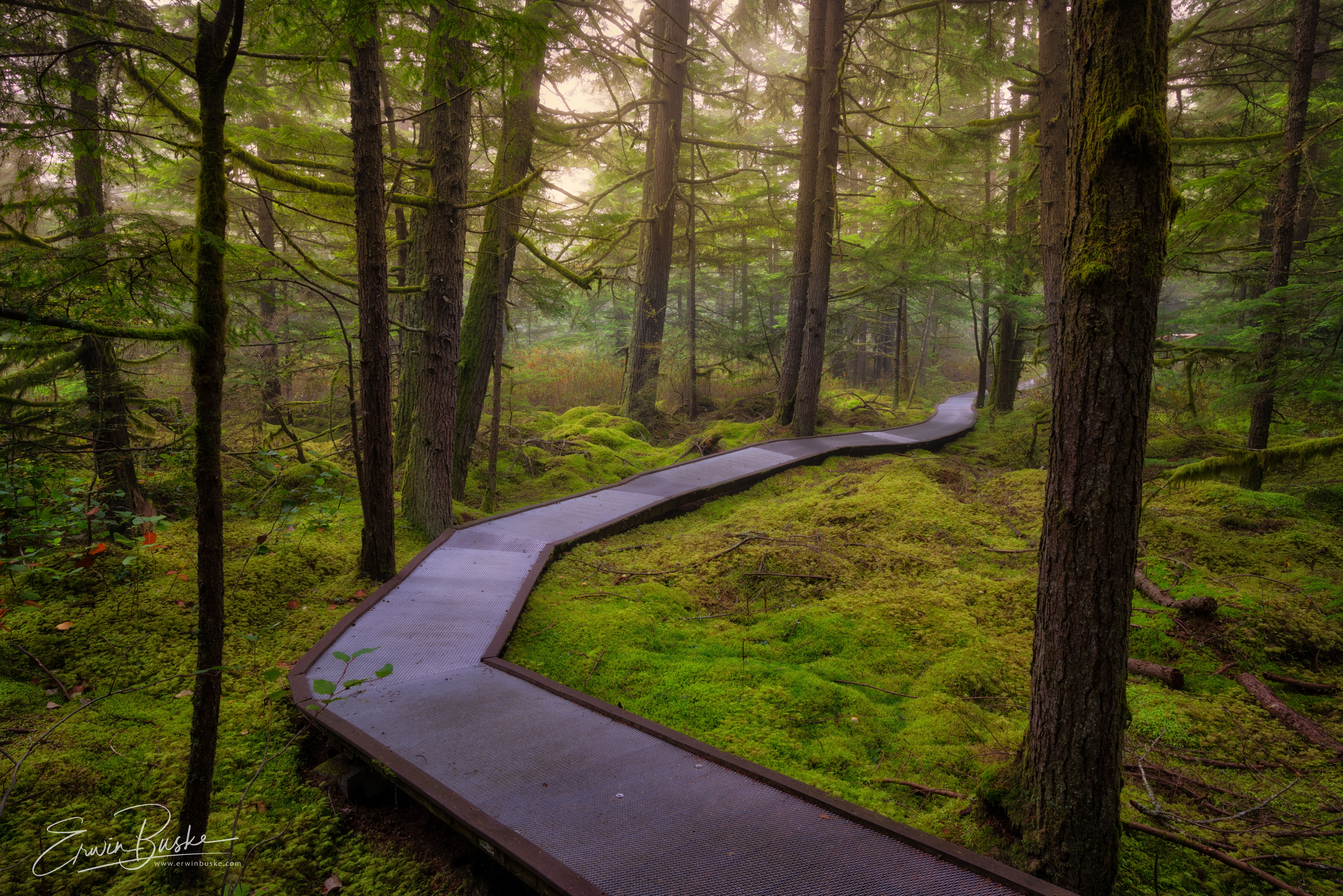

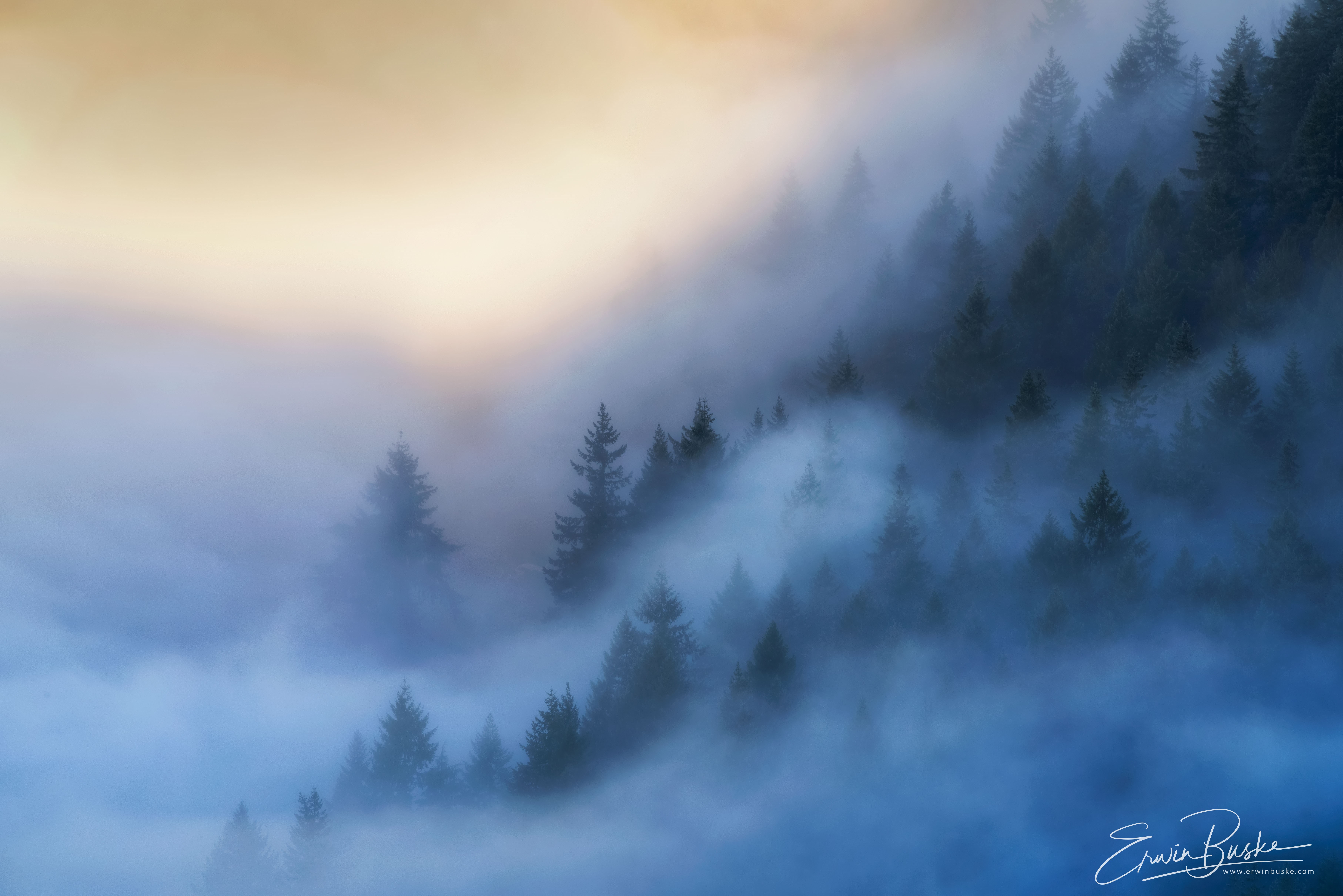

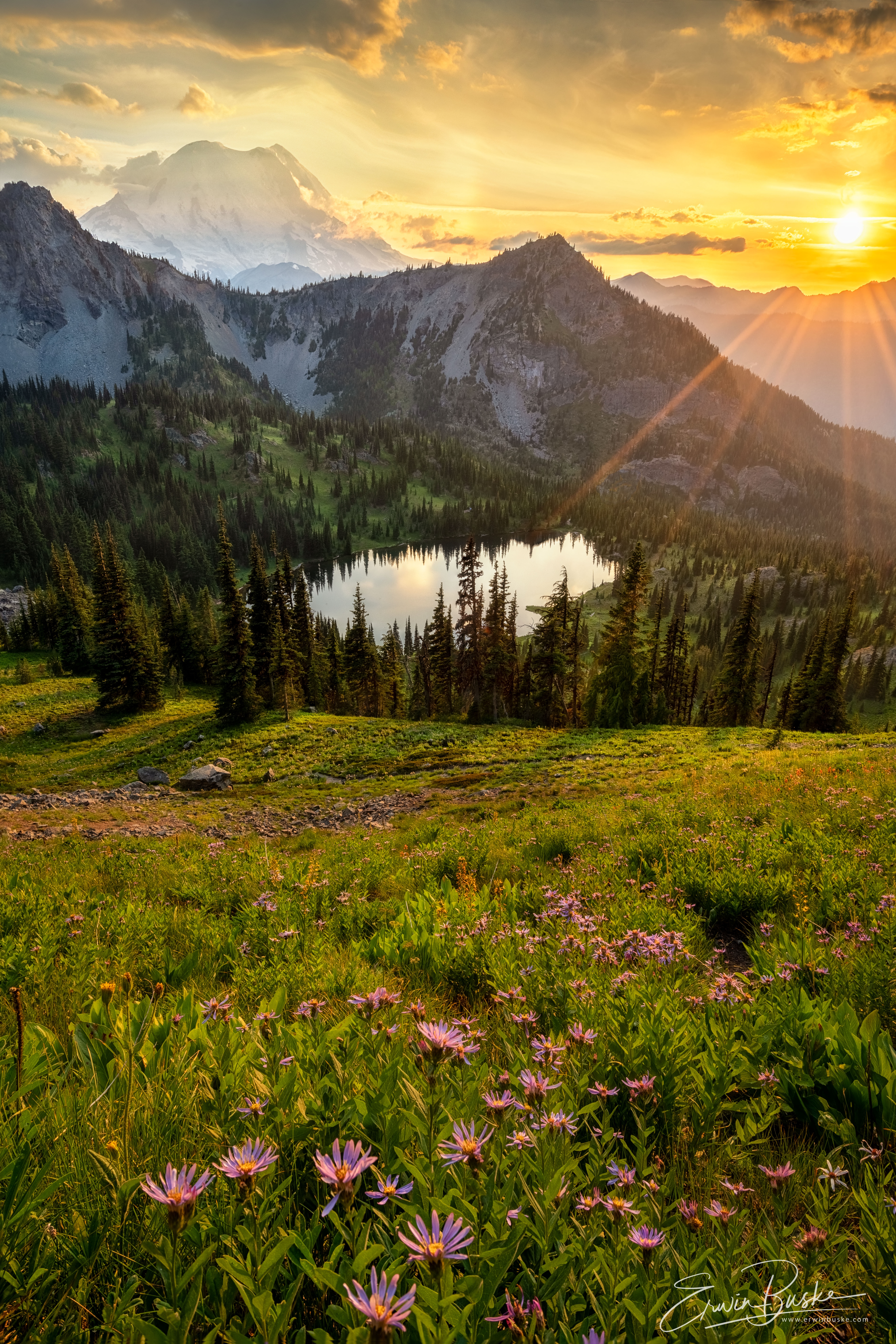

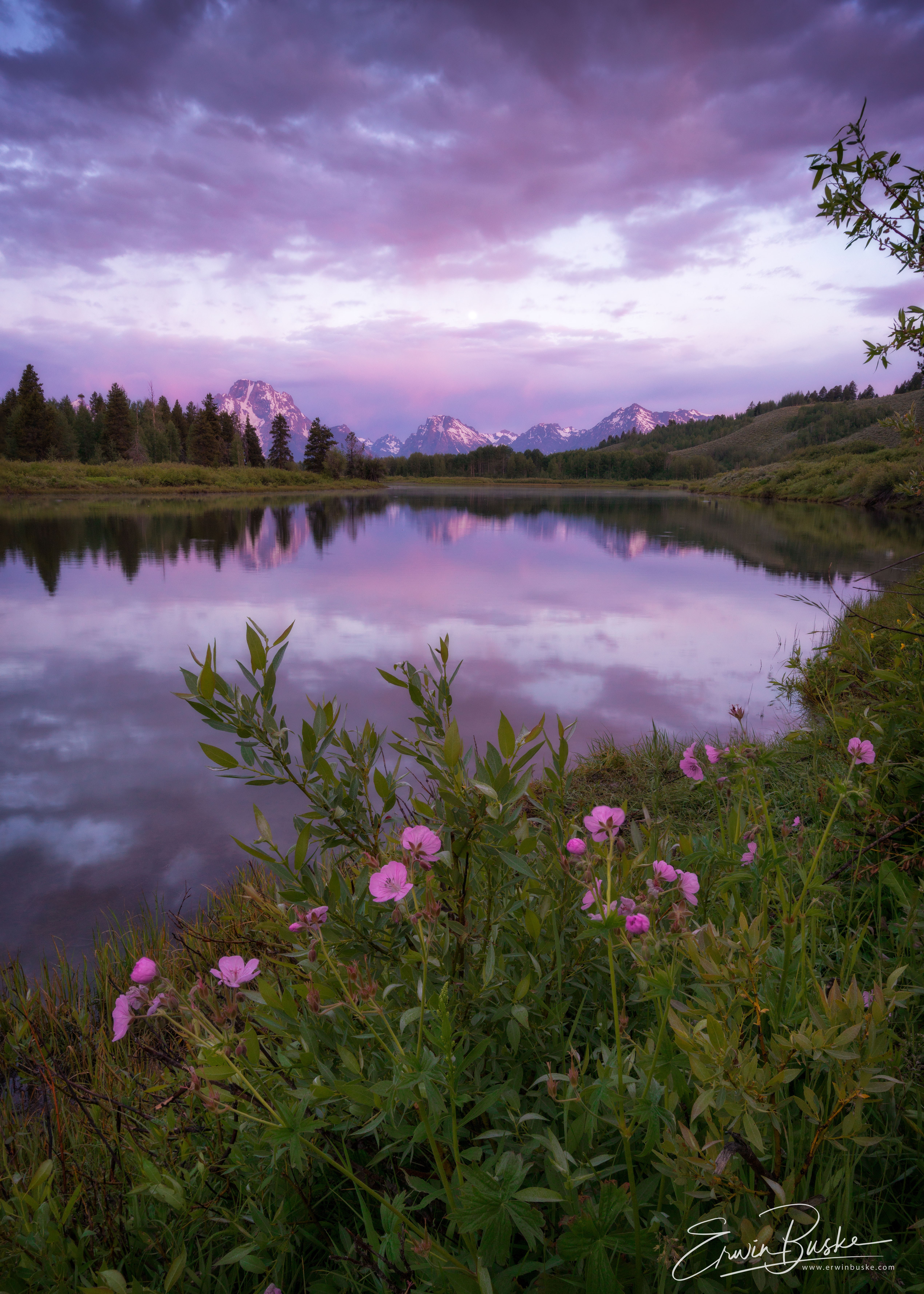
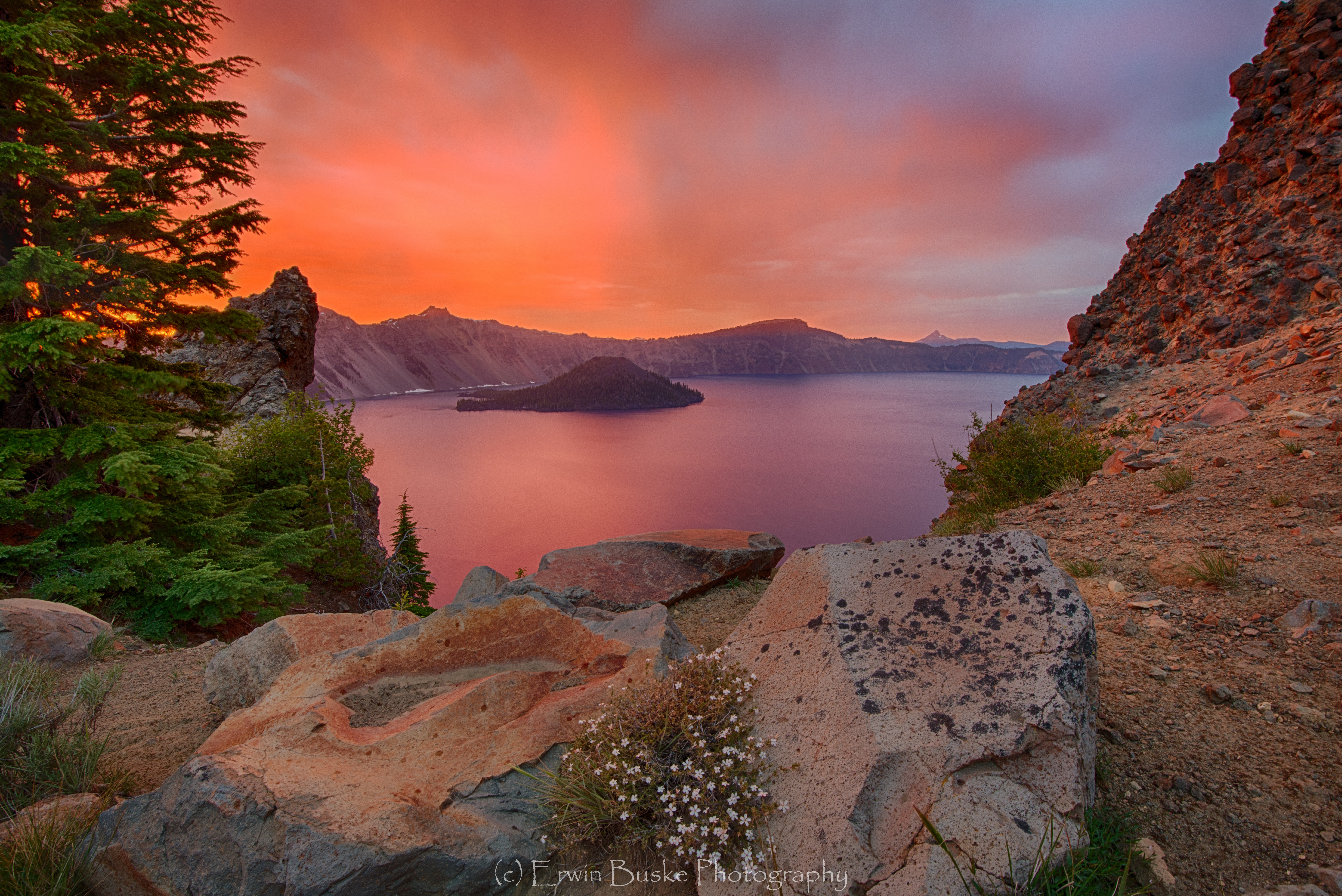
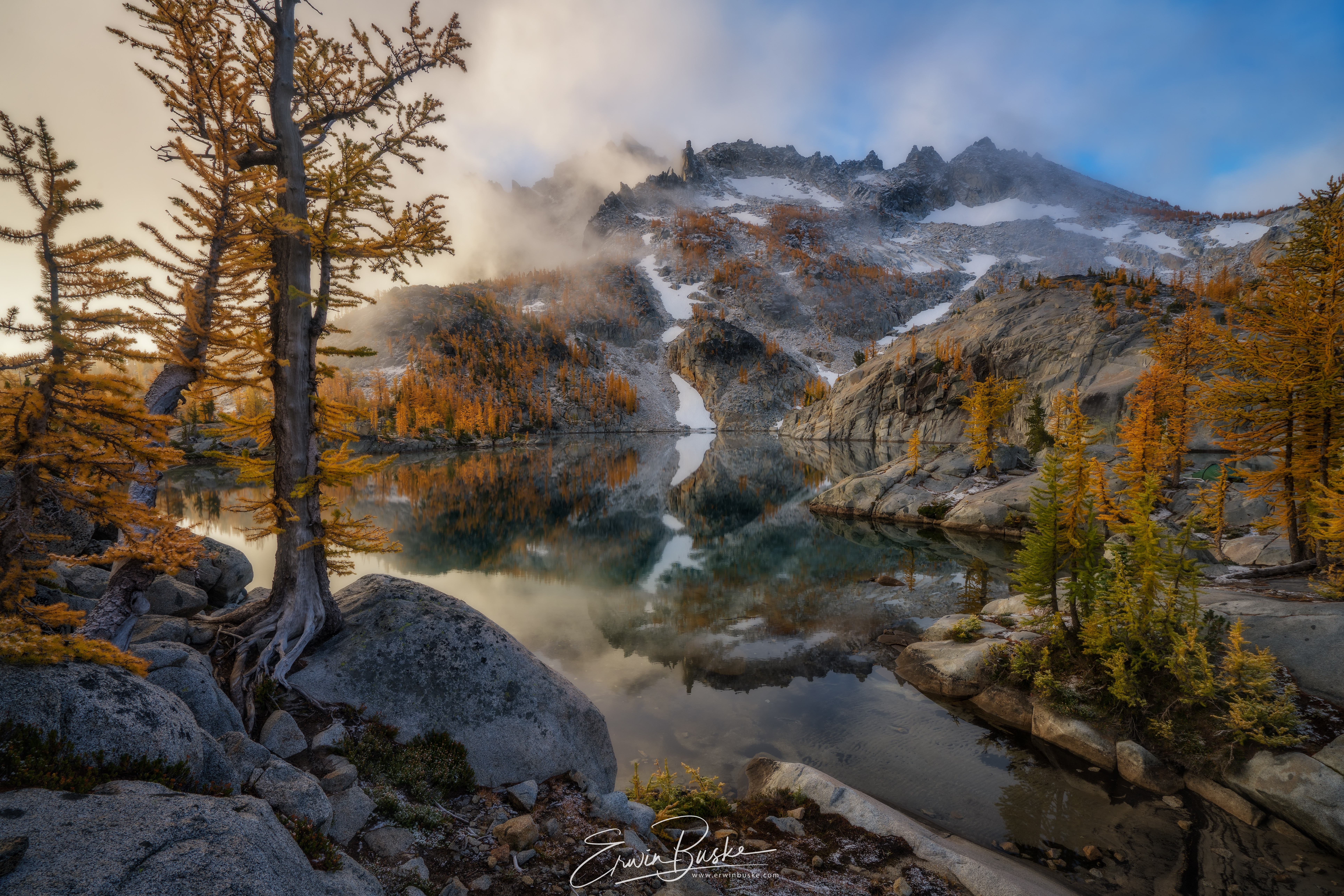
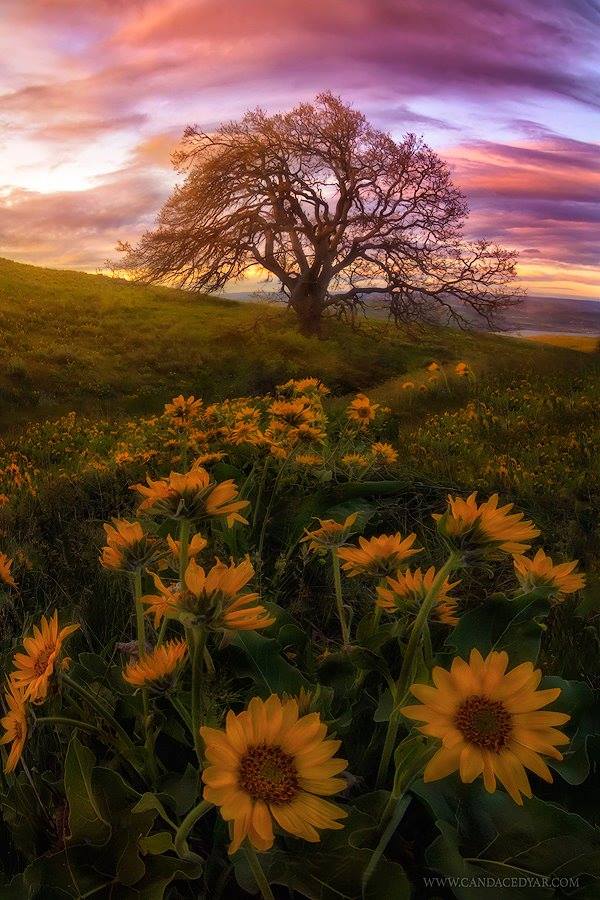
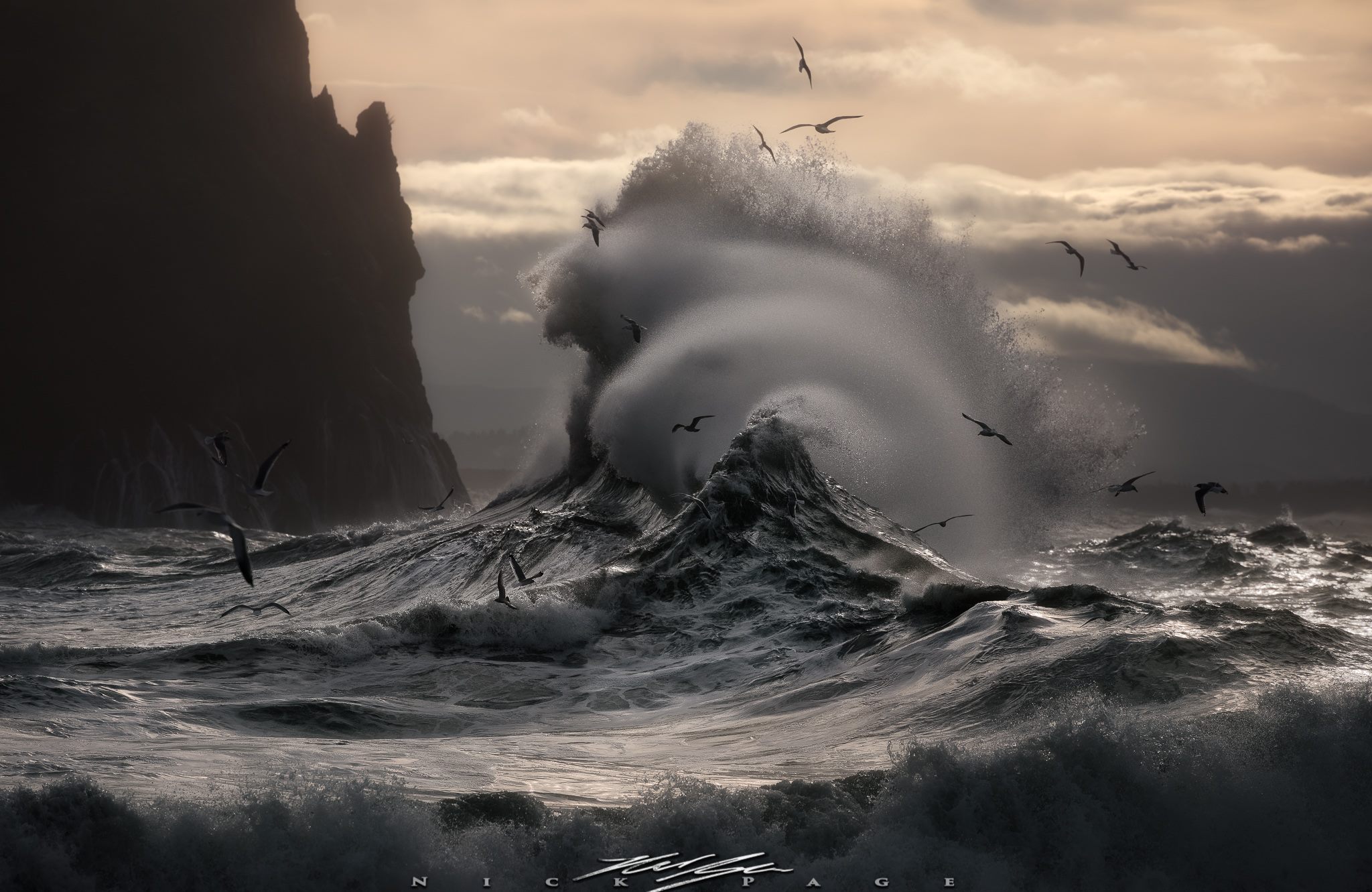
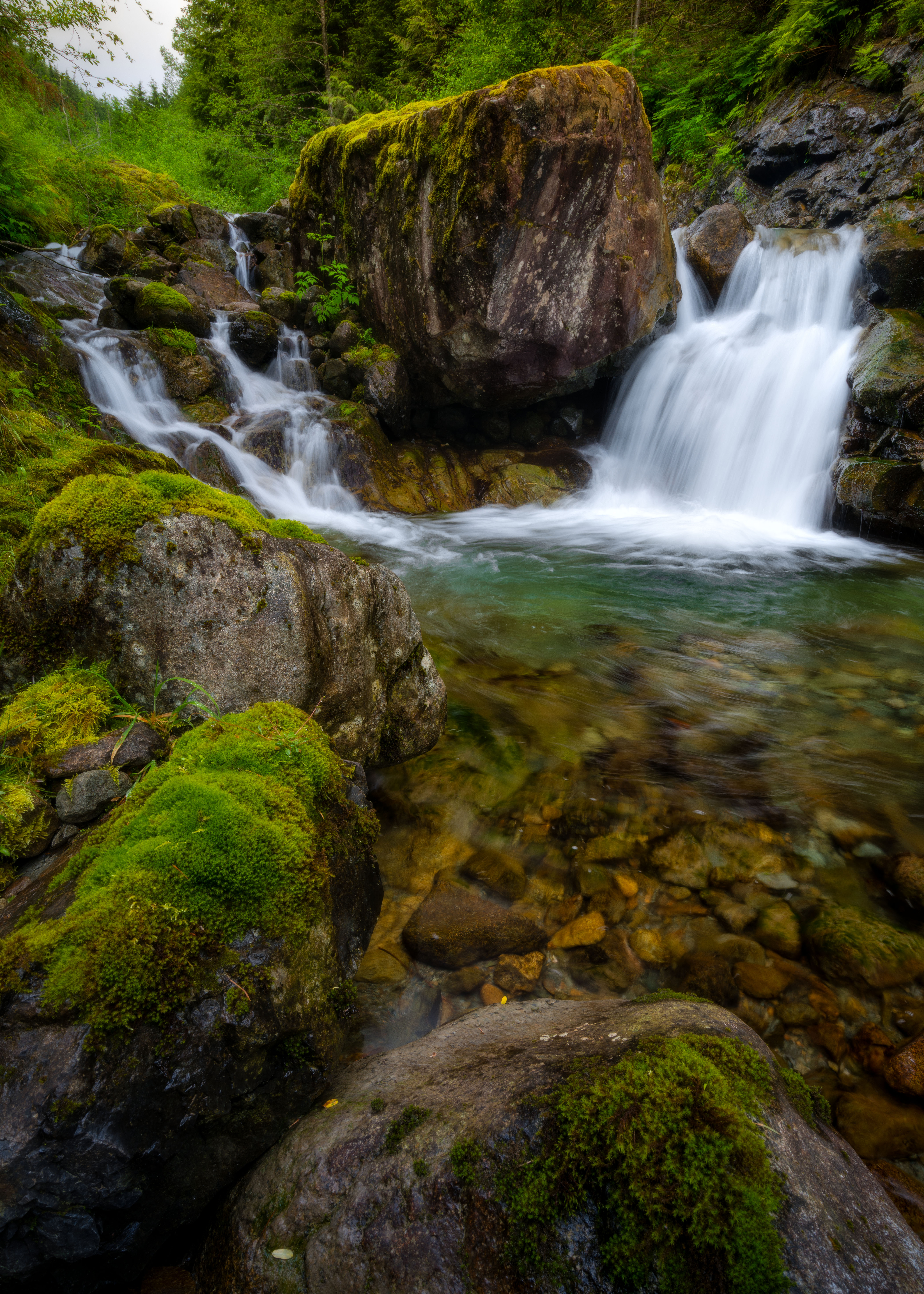


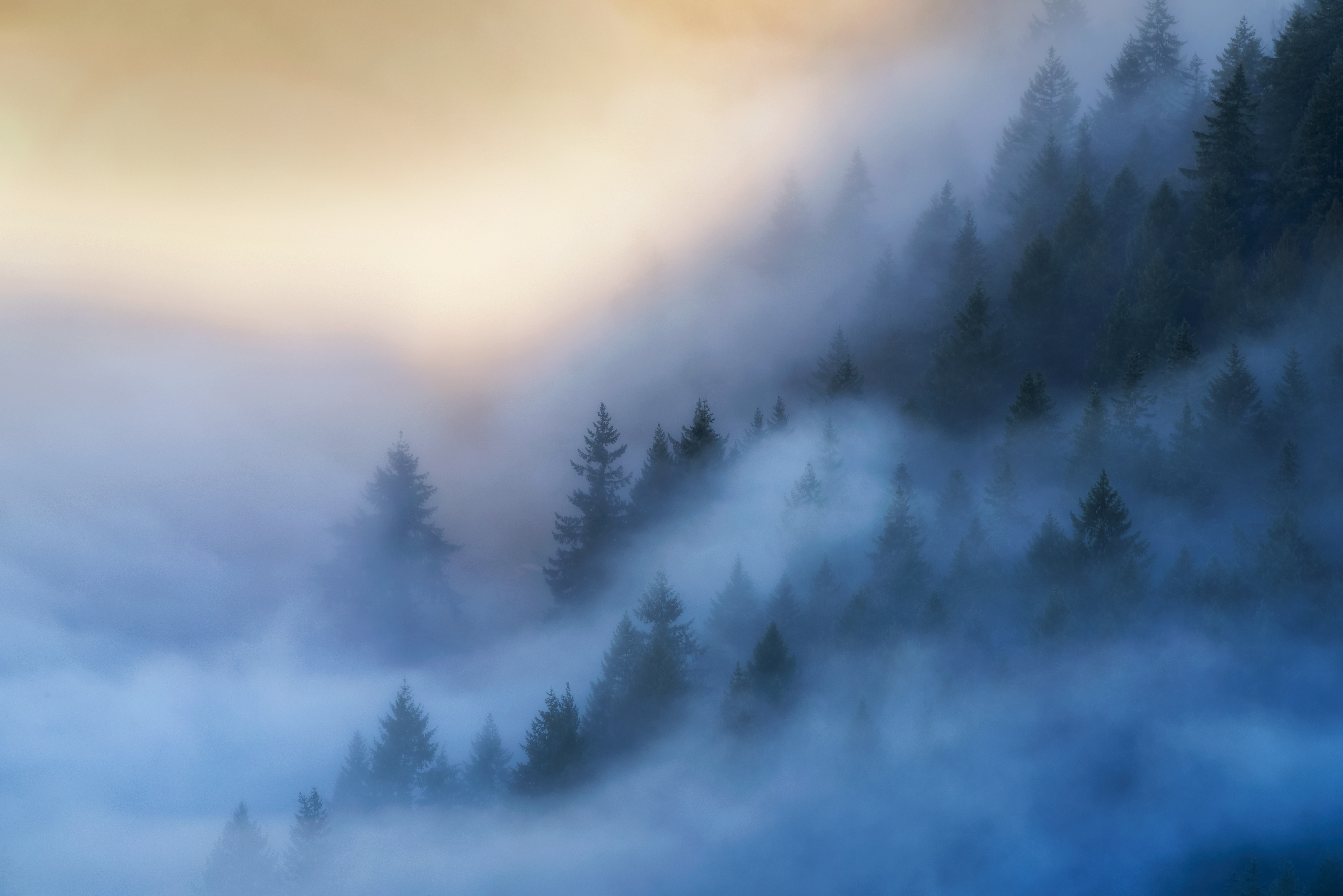
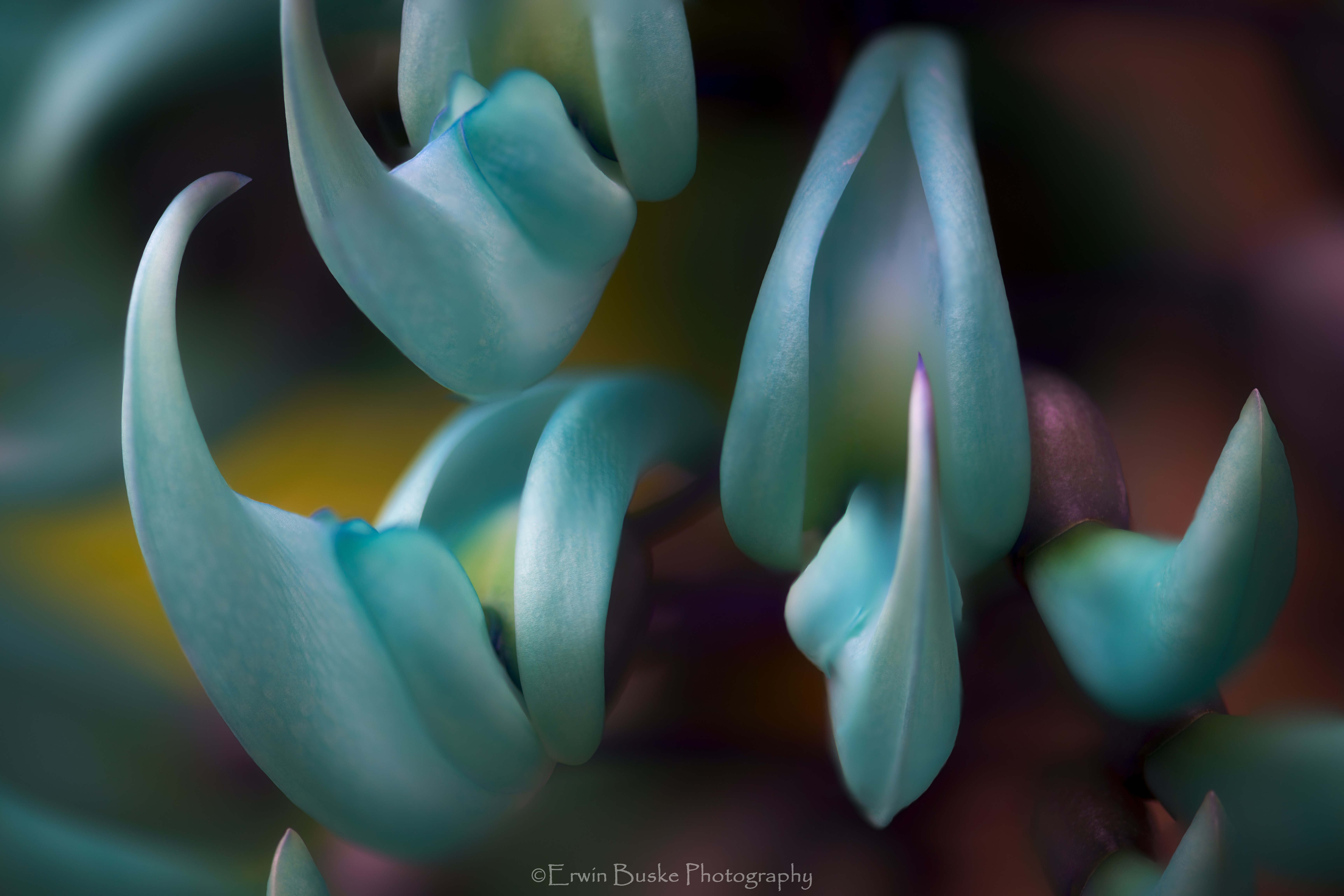
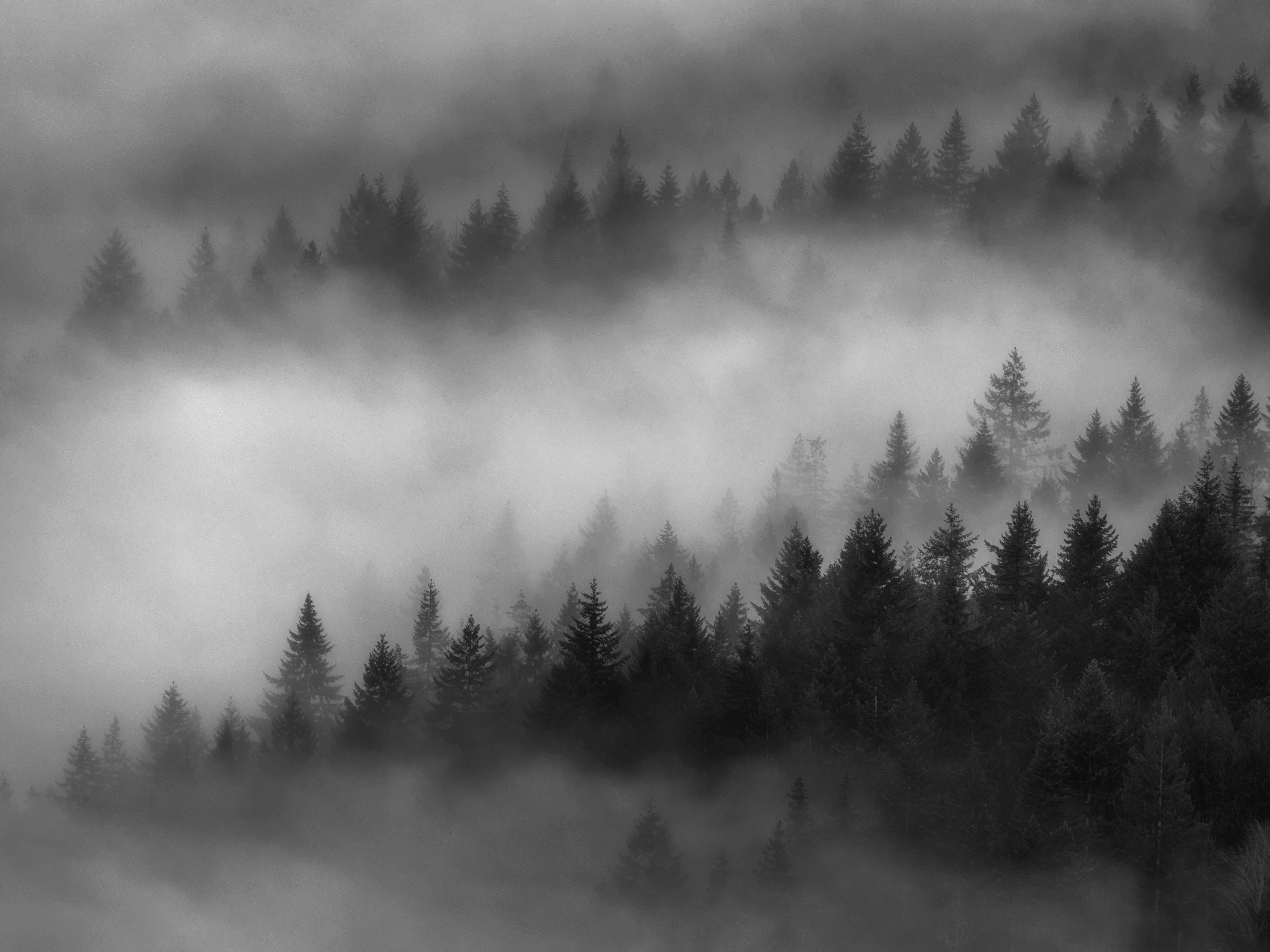


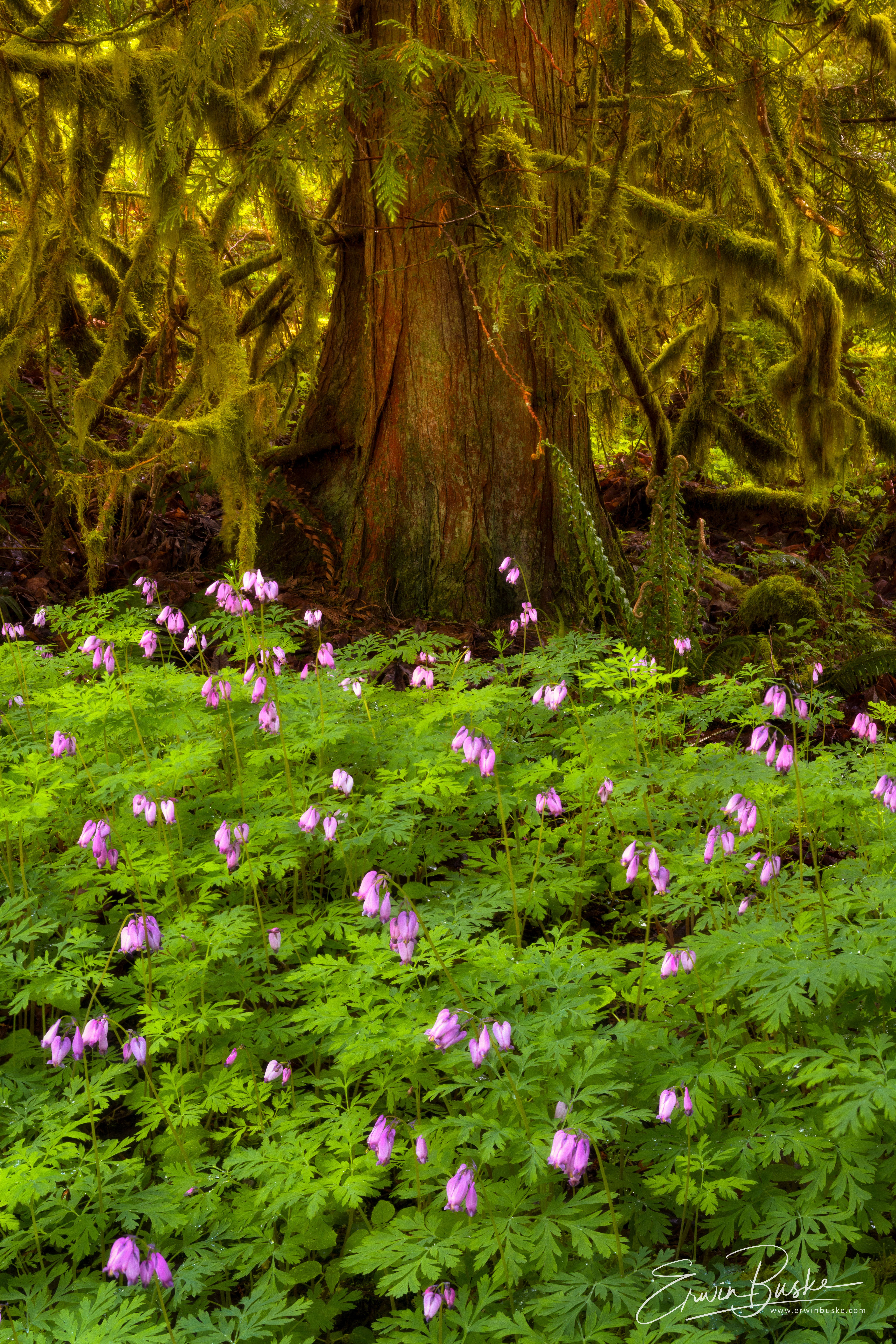
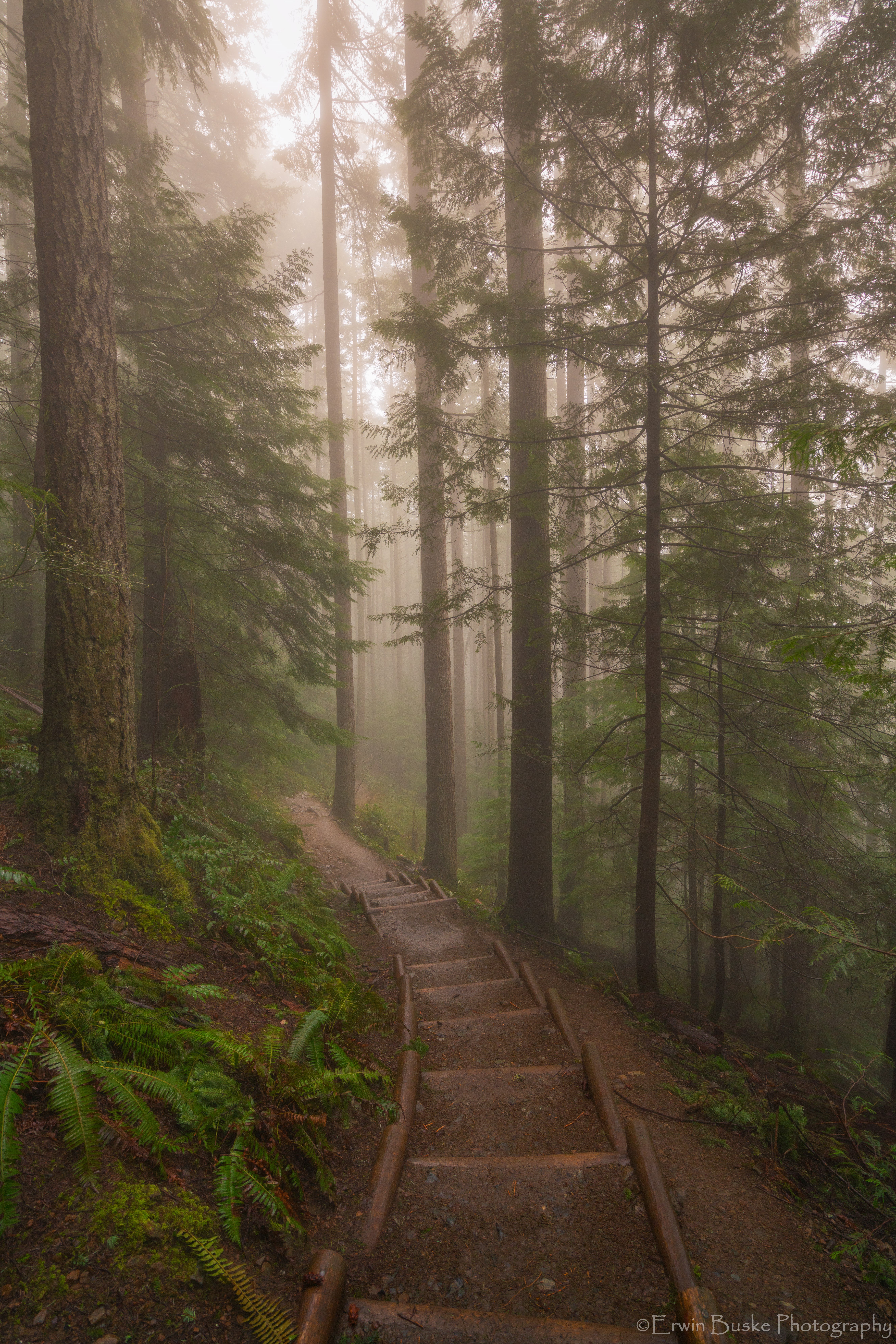
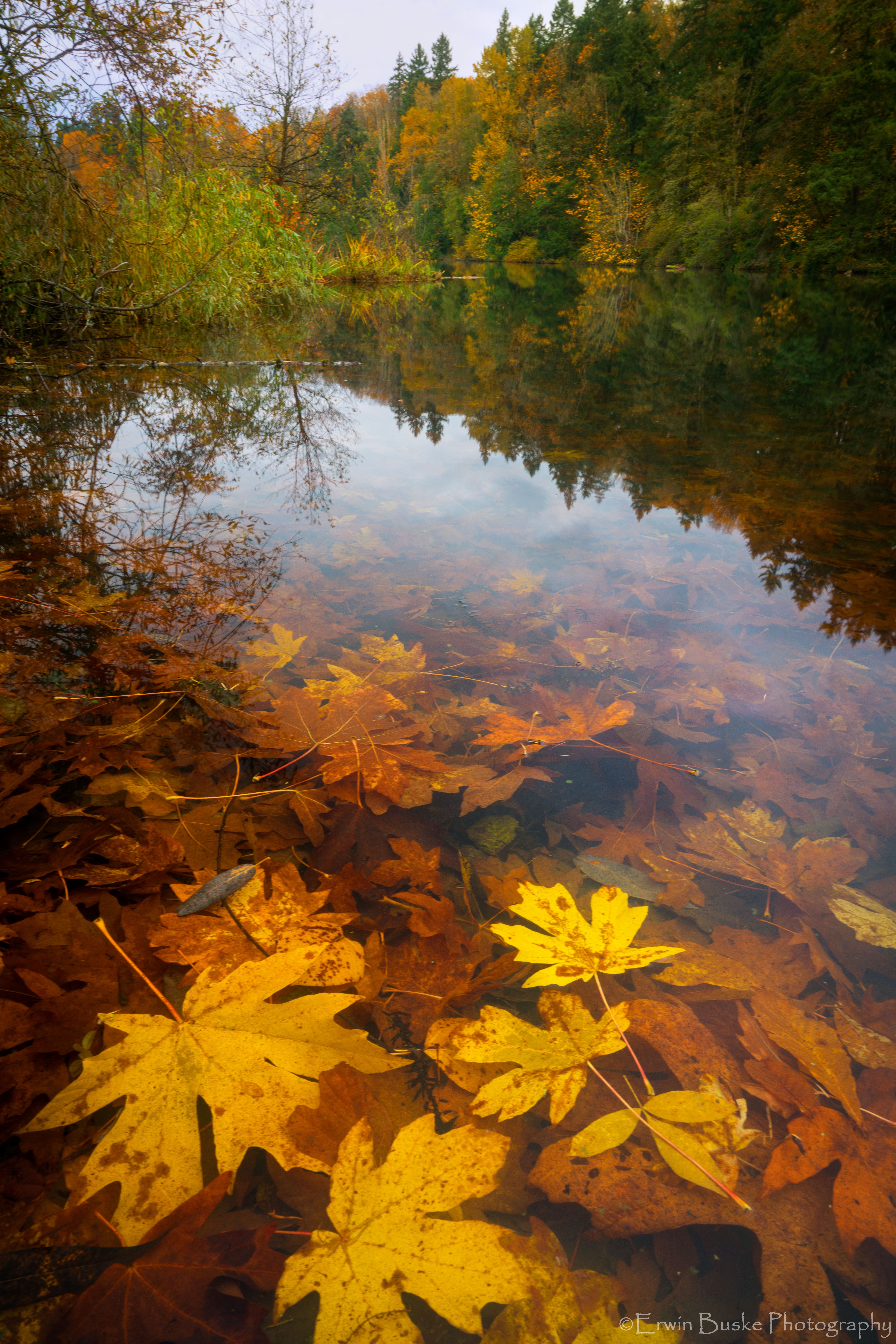
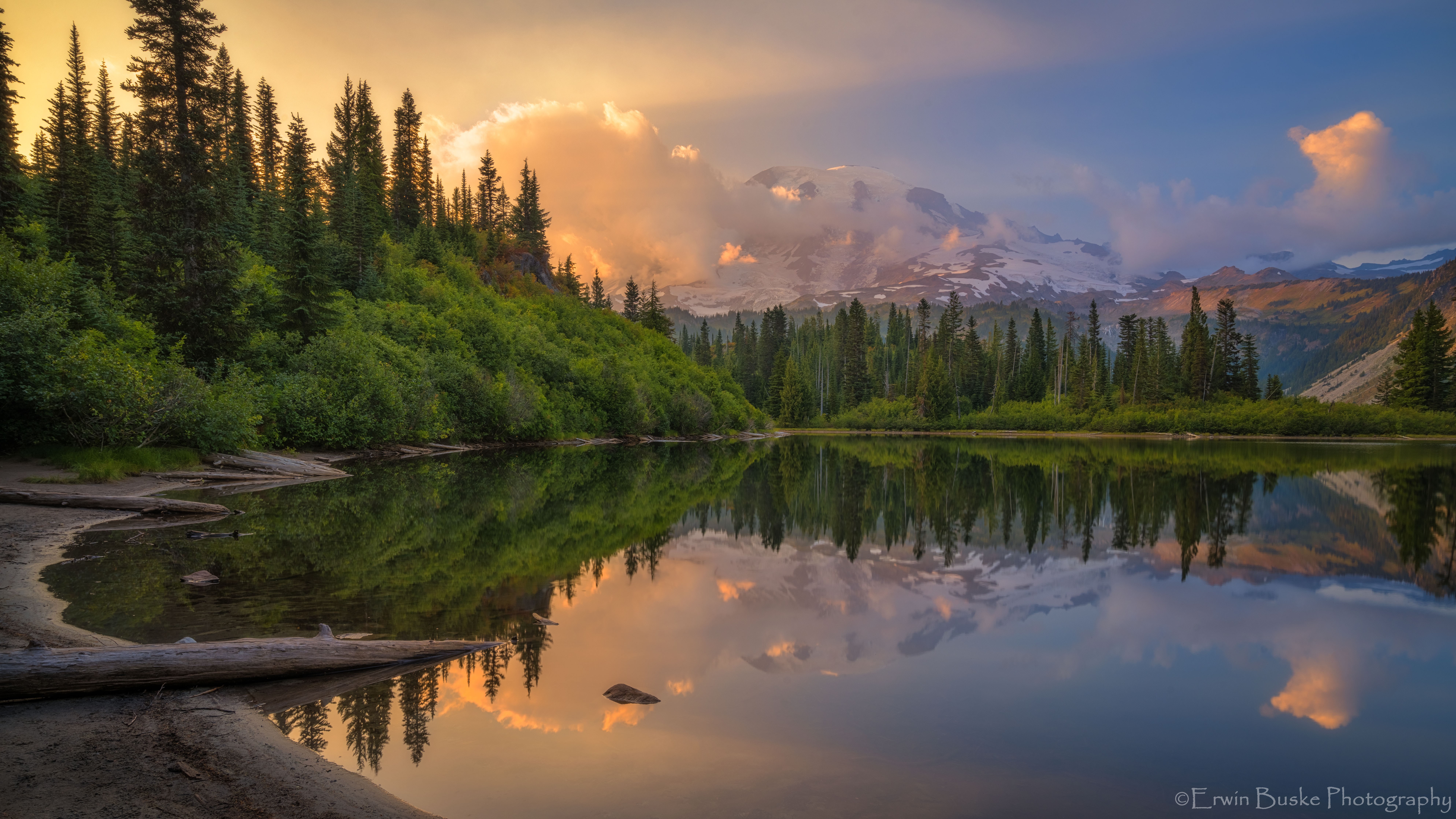
 Erwin Buske Photography Blog