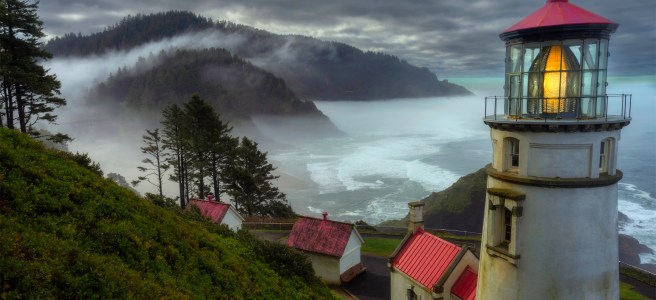
Images have the power to immediately impact our mood and bring to our awareness an emotional reaction much more so than words can. Testimony to this are several common phrases in our language the we frequently hear.
“A picture is worth a thousand words”
“Images speak louder than words”
“No Words” (phrase uttered after seeing an inspiring image”
“No Words Necessary”
“A picture that needs no words”
“The Picture Speaks Volumes”
“Beyond Words”
“Silence is Golden”
There are of course others, but I think you get the picture!


Words alone, however, are also powerful and can impact our imaginations, thoughts and emotions in a way an image cannot. When there are just words and no visuals, we have no choice other than to use our imaginations to conjure up our own images of the scene based upon our reading of the authors skillful integration of words. Our words can also provide a bold affirmation of our innermost thoughts and emotions in a way that others will also be able to understand. It is unlikely that our innermost thoughts and emotions will flow directly from just viewing a photographic image and must be communicated through the use of words.
A mile at sea, Cake Rock, against the blue,
Lifts its seafowl sanctuary. Harsh squawks
Float from the monoliths. A few
High breakers begin their crest and churns,
As I watch the sun sinking toward sea stacks,
And the world turns.
Nelson Bentley from Iron Man of the Hoh 1979
Nelson Bentley was a Pacific Northwest Poet and also Poet Laureate at the University of Washington with whom I had the honor of taking a few evening, for credit, poetry workshops during my college days. Bentley was a champion of writing about his personal experience firmly anchored in the landscapes of the Pacific Northwest. At one of these workshops he said something that I remember to this day: “There’s no such thing as a cliché image — any more than there’s a cliché maple tree. You don’t walk by a maple tree and say “Oh God, there’s another maple tree!”” Although he was talking about the use of words to paint images, I believe the same thing applies to images themselves. It does not matter if the image is a cliché or not if you are able weave into the creation of the image in an expressive way your own personal experience. When this is done best, others will also be able to relate to your personal experience in a way that is meaningful to them. But as photographers and storytellers, how do we best do this, with words, no words, or some combination of the two?
Stories
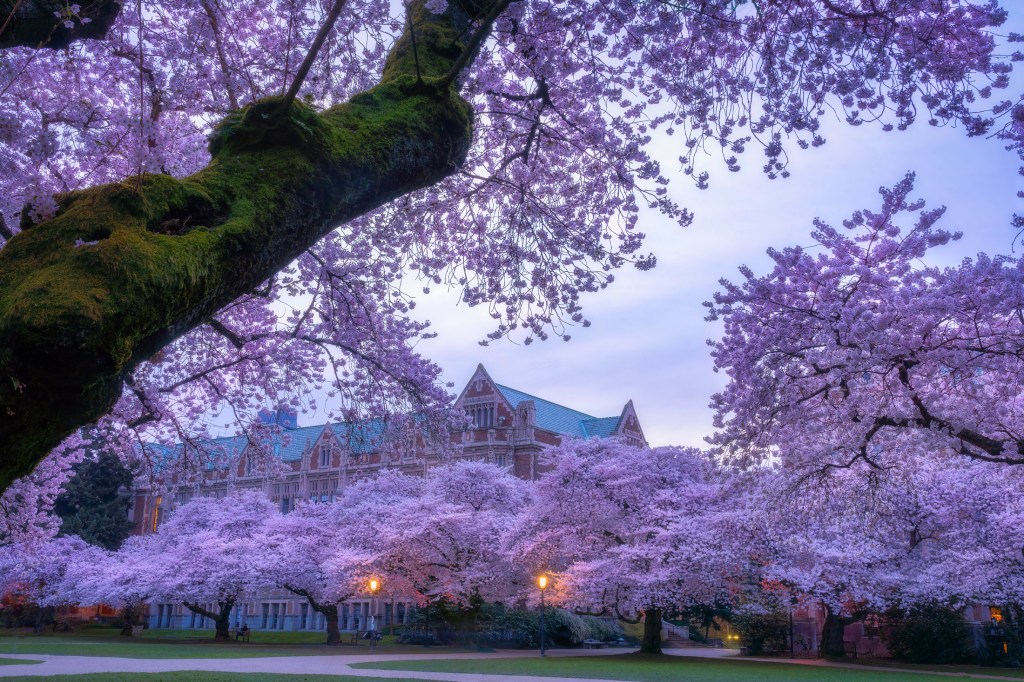
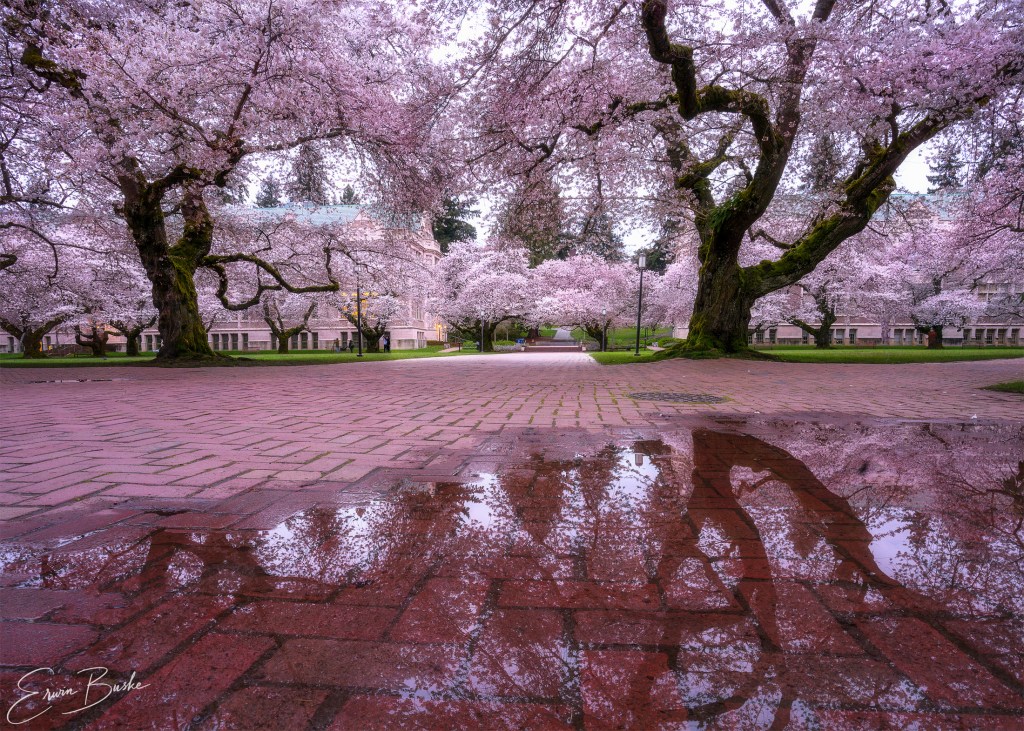
With Landscape and Nature images we tell several types of stories, sometimes using words but sometimes also using no words. For the purposes of explanation I will put these stories into the following categories: (1) the Journal Entry, (2) the Documentary, (3) the Metaphor, (4) the Message, (5) the Short Story, (6) Title Only, (7) No Words, (8) and the Evocation. Keep in mind, however, that these types of stories (with the exception of no words) can also be combined in the narrative. Nevertheless, one of these story types will usually stand out from all the rest.
The Journal Entry
The story we most often see in the narrative is the Journal Entry. The most basic journal entry is just a matter of fact descriptive story of where the shot was taken and some comments about the weather and light. Quite honestly this is what most of the time I see in image narratives. A more detailed journal entry may also discuss some of the photographic technique and thought process that went into creating the image. But just like in our private journals, a Journal Entry can also get into discussion of our emotional state at the time we took the image, and why this image has meaning to us. Some on social media even take it a step farther and make their journal entries something more like a confessional where they bear their innermost thoughts and secrets!

The Documentary
The Documentary, in the sense I am using it for this discussion, is a primarily factual description of either the natural history of the geographical area and or a history that also includes human involvement in the landscape. Some documentaries may also involve a discussion of how the environment is changing, either through natural causes or due human causes and possibly what we can do to reduce threats to the environment.
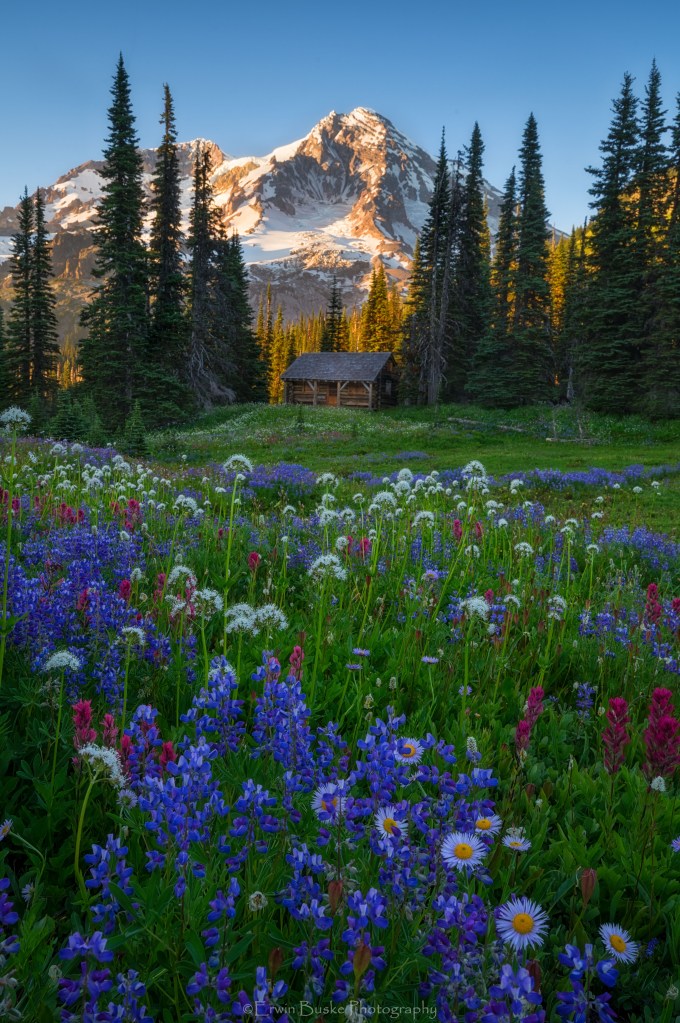
This image was taken in early August att Indian Henry’s Hunting Ground, Mount Rainier National Park. This cabin is in as beautiful setting as I could ever imagine and is like walking into a dream. Indian Henry, known as Soo-Too-Lick, early on (1883) guided several familiar names to Mt. Rainier including the Hunting Grounds. These familiar names include James Longmire Philemon Beecher Van Trump and John Muir. Indian Henry was a Cowlitz Indian, beloved by many people.
The Metaphor
The metaphor uses words to imply something that is not literally in the image in order to suggest a resemblance such as “Nature’s Church.” In the case of images the metaphor usually relies on objects in the image that have symbolic value to suggest the resemblance-for example rainbows and hope. Although the metaphor may be implied in the image itself, it is usually more of a conceptual creation that requires the author to establish the symbolic resemblance through the skillful use of words in the narrative.
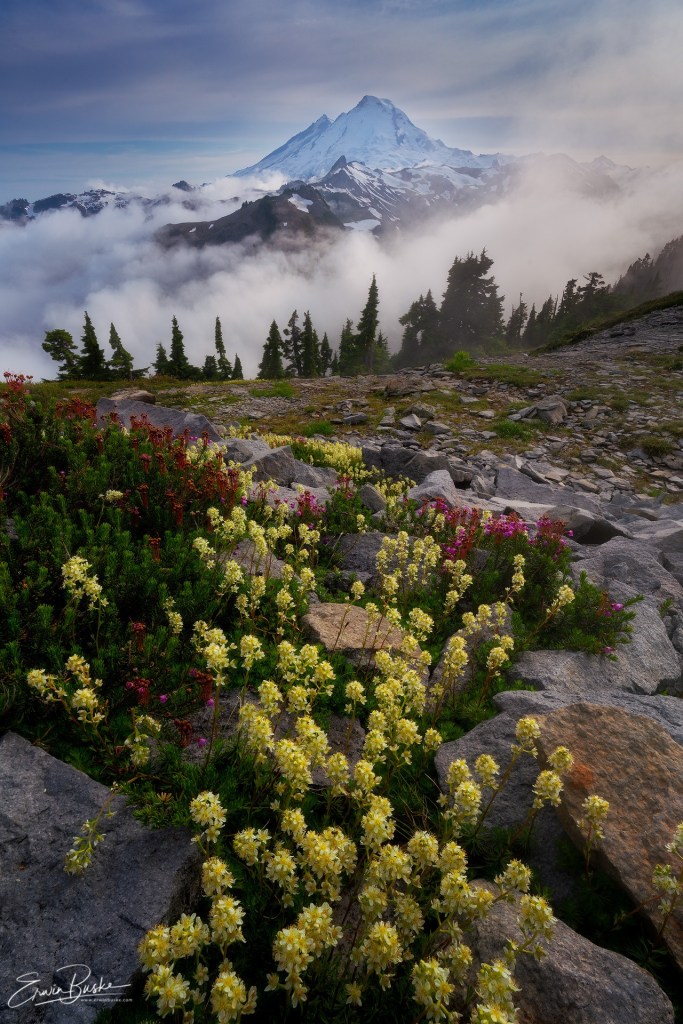
The moment when something changes after a long day in the clouds, Mt. Baker has risen.
The mountain was still lost in the clouds, which to me felt a lot like soul searching
and a process of self discovery. I know the mountain is out there and will eventually emerge
from the fog, clouds and mist. Just as I know my authentic self, the essence
who I am, has always been there just waiting to be rediscovered. When the
mountain comes into view, this validates the process of self discovery. The
image and story here is something others can relate to, share in the vision, and
participate in the metaphor of self discovery.
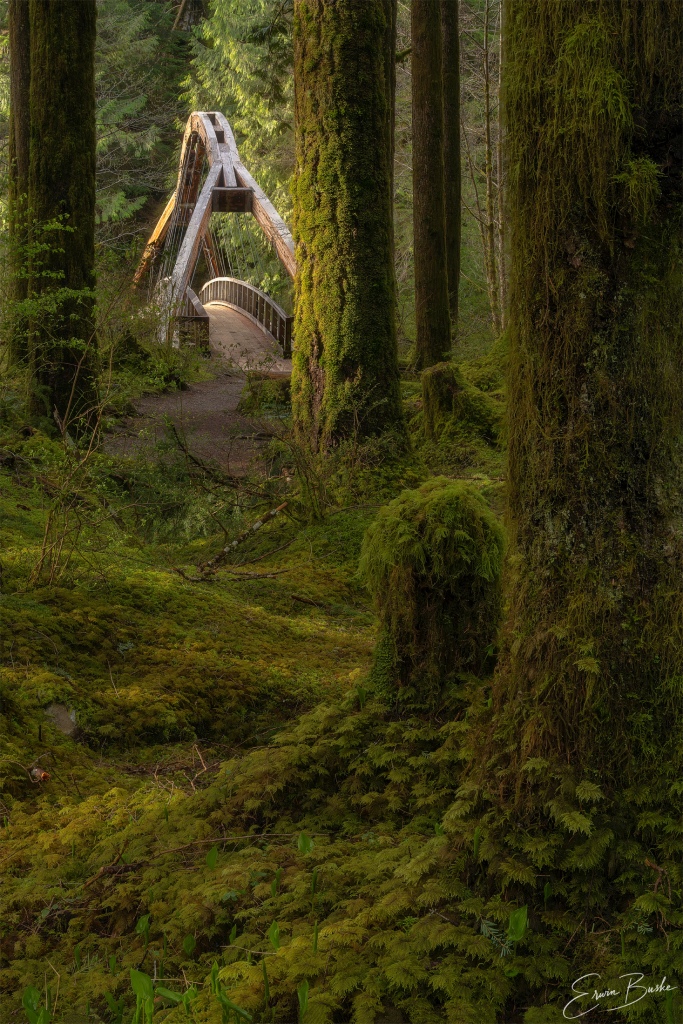
This has to be my favorite hiking suspension bridge and I return here often to visit this beautiful, lush forest and the wild Middle Fork of the Snoqualmie River, both which remind me of Tolkien’s world and the spirit of the Shire.
The Message
The Message, as I am using the term here, uses the image as an avenue to inspire others or as a call to action. The image may not relate directly to the inspirational message or the call to action, but it does help bring forward even ignite an emotional response that gests associated with the message through the skillful use of words. We see this often with the use of quotations from famous authors, but the resourceful photographer can craft his/her own words to accomplish the same result.

In the early morning at Cape Disappointment the sun finds an opening in the clouds to fill the entire atmosphere with wonderful angelic light. Every day in life is such a blessing and it is in moments like this I remind myself to live each day to the fullest. Every day is a new beginning. Who knows what is around the corner. Plan for tomorrow, but always live for today as if it were the last and welcome the light of dawn!
The Short Story
The short story (or in the case of images some might even call this a mini story!) goes way beyond what we typically see in an image narrative and includes a story usually in the form of a linier narrative centered around a sequence of events. Although short, the story will include key elements of any story–a setting, a protagonist, plot, dramatic conflict or tension, and resolution. Telling such a story coupled with an image can go a long way toward elevating a viewer’s reaction to the image beyond what would have been possible with just a simple narrative or no words at all. But the risk here is that the story itself will be primarily what holds our attention, with the image just being what initially grabs our attention. This is why if you choose to tell a short story that it is important to couple it with a compelling image that invites us to look deeper, and that could easily stand on its own with or without a narrative. Then the image and story, coupled together, will be far greater than the sum of the two constituent parts.

In the middle of a hot August, I started my long loop trip hike into the Goat Rocks at sunrise and did not finish until well after sunset. I suppose I could have finished sooner, but what is the hurry? In the evening I passed through this happy meadow just below a ridge top and decided just to hang out and enjoy nature at her finest for an hour or so. For the hike down from the ridge to the car, I eventually had to use a headlamp to help guide my way. In order to not surprise animals I played Neil Young music through my JBL speaker attached to my belt. No sooner than I set up the headlamp and music, I peered out onto the trail about 50 feet ahead and saw two narrowly spaced bright glowing eyes staring at me. At first I thought it was a person because the eyes were fairly high off the ground. Then I saw like a shadow a big and long bushy tail. It could have been a wild dog or cat, I do not really know for sure. The animal would not move so I turned up the music a bit more, now Neil Young’s Natural Beauty Song. The animal then slowly with grace, almost like our family cat Precious, started moving up the rock talus and perched onto a flat rock like a silhouette and sat down like a royal cat still looking at me with those glowing eyes. Amazingly calm, I proceeded back out onto the trail but it later occurred to me that if this was a cat it may have just positioned itself in a prance position. Nevertheless it was all ok and good—Perhaps thanks to some mellow Neil Young music!
Just a Title or No Words
In the early days of photography most images were presented without the use of words with the possible exception of the title. Although the title might give the viewer some information about the image such as location or time of day, the image itself tells the story or touches people in such a way that they can tell their own story in a way that speaks to them individually. I do acknowledge that a well chosen title can give the viewer a meaningful clue of how to interpret the image and this is why some purists do not use even a title and opt for no words. Some nature and landscape images may tell a story relatively easily, such as a transition from one season to another; or a river that meets the sea. But most will need to have sufficient emotional impact to stir the viewers subconscious and imagination in such a way that it invites them to go deeper into the image and tell their own story.
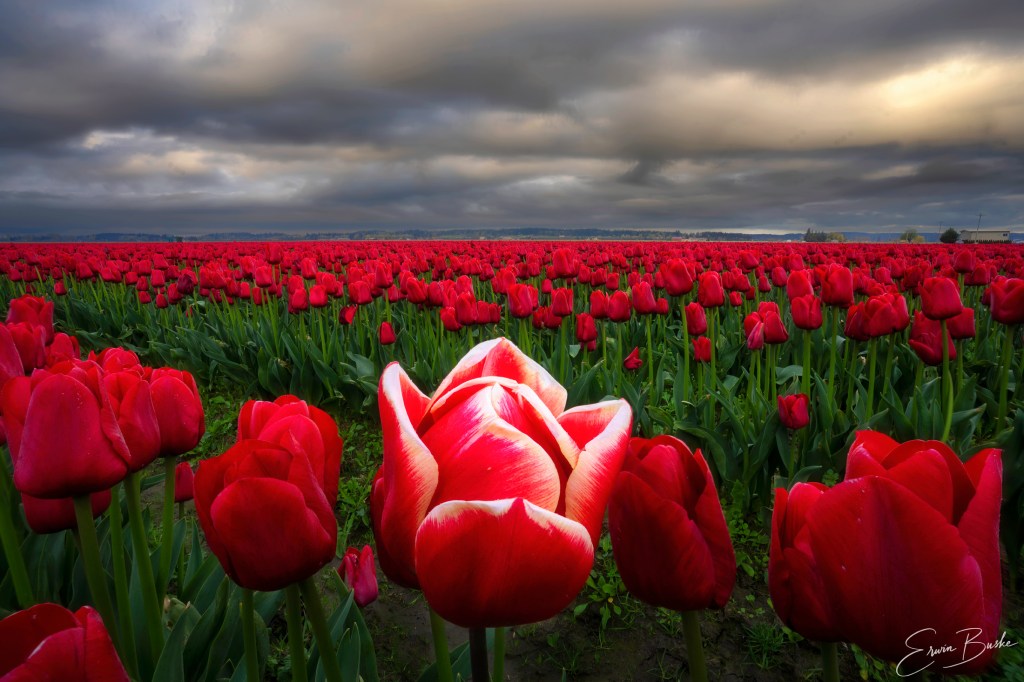
At least one third of the time I do not include a narrative at all with my images other than a title for identification purposes. On my Instagram stories, I often even abandon the title. The reason I do this is a conscious choice. I believe that a particular image is sufficiently strong that it will immediately cause an emotional reaction in the viewer. The viewer will connect with the image and tell their own stories as evidenced by detailed social media comments that resemble a narrative. Anything I say in my own narrative will likely just get in the way of this spontaneous story telling.

One of the ways of displaying images without words that I like best is a slide show synched to just instrumental music. Although the music complements the mood of the show, most of the emphasis is on the images, their sequencing, and transitions for image to image. The images collectively work together to tell the story in such a way that is far greater than the sum of the individual images. Here is a recent slide show I put together, the Rhythm and Moods of the Pacific Northwest, with my daughter Caroline playing the piano. One can do something similar in a portfolio of images, putting the emphasis on the images rather than the narrative to tell the story-a much more challenging task than combining the images with a narrative because the story needs to develop from just the images themselves.


The Evocation
The evocation recognizes no words can describe the wonder and beauty of nature. The image itself is actually the best expression of the wonders and beauty of nature. But if we want to also use words to complement the image, the best a person can do is to use evocative rather than literal language. Literal language seeks to fully describe the mystery of nature often in scientific terms but always somehow falls short. Evocative words as described by the Zen poet Ryokan are like a “Finger Pointing at the Moon”. Symbolically the finger represents the words and the moon nature or reality. The finger only points at the moon, it is not the moon itself. Words only give us an expression of the wonders and mystery of nature, and are not to be confused with nature itself. The evocation usually uses more poetic language to express to the reader a sense of what he or she experienced in the process of creating an image. Words will be carefully chosen for their sound with extensive use of alliteration and consonance (repetition of sounds), rhythm and perhaps even rhyme. Words chosen for the narrative will often be metaphors in their own right such as “Foxglove” and “Avalanche Lilies”. Where sound is implied in the image, the writer will use Onomatopoeia– words that, through their sound and well as their sense, echo and mirror the sounds implied in the image. Frequently but not always, such words are natural sounds. Beez buz, cows moo, birds chirp. The narrative will be rich imagery, symbols and descriptions of feelings that do not just literally describe the photography but complement it so that the photography and narrative together take us beyond the literal and allow us to better appreciate the mystery of nature. For more on the mystery of nature, see my blog post Mystery: The Holy Grail of Nature Photography.
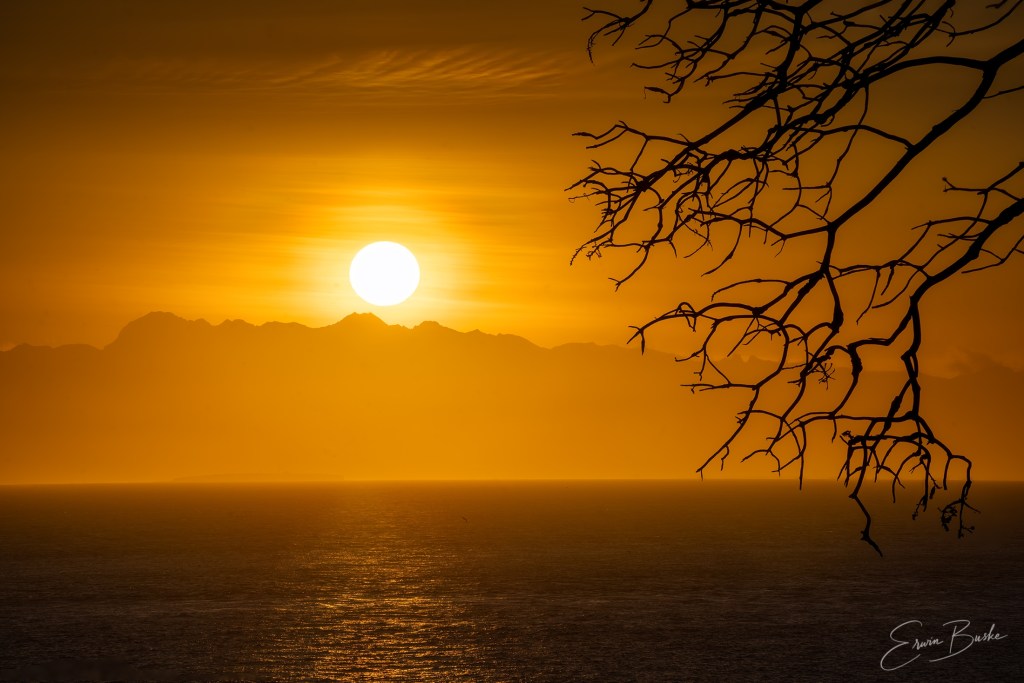
Contemplative Photography and No Words
It seems to be in vogue right now within the professional landscape photography community to insist that all images need a narrative. This is in part a reaction to their tiring of images on social media whose primary purpose is to grab our attention immediately in order to garner likes. I understand this frustration, but this kind of skepticism goes too far when applied to all images with no narrative. The Contemplative Photography Movement which is known for images that are not immediately attention grabbers offers a case for using no words, not even in the title. Lets review some of the key precepts of the Contemplative Photography Movement.
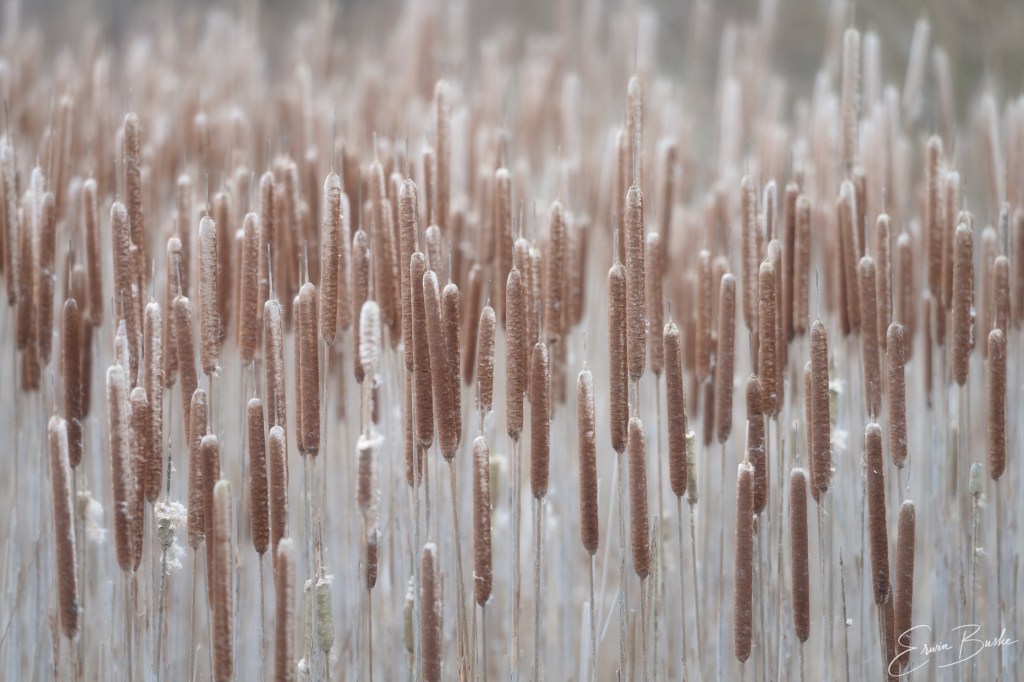
One of the primary precepts of Contemplative Photography is that our thoughts and words are like filters that alter reality. In order to connect more directly with what we are seeing we need to quiet the mind. This is done through a more mediative approach to photography. In this regard a precursor to the contemplative approach is slowing down, spending time in nature, and developing an unfiltered awareness of ourselves, nature, and the landscape. Words themselves are considered a filter. Once I name and label something with words, I am already picking out something in my surroundings and in effect objectifying it, giving it special importance. But this very process interferes with my ability to connect with all of my surroundings and downplays interrelationships. Many of you are likely saying by now, but is not this what we do in photography-identify a subject and separate it from the background? Contemplative photography definitely will identify a subject in the image, but the process for doing this will be quite different, one that preserves a more fluid relationship and interconnection between myself, the subject and my surroundings.
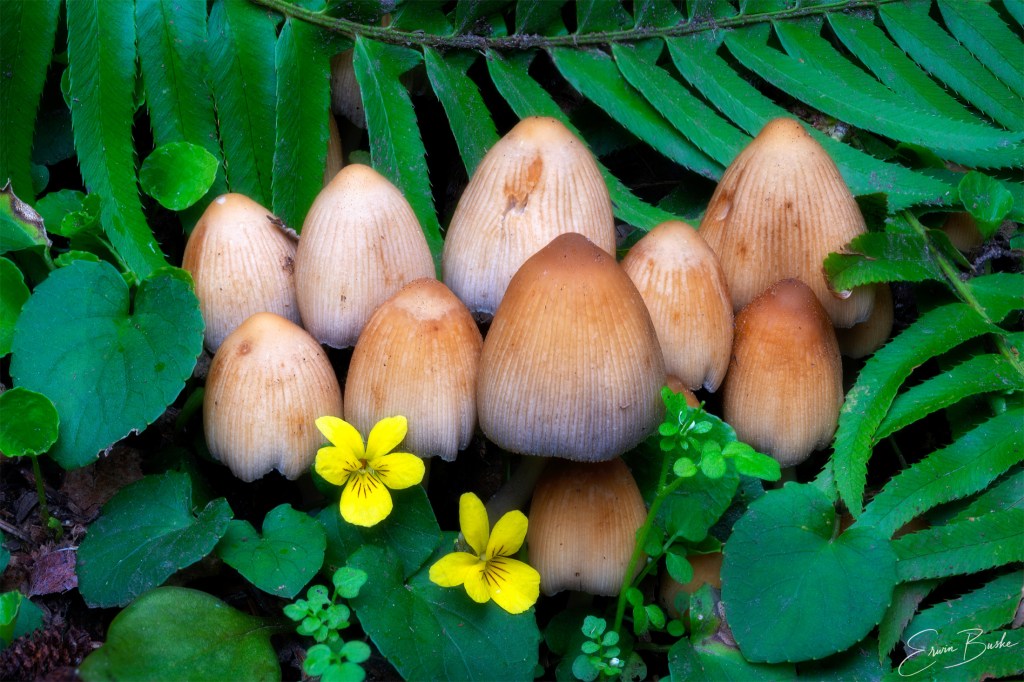
- Connecting with a Flash of Perception
- Visual Discernment
- Forming an equivalent to what we have seen
Flash of Perception
A flash of perception comes in the gaps in the flow of our mental activity. Mental activity is often characterized by sticky attachments to our conceptual thoughts that surround what we are feeling at any given moment. Through time in nature, slowing down, meditation, and mindfulness these conceptual thoughts loose some of their grip. Then when one of these gaps in our mental activity occurs we are more ready for a flash of perception. This is also the stage where the dialogue begins with our unconscious self and we become more aware not only of our surroundings but also our inner selves. A flash of perception is not an intentional activity, one cannot plan for it, and is a bit like seeing something out of the corner of ones eye. Most people with miss this flash of perception, and only those who are ready for it will recognize the flash, those with a open mind and heart.
The state of mind of the photographer while creating is a blank… But it is a very active state of mind really, a very receptive state of mind, ready at an instant to grasp an image, yet with no image pre-formed in it at any time.
Minor White
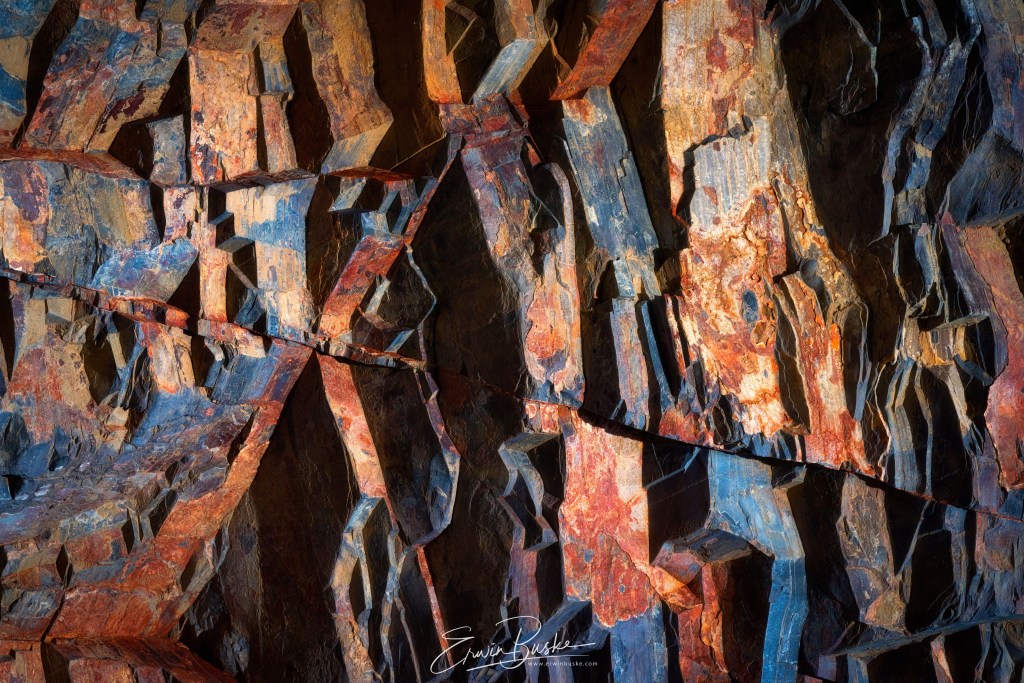
Visual Discernment
Visual Discernment involves staying with the contemplative state of mind after the initial flash of perception. Here we rest with our perception and allow the basic qualities of form, light, patterns, tones and textures to be recognized through our intuitive non-conceptual intelligence and the feelings we are experiencing. Visual discernment slows us down even more and gives us some space that allows our photographic vision to emerge.
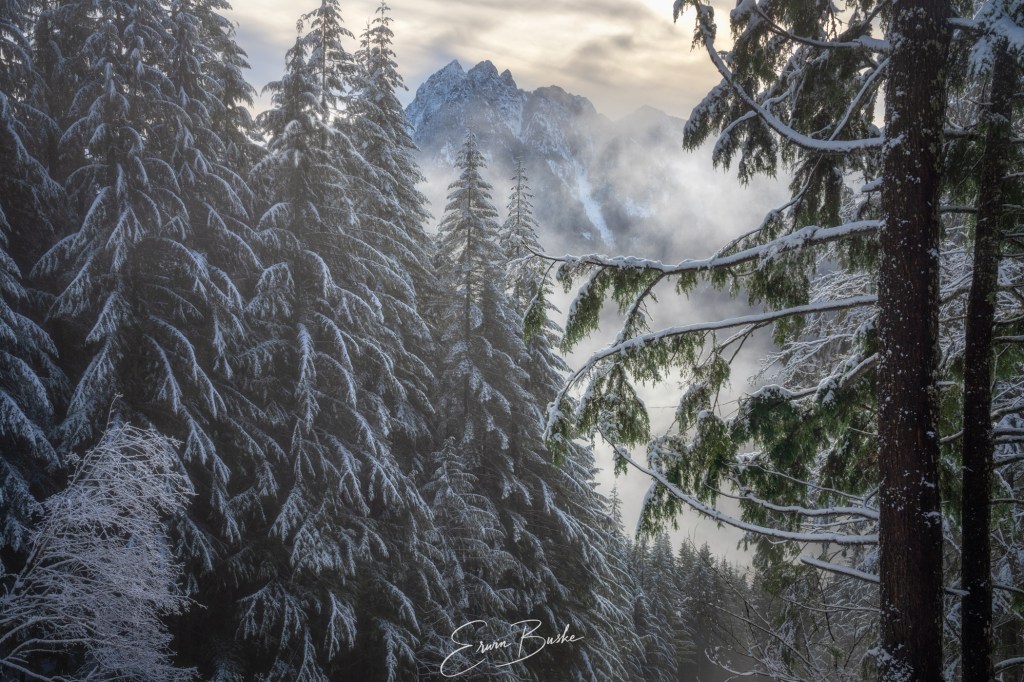
Forming a Visual Equivalent
Forming an Equivalent involves forming an equivalent of your perception, taking and processing the image. The image will be the equivalent of your perception and it should be obvious it will not be the same thing as this is impossible. The Contemplative Photography approach as it was originally envisioned involves a more representational style, but the resulting image is not so much a documentation of our experience as a creative expression of our experience, especially our inner experience. This is what makes the resulting image unique and always creative.

My Approach
Although some who practice contemplative photography do not title their images or use a narrative, this is not the approach I adopt 100% of the time. Helmut Mohelsky in his book Seeing With Your Own Eyes, offers a defense for not using titles or a narrative.
“To leave one’s images untitled is consistent with the contemplative approach to photography. A clear vision leads to images that are self-explanatory. Generally speaking photographers give a title to their work when they identify with the particular subject. The titles are the result of a mind that reflects, associates and interprets what it sees. In contemplative photography, we are engaged in a very different process. We do not base it on identification with a particular subject, idea, or emotion. We don’t prepare for the content of a flash of perception, nor do we base it on an idea, nor do we pre-visualize or imagine it. While the clarity of the flash lasts, our mind is not reflecting. It is unobstructed. ” (2)
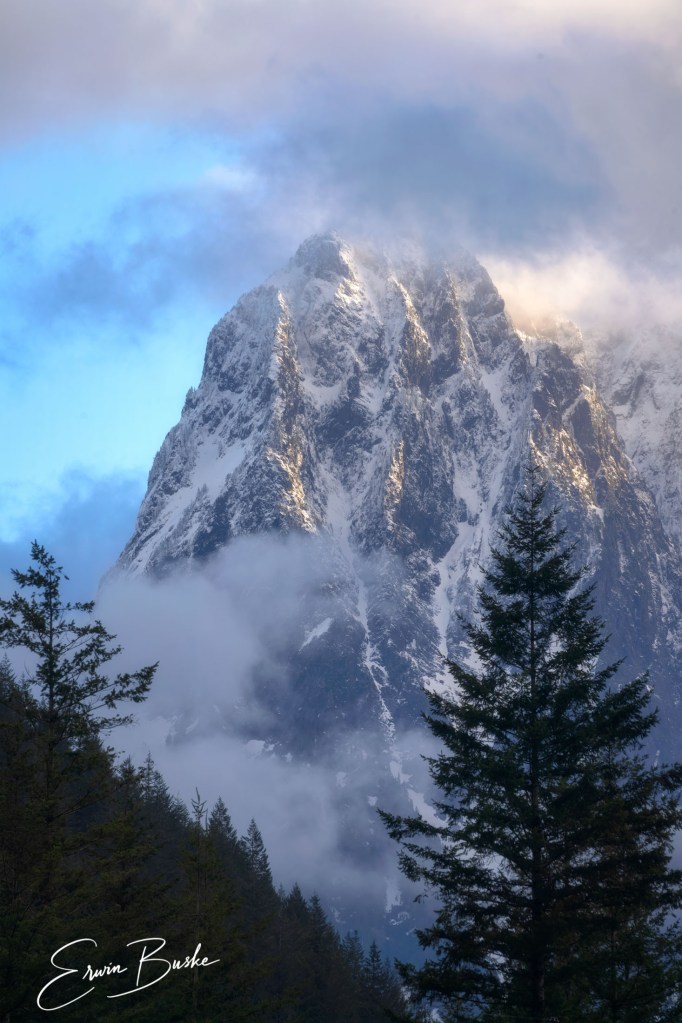
My approach is more flexible depending upon the image and what needs to be communicated. If the image is my equivalent of a flash of perception, I may opt for no words. But there are times words are absolutely necessary. If I am using an image to provide background on an environmental threat to landscape I will need to use words. If I am using a image to inform people of actions they need to take to protect a threatened environment, I will need to use words. If my intention is to establish a metaphorical connection between objects in the image and a idea, I will also need to use words. If I feel the sequence of events leading up to taking an image are a part of a personal story that would entertain others, I will let the drama unfold in a short story. But if I am using an image to express my connection to the wonders and mystery of nature, I may opt to use no words. Or I may use more evocative and poetic language that like “a Finger Pointing at the Moon” helps the viewer to connect, participate in, and live for themselves my personal vision. The use of evocative language coupled with the image ultimately creates visual poetry and for me this is my preferred approach to writing a narrative.

Copyright 2022 Erwin Buske Photography
References and Additional Reading
(1) Andy Karr and Michael Wood, The Practice of Contemplative Photography, Seeing the World with Fresh Eyes, 2011
(2) Helmut Mohelsky, Seeing with Your Own Eyes, 2019
(3) Erin Babnik, How Landscape Photographs Tell Stories , 2015
(4) Erwin Buske, The Hidden Landscape, 2021
Thanks so much for reading and viewing the images of this blog post. I encourage you to share your reactions, thoughts, comments, impressions on this post here. If you think others would enjoy reading this post please also share it with your friends and communities. If you would like to see more content like this subscribe to the blog so you automatically receive future blog posts. To learn more upon my perspectives on nature be sure to check out my Ebook, the Hidden Landscape: The Inside Passage. This image rich book is 248 pages and provides insight how nature, mystery, the Tao, Zen, and the American Transcendentalism of Thoreau inform my photography and can provide sources for you own inspiration. Here is the link to the EBOOK along with a preview. https://payhip.com/b/FCI4z. Thanks again and happy trails!
 Erwin Buske Photography Blog