
This is the introduction to my now released ebook: The Hidden Landscape. You can purchase the Ebook here at this embedded link. The paragraphs that follow provide an overview of the book including a lead-in to each of the five chapters. Thanks for looking!
Nature and the Landscape like to play hide and seek. We see a beautiful landscape and yet we do not see all of it. Part of this is nature performing some of its magic tricks: fog rolling through the valley, deep shadows forming in areas out of reach of the everchanging light. But another part of this is that our own perception puts a veil over the landscape. We see only what we want to see. This type of seeing is largely conceptual and a product of our conditioning. We see what we and others have taught our selves are important elements of the landscape. As we gradually develop a closer connection to nature and the landscape, some of these conceptual filters begin dissolve. This is a transformative experience and sets in motion a more intuitive and immediate awareness of the landscape that also is connected to what we are feeling inside. We see through some of the veil and notice more and more of nature. This transformative experience, however, does not diminish the mysteries of nature. As we progress, we also recognize more and more of nature’s illusive qualities. In the words of Thoreau, “One can never get enough of mystery”. We also learn through the art and craft of image creation to include more and more of the often magical and illusory qualities of mysterious nature in our images. Ultimately nature and the photographer dwell in this land of mystery: The Hidden Landscape
.
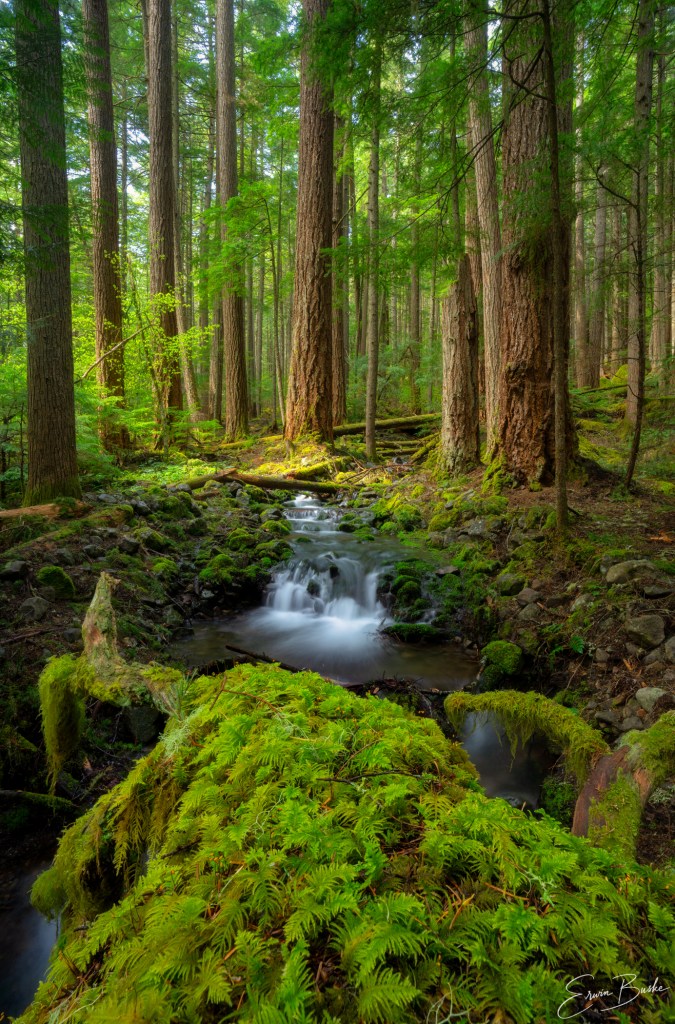
This book is part one of a series of now integrated blog post essays. In integrating these essays into a cohesive whole, I have made some revisions to the original posts, and also provided transitions from one essay to another so that the reader can better appreciate the book in its entirety. The posts are not necessarily presented in any kind of chronological order, but in an order where the reader can better appreciate the integration of my thought. Blog post essays are not the same thing as traditional essays. Most blog posts show much better than a traditional essay the evolution of the writers thought process. Although for each of my blog posts I had an outline and idea of where I was going, I found it necessary in every case to follow new trails, to follow the mystery around the next bend which had previously not been in my view. This changed my original thought process. Going down these rabbit trails, however, is part of the beauty of blogging. Blogging demands a higher degree of authenticity, transparency, and honesty than has been traditionally the case with traditional essays that are written in more of an objective manner. In a blog post people want to see into our soul. This is perfect for us nature and landscape photographers. There is a marriage between our internal and external landscape. But this marriage does not happen all at once. It is a gradual process that perhaps is never actually fully consummated. At every step along the way those who we connect with notice in our images more and more of the soul of the landscape which is also who we are as a person.
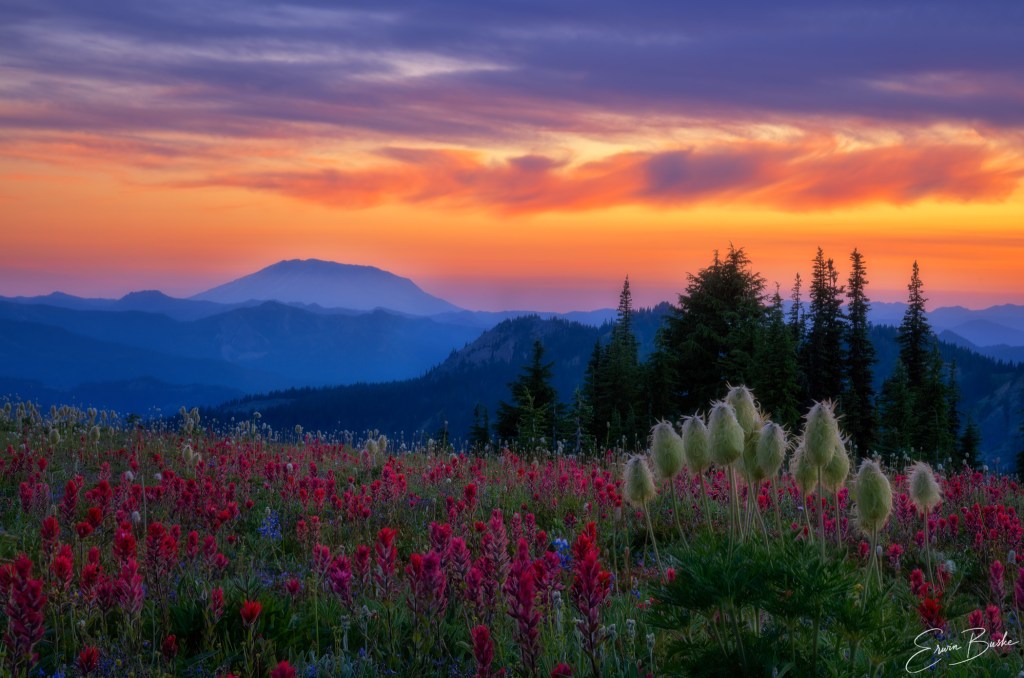
There is nothing more fundamental to the success of a landscape image than how well the image communicates the mystery of nature. It therefore seems fitting I would call the first chapter of this book— “Mystery: The Holly Grail of Nature Photography”. Mystery is presented as the force behind what causes us to feel awe and wonder in our close encounters with nature. This force is also the very ground of our being as we live in nature and nature in us. The mystery of nature has inspired poets, artists, and song writers from the beginning of recorded time. But the mystery of nature often moves in ways that go beyond our common understanding of nature. Much of our conventional understanding of mystery starts with the notion that if we could just find out more about the mystery, more information and more clues, we will eventually solve the mystery. But the mystery of nature ultimately cannot be solved. Like poets who use evocative language and images to take us in the direction of where the mystery points without actually solving or explaining the mystery itself, we as photographers must do something similar. A successful photographic image provides a frame or container that holds some of the tension, wonder and beauty of mysterious nature. This in turn helps others participate in our experience of the mystery of nature.
In Mystery, I discuss some steps we can take as photographers to bring to our images and the viewer the sense of mystery we felt during our experience of the scene. Here are some of the elements of mystery that I will discuss including practical steps we can take as photographers to include these elements in our images.
- Wonder
- Imagination
- Shadow and Light
- Atmosphere
- Motion and Blur
- Bokeh
- Subtraction
- Seasonal Transitions
- Use of Metaphors
- Transcendence
Taking steps to include these elements will help lead the viewer closer to the mystery of nature, in other words evoke moods and emotions that we felt in nature’s presence. But the results of taking these steps should not be equated with an exact visual representation of the mystery. After all, if that were the case, then the image would no longer be a mystery! Think of these steps as a tool set from which we can select to help lead the viewer to a greater appreciation of the wonders and mystery of nature.

Although an appreciation for the mysteries of nature may have sparked the flames that help motivate us to grow as photographers, there are several factors that can move us further and further from our inspirational roots. These include the learning process itself, the drive for social media popularity, and for some the preoccupation with establishing a successful photography business. In chapter two of this book, I look at various sources of inspiration that can help rekindle some of those earlier flames. Although the path begins with external sources of inspiration, the progression is toward more internal sources of inspiration.

Some of the sources of inspiration I will explore include:
- Visiting Iconic Places
- Published Images
- Other Photographers
- Going off the Beaten Path
- Alternative Perspectives
- Going to New Places
- Beauty in Familiar and Ordinary Places
- Taking a Break from Photography
- Keeping a Journal
- Internal Sources of Inspiration
In Chapters three through five, I turn my attention to three of the world’s wisdom traditions and what they have to offer for insight into both reconnecting to the mysteries of nature and unlocking our creative potential. These wisdom traditions are Taoism, Zen, and American Transcendentalism. All three of these traditions take us on a more inward journey, call this the Inside Passage, toward self-discovery. This journey, however, uncovers a self that is much different than most of us think of self. This is an expanded sense of self where we participate in the mysteries of nature. Nature is in us and we in Nature. This does not mean we do not have individual identities, but we are also not isolated egos encased in a bag of skin. We can ultimately only know ourselves in a close connection with nature, the world in which we live. This return to a close connection with nature, also known as the beginner’s mind, free from preconceived notions about nature, is also what provides the creative energy for our photography.

In Chapter three I introduce the Ancient Chinese tradition of the Tao, also known as the way of nature. The Tao of Landscape Photography is about the recovery and the illumination of the path to creativity. I say recovery because the way of the Tao is also a recognition that the path was always there. Along our long way we have acquired various forms of learning and knowledge that have helped us grow not only as individuals, but also as landscape and nature photographers. But this learning and knowledge has also helped to restrict our awareness of nature. The Tao of Landscape Photography is about rekindling some spontaneity that brings back a more child-like sense of wonder and unrestricted awareness. This leads to a new awakening as we move away from well-known formulas and instead experience and photograph the natural landscape with the eyes of a child.
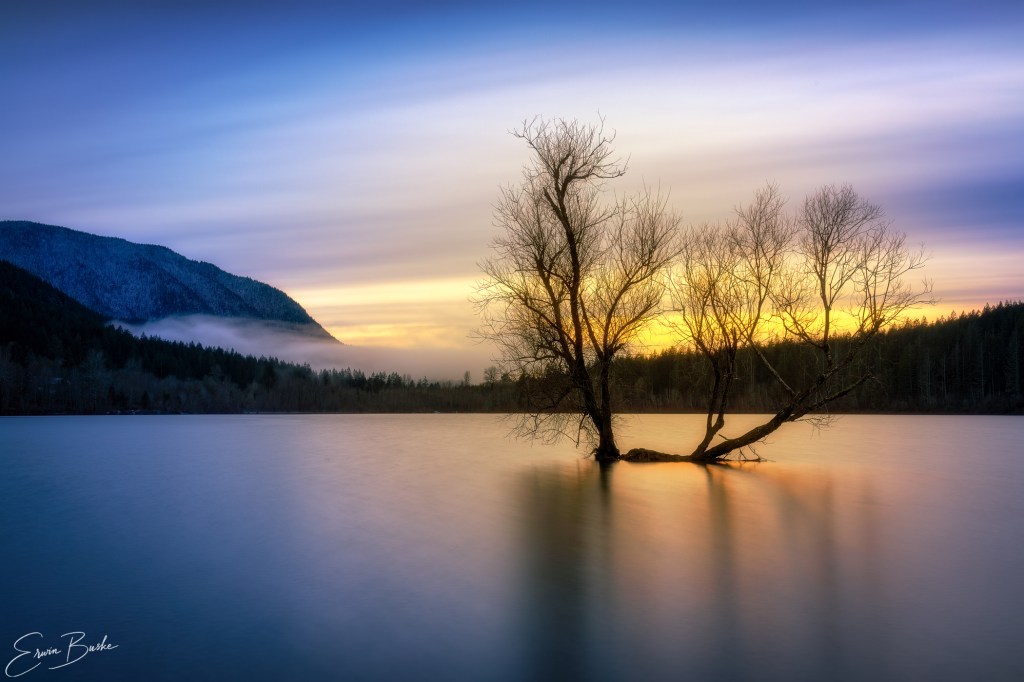
In the Tao of Landscape Photography I will discuss more in depth what is the Tao and introduce two key source texts, The Tao Te Ching and Chuang Zu. I will then use direct passages from these source texts translated into English to explore several Taoist ideas and how they relate to Landscape and Nature Photography in our own time. The ideas I will discuss include the following:
- Return to Nature
- Negative Space
- Yin and Yang
- Flow “Wu Wei”
- The Simple Life is the Best Life
- Perception: Is this Life a Dream?
- Reality is a Seamless Whole
- Self-Understanding
There is much debate withing the landscape and nature photography community about the need for realism in photography. The thought of many is that the photographer needs to maintain a close connection in his or her images to the scene as it actually existed at the time of capture. But is what we experience in the natural world truly nature just as it is? Or is what we experience more a product of our habitual way of seeing the world, closely aligned to our learned conceptual thought processes and how we label experience? The adventure of Zen challenges the notion that what we experience in the field is nature just as it is and offers a set of practices that help us move away from our habitual way of experiencing the world, opening the door to flashes of creative perception that can bring a breath of fresh air to our photography.

Chapter Four of this book is: The Way of Zen, Love of Nature and Photography. In this chapter I will start out with a discussion of What is Zen and the ultimate futility of defining something that can only be experienced. We will then discuss Zen as a creative synthesis of Buddhism and Taoism. This is important because many of the modern-day misunderstandings of Zen are attributable to a lack of appreciation of how Zen draws upon both of these ancient traditions especially its Taoist roots. We will then explore Zen’s unique connection to nature and how the love of nature itself is part of the full Zen experience. It is this love of nature that for many of us photographers helped establish our “Way of Zen” even if we do not label our experience as Zen. Next, we will discuss Zen and Creativity and how dialoguing with our unconscious self helps fuel the creative process.
Although Zen focuses upon primordial awakening and sudden enlightenment, Zen has always been associated with practices that help tame the discursive mind that stands between us and our own true nature. So in the last part of this chapter on Zen we will focus on practices, especially those appropriate to nature and landscape photography, that will help us on our way with the adventure and experience of Zen. The practices that I will discuss include the following;
- Daily Walks in Nature
- Journaling
- Meditation
- Mindfulness
- The Process of Photography Itself
- Mentorship
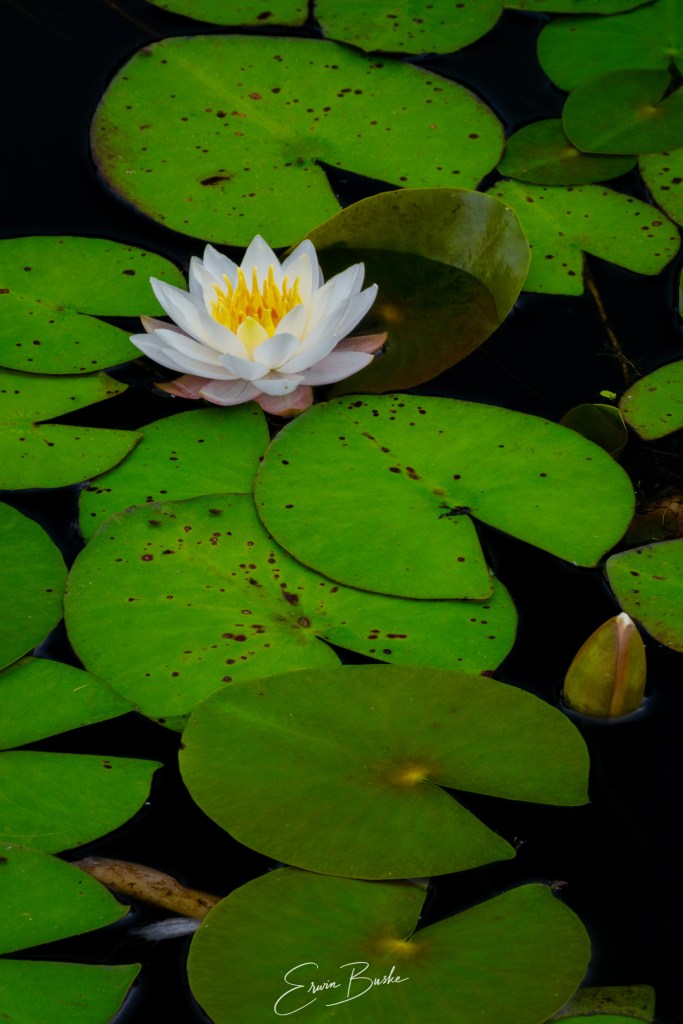
In Chapter Five we move forward a couple of thousand years to Thoreau and American Transcendentalism. Although Thoreau dabbled in the philosophies and spiritual practices of the east, he had only had cursory knowledge of Zen and likely little or no knowledge of Taoism. But Thoreau finds in the direct and immediate experience of nature a path for self-knowledge, spiritual awakening, and creative growth that closely resembles the “Way” in Taoism and “Enlightenment” in Zen. That Thoreau had only limited knowledge of these eastern traditions to me is actually a good thing. It shows that all three of these wisdom traditions are part of what is known as the perennial philosophy. Not bound by history or a cultural tradition, the perennial philosophy keeps coming back, taking on new outward forms and symbols but pointing to timeless and enduring truths.
This Zen adventure is not unlike the adventure that Thoreau took in his two-year experiment of living in the forest at the shores of Walden Pond. It was only here, in close contact with Nature, did the grip of his preconceived notions surrounding the natural world begin to evaporate as he experienced the natural world in a much more immediate and intuitive way. Thoreau did not transcend the natural world of wonder and beauty at Walden Pond. This was not a journey into some kind of transcendental reality beyond the natural world. Thoreau transcended his perception of himself as something separate from nature, a perception that was largely a function of his societal upbringing and his own conceptual thought. In transcending this false identity, he embraced his true identity with nature. Thoreau lived in nature and nature in Thoreau at Walden Pond.
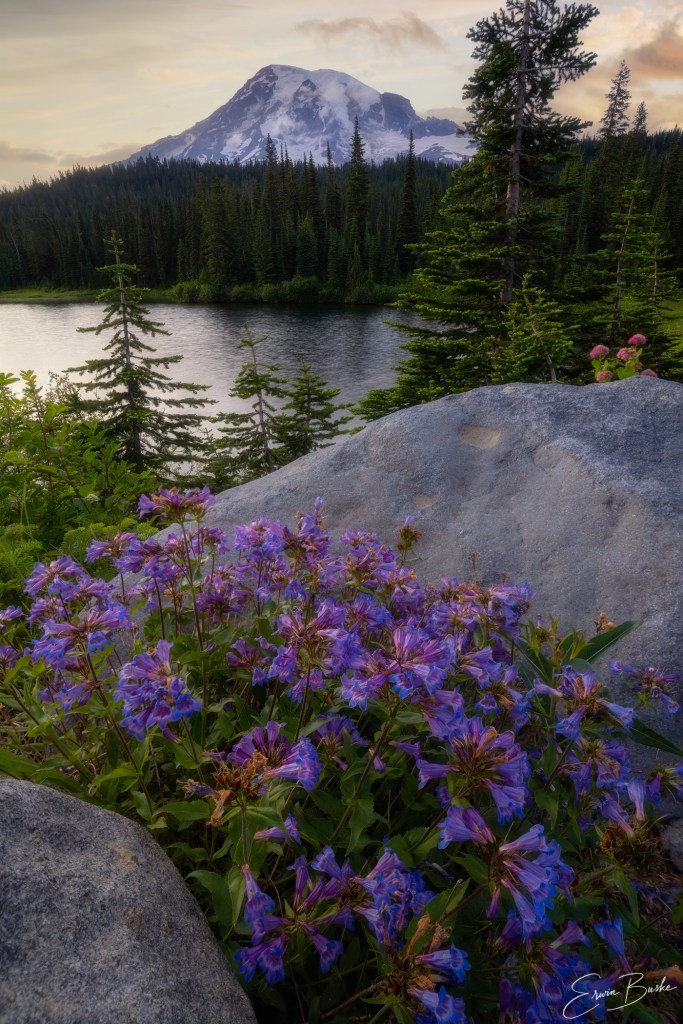
Although Thoreau’s home at Walden Pond is physical place close to Concord Massachusetts, it is also very apparent that Walden Pond is a symbol for Thoreau’s spiritual journey of self-discovery. We will find our own internalized Walden Pond not in Concord Massachusetts, but close to our own home in the here and now where ever we are. After reading Walden several times I came up with 12 of my takeaways that have helped me on my journey to my own Walden Pond. These takeaways are also directly related to my progression as a nature and landscape photographer. It is my hope that these takeaways will also shed some light for your personal journey to your own Walden Pond.
The Takeaways I will discuss in this chapter include the following.
- Access to Nature is our Birthright
- What we Need is a Breath of Fresh Air
- Voluntary Simplicity
- Daily Practice
- Follow the Beat of Your Own Drummer
- Solitude
- Inward Journey
- Be Here Now
- Waking Up
- Follow Your Dreams
- Stay Grounded
- Rebirth
 Erwin Buske Photography Blog
You see through enlightened eyes and capture images with emotion. Your love of nature is at once evident and intense. Truly beautiful.
LikeLiked by 2 people
Thanks so much Kristi! It is my close connection to nature to brought me to photography, and it means a lot to me that you sense this connection and associated emotions in my images!
LikeLike
I love the spiritual connection you have with nature…it shows in your photos
LikeLiked by 2 people
Thanks so much cyndee1963, it means a lot to me that you would say this, greatly appreciated!
LikeLike
The deep thinking, spiritual, and keenly aware person you are is reflected in your photography. I look forward to your e book.
LikeLiked by 2 people
Thanks so much April-hopefully I can get this together during this lifetime!
LikeLike
Big fan of your photography, it was one of the inspirations for me to buy a camera myself. I love the connection you bring between the outer landscape and the inner beauty and how photography can be linked to your inner journey. Will wait to read more.
LikeLiked by 2 people
Thanks so much Jayadev. It is comments like yours that help inspire me to share my message of self discovery and creative growth through a close connection to nature. I greatly appreciate this!
LikeLiked by 1 person
FYI, my eBook, The Hidden Landscape: The Inside Passage, is now published. Thanks! https://payhip.com/b/FCI4z
LikeLike
Loving this Erwin😊 great work🙏🙏
LikeLiked by 2 people
Thanks so much Ty- your recent work looks awesome-especially your wildlife photography!
LikeLike
Your work evokes such a beautiful feeling of the calm and peace in nature. Thank you for sharing your incredible photos.
LikeLiked by 1 person
Thanks Amy, I am glad I am able to bring to you some of the calm and peace of nature through my images!
LikeLike
I’m looking forward to buying and reading the final version! I’m quite impressed with what I’ve read in this preview. It also helps me to understand you better and your energy and presence in what you see and capture in your images. I will become a better photographer after reading your book!
Namaste!
LikeLiked by 1 person
Thanks so much peteartheart! I am happy that you enjoyed the introduction. I am currently going through the final integration process of creating the book and hope to publish soon!
LikeLike
FYI, my eBook, the Hidden Landscape is now published. Thanks! https://payhip.com/b/FCI4z
LikeLike
Just discovered your work and words. YES!
LikeLiked by 1 person
Thanks Nirvan-I am glad you discovered the blog! Take a look around-there is a variety of interesting posts here!
LikeLiked by 1 person
Loved this. You have always been my biggest inspiration since I started following your work years back.
Love your work and the way you feel & describe about mother nature.
Looking forward to read more 🙂
LikeLiked by 1 person
Thanks so much Shaoni Paul! I remember some of our early exchanges of message about seven years or so ago! It has been wonderful to see your progression as a photographer and showing us the beauty in places I do not often see photographed.
LikeLike